Is Glucose a Polymer| Basics and Industrial Applications
Is glucose a polymer? What is a polymer and how it affects glucose? Everything is explained in this article.
Introduction:
Before we answer the question, let's go through some basics first then we will proceed to answer the question is glucose a polymer or not.
What is Glucose?
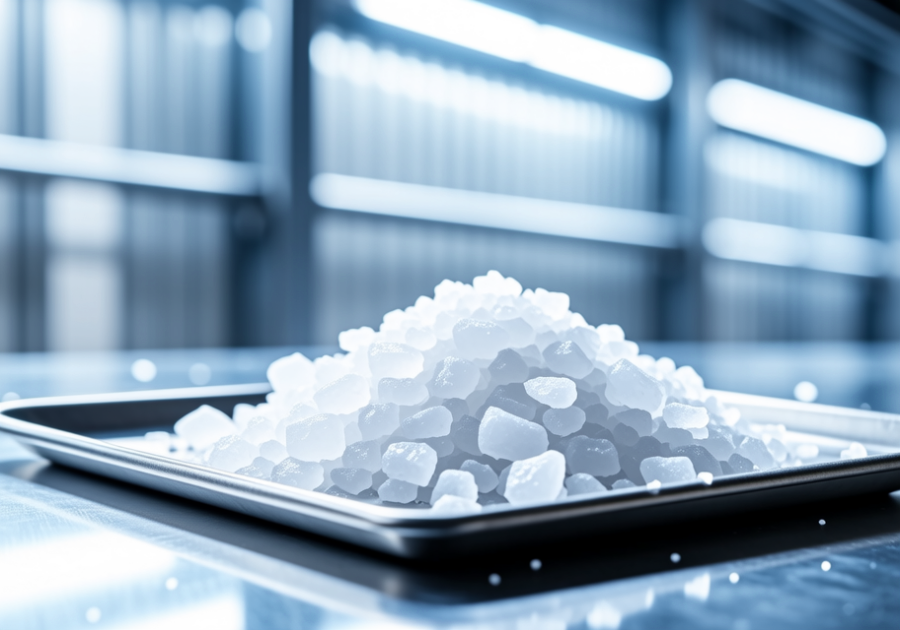
The chemical formula for glucose is C6H12O6. Glucose is the most prevalent monosaccharide, a kind of carbohydrate. Glucose is primarily produced by plants and most algae during photosynthesis from water and carbon dioxide with the help of sunshine, where it is utilized to produce cellulose in cell walls, the world's most abundant carbohydrate.
Andreas Marggraf, a German scientist, extracted glucose from raisins for the first time in 1747. In 1792, another German scientist, Johann Tobias Lowitz, found glucose in grapes and separated it from cane sugar and created the name glucose in 1838, and it has since become common in the chemical literature. Glucose solids are white or colorless and readily soluble in water and acetic acid, but not in methanol or ethanol. They melt at 146 °C and 150 °C, then break down at 188 °C with the production of different volatile compounds, eventually leaving a carbon residue. At 25 °C, glucose has a pK value of 12.16.
What is a Polymer?
A polymer is a substance composed of very big molecules termed macromolecules, which are made up of numerous repeating subunits. Because of their diverse range of properties both synthetic and natural polymers serve critical and pervasive roles in daily life. Polymers span from well-known synthetic plastics like polystyrene to natural biopolymers like DNA and proteins, which are essential to biological structure and function.
Polymers, both natural and manufactured, are formed by polymerizing a large number of tiny molecules known as monomers. Because of their huge molecular mass in comparison to small molecule compounds, they have distinctive physical features such as toughness, high elasticity, viscoelasticity, and a propensity to form amorphous and semicrystalline structures rather than crystals.
Is Glucose a Polymer?
The simple answer is: No. Glucose is a monosaccharide, which is a type of carbohydrate and is the most common source of energy for living organisms. Polymers, on the other hand, are large molecules as we explained above, and are composed of repeating subunits called monomers. Keep in mind that glucose can be used to form carbohydrates like starch and cellulose, glucose itself is not a polymer.
Glucose as a monosaccharide has many important uses in biological systems and industries. It serves as a critical substrate for various metabolic pathways along with acting as an agent for kicking off processes like glycolysis and the citric acid cycle. Also, it acts as a key component in the food business.
It is used as a sweetener in the form of glucose syrup or dextrose and significantly improves the flavor and sweetness of a variety of commodities. These include confectioneries, baked products, & common fizzy drinks. It is also sued in microbial fermentation processes and aids in the production of a variety of important products such as biofuels, enzymes, and organic acids.
Glucose as a monosaccharide also plays an important role in pharmaceutical formulations and contributes to the bulk stability of numerous drugs. It is also a building block in chemical synthesis and acts as a precursor in the production of medicines. Glucit is also very important in laboratory research because it provides a regulated and constant energy supply for cell cultures and experiments.
Conclusion:
This article attempted to answer the question of " Is glucose a polymer " and its basics as well. In conclusion, we can state that glucose is a monosaccharide and cannot be called a polymer but it can be a component in the formation of carbohydrate polymers like starch and cellulose. Glucose's multifaceted utility, from its role as a fundamental energy source and acting as a very significant agent for its applications in industries, medicine, and research, underscores its widespread importance and versatility in various facets of life. It remains one of the most important monosaccharides for human life.
Looking for chemical products? Let suppliers reach out to you!
You May Interested In


SS-31 Cosmetic peptides, discounted price improving cognitive impairment factory supply
$8E+1/UNIT FOB


2026-09-19
Trade Alert
Delivering the latest product trends and industry news straight to your inbox.
(We'll never share your email address with a third-party.)

Related News
-
Zoledronic Acid: Uses, Mechanism, and Side Effects
-
Acesulfame Potassium: Safety, Side Effects, and Food Uses
-
Understanding the Arsenate Symbol and Its Uses
-
Polysorbate 80: Food Additive, Medical Use, and Safety
-
Anastrozole Side Effects: What You Need to Know
-
Benzoylecgonine: Detection and Testing Methods
-
Why You Should Never Mix Bleach and Vinegar
-
What Color Should a Zinc-Copper Couple Be?
Recommend Reading
-
![This week, the caustic soda price remains stable (10.20-10.24)]()
This week, the caustic soda price remains stable (10.20-10.24)
-
![This Week's Slight Increase in the Styrene Market in China (10.20-10.24)]()
This Week's Slight Increase in the Styrene Market in China (10.20-10.24)
-
![Cost-Side Impact: Asphalt Market Shows Slight Recovery After Prolonged Decline]()
Cost-Side Impact: Asphalt Market Shows Slight Recovery After Prolonged Decline
-
![Pure Benzene Market Prices Fell First, Then Rose This Week (10.21–10.24)]()
Pure Benzene Market Prices Fell First, Then Rose This Week (10.21–10.24)
-
![This Week's PVC Market Stabilizes in China (10.20-24)]()
This Week's PVC Market Stabilizes in China (10.20-24)