What is the bronze powder price and what does it do?
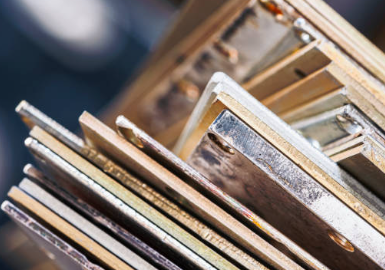
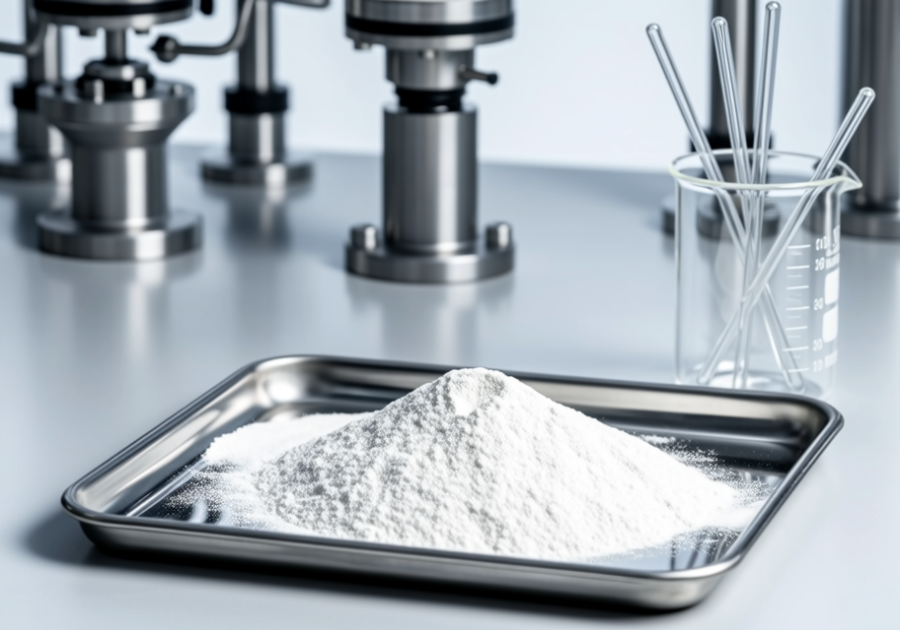
You've heard of copper, but what is bronze powder? Bronze powder, also known as bronze metal powder, is made from refined copper, various copper/zinc alloys and aluminum. The bronze powder price is reasonable, ranging from tens to thousands of yuan depending on the quality. They are used in printing plastics, wallpapers, textiles and other materials.
By varying the copper and zinc content in the alloy, bronze powder can be made into various shades of gold. Because of its flaky nature, no matter how fine it is, the particle structure remains flaky. This structure is maintained only by using the highest grade copper and zinc. Therefore, due to its design, bronze powder contains only trace amounts of lead and similar metals. It is made of copper, zinc and aluminum, which is non-toxic and will not harm the health.
History of bronze
The discovery of bronzer allowed people to create complex and durable metal products that were previously impossible to create. Building materials such as bronze tools, weapons, armor, and decorative tiles were more complex and durable than materials made of stone or copper. Originally, bronze was made from arsenic bronze produced from copper and arsenic, or from raw or artificial mixed ores of copper and arsenic, but the oldest known remains were made in the Iranian plateau in the 5th millennium BC.
Classification of bronze powder
Bronze powder price depends on its mesh and specific application. Bronze powder is divided into 200 mesh, 400 mesh, 600 mesh, 800 mesh, 1000 mesh, 1200 mesh and 1500 mesh according to different particle sizes. The larger the mesh number, the smaller the particle size, and the higher the surface coverage.
Application of bronze powder
Bronze powder for sale is used for printing wallpapers and screen printing to design paper, glass, cloth, leather, etc., hot stamping to transfer sheets into rolls for embossing and embossing, paint, etc. The main use of gold bronze powder pigment is in the printing industry. The direct benefit of gold bronze powder pigment is in the printing industry, used in gravure printing and letterpress printing. Gravure printing is widely used in plastics, paintings, luxury packaging, cigarette shells, security printing, etc. due to its bright metallic luster, contrast with the subject, and dramatic effect.
200 mesh bronze powder is used for printing on gold fabrics. It is characterized by fast printing, light weight and strong metallic texture. 400 mesh bronze powder is also suitable for screen printing, wallpaper, paint, plastic mixing, etc. 600 mesh bronze powder is used for gold fabrics, screen printing, craft coatings, etc. 800 mesh bronze powder is used for printing fabrics, plastic spray paint, plastic, water-based and non-water-based wallpaper spotting. 1000 mesh bronze powder is used to make high brightness, spray glue coatings, wood materials, screen printing inks, and rubber letterpress printing inks. It is known for its excellent high brightness. 1200 mesh bronze powder is used for printing ink, paint, plastic, screen printing ink, etc. 1500 mesh bronze powder has excellent performance, bright gloss and good stability. Therefore, it can be used in the manufacture of canned offset inks. Generally speaking, the bronze powder price increases as the mesh quantity increases.
In conclusion
Bronze powder can prevent discoloration after painting and is used for printing on plastics, wallpapers, textiles and other materials. When people don't have enough budget to use natural gold foil, but want to create a golden texture, then bronze powder price is reasonable and it is a very versatile material. It can be mixed with other media such as paint, or painted in the various concentrations mentioned above. Even those who have the ability to use gold leaf sometimes use bronze powder as gold leaf. It's easy to control and can give a flatter, more consistent impression than gold foil. It's the perfect solution when you need even results.
Looking for chemical products? Let suppliers reach out to you!
You May Interested In


Glow70/KLOW80 99% China Peptides Warehouse Direct Delivery Lyophilized Powder in Stock
$1.8E+2/UNIT FOB


2026-08-31
Trade Alert
Delivering the latest product trends and industry news straight to your inbox.
(We'll never share your email address with a third-party.)

Related News
-
Benzoylecgonine: Detection and Testing Methods
-
Why You Should Never Mix Bleach and Vinegar
-
Anastrozole Side Effects: What You Need to Know
-
Methane Lewis Structure Explained: Step-by-Step Guide
-
Clostebol Uses & Safety: What You Should Know
-
Viprostol Usage & Precautions: What You Need to Know
-
How to Get Rid of Sulfur Burps Fast: Natural Remedies That Work
-
Zoledronic Acid: Uses, Mechanism, and Side Effects
-
Understanding the Arsenate Symbol and Its Uses
-
Sulfur Dioxide Properties & Uses: Industrial, Preservative & Safety Guide
Recommend Reading
-
Polysorbate 80: Food Additive, Medical Use, and Safety
-
![Acesulfame Potassium: Safety, Side Effects, and Food Uses]()
Acesulfame Potassium: Safety, Side Effects, and Food Uses
-
![Caffeine Structure & Effects: What You Should Know]()
Caffeine Structure & Effects: What You Should Know
-
![What Color Should a Zinc-Copper Couple Be?]()
What Color Should a Zinc-Copper Couple Be?
-
![In November, China's soda ash market showed a strong upward trend]()
In November, China's soda ash market showed a strong upward trend
-
![Business Society Lithium Carbonate Daily Review: Fluctuating Performance on August 6, 2026]()
Business Society Lithium Carbonate Daily Review: Fluctuating Performance on August 6, 2026
-
![Business Society’s Market Outlook for MIBK on August 13, 2026: Volatile and Tending to Weaken]()
Business Society’s Market Outlook for MIBK on August 13, 2026: Volatile and Tending to Weaken
-
![Lithium carbonate fundamentals strengthen, why does the price keep falling in China]()
Lithium carbonate fundamentals strengthen, why does the price keep falling in China
-
![Calcium Sulfate: Properties, Uses, and Applications]()
Calcium Sulfate: Properties, Uses, and Applications