What You Need to Know About Dimethyl Terephthalate (DMT): Uses, Synthesis, and Safety
Dimethyl terephthalate (DMT) is a crucial compound in the industrial world, playing a significant role in the production of plastics and polyester. If you're curious about what DMT is, how it's synthesized, and its various applications, this guide will provide you with all the essential information.
What Exactly Is Dimethyl Terephthalate?
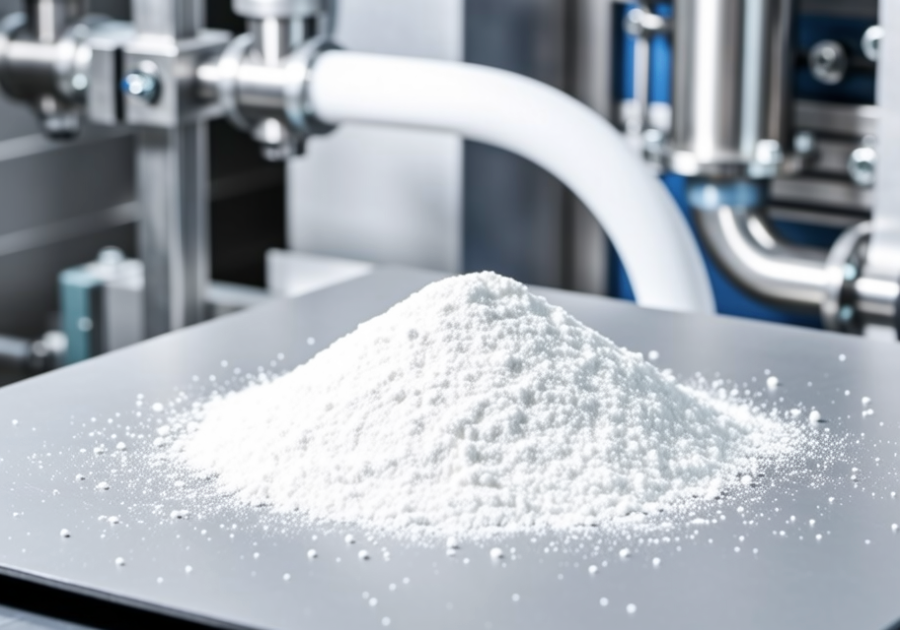
Dimethyl terephthalate is an organic compound with the chemical formula C₁₀H₁₀O₄. It is a white, crystalline solid that belongs to the ester family. Derived from terephthalic acid and methanol, DMT is primarily used in the production of polyethylene terephthalate (PET), a versatile plastic found in many consumer products. Its purity and efficiency make it indispensable for modern manufacturing processes.
Understanding the Chemical Structure of DMT
The chemical structure of dimethyl terephthalate includes a benzene ring with two ester groups attached. This symmetrical molecule is formed through the reaction between terephthalic acid and methanol, creating a stable and reliable compound suitable for various industrial applications.
Key Properties of DMT
Several properties make DMT particularly valuable:
- Melting Point: Around 140°C, making it stable under different conditions.
- Solubility: Soluble in organic solvents like methanol and acetone, facilitating processing and synthesis.
- Stability: Known for its chemical stability, ensuring consistency and reliability in manufacturing.
How Is DMT Synthesized?
The synthesis process involves several steps:
- Esterification: Terephthalic acid reacts with methanol in the presence of a catalyst to form DMT and water as a byproduct.
- Purification: The resulting DMT undergoes distillation and crystallization to remove impurities, ensuring high quality and consistency. Once purified, DMT is ready for use in various applications, especially in PET plastic production.
Applications of DMT
DMT serves as a building block for numerous products across multiple industries:
- Polyethylene Terephthalate (PET): Used in beverage bottles, food containers, and synthetic fibers due to its durability and clarity.
- Engineering Resins: Essential for automotive parts, electronics, and construction materials, benefiting from DMT’s stability and purity.
- Film and Coating Applications: Produces thin, durable films for packaging and electrical insulation, enhancing surface protection and wear resistance.
Advantages of Using DMT
The advantages of using dimethyl terephthalate include:
- Efficiency: Provides a streamlined pathway to produce high-quality polyester and plastics with minimal waste.
- Versatility: Its wide range of applications highlights its adaptability as a raw material.
- Consistency: Ensures consistent performance in manufacturing processes, leading to reliable end products
Looking for chemical products? Let suppliers reach out to you!
You May Interested In


Glow70/KLOW80 99% China Peptides Warehouse Direct Delivery Lyophilized Powder in Stock
$169/UNIT FOB


2026-10-25
Trade Alert
Delivering the latest product trends and industry news straight to your inbox.
(We'll never share your email address with a third-party.)

Related News
Recommend Reading
-
![This Week's Polymeric MDI Market Weakens and Declines in China (10.19-10.23)]()
This Week's Polymeric MDI Market Weakens and Declines in China (10.19-10.23)
-
![This Week China's Titanium Dioxide Market Stabilizes (10.19-10.23)]()
This Week China's Titanium Dioxide Market Stabilizes (10.19-10.23)
-
![DMF Market Negotiation Focus Shifts Higher]()
DMF Market Negotiation Focus Shifts Higher
-
![Cost-Driven March Sees Roller-Coaster Market for Polyester Bottle Flakes]()
Cost-Driven March Sees Roller-Coaster Market for Polyester Bottle Flakes
-
![关于将二氟乙咪酯等16种物质列入《非药用类麻醉药品和精神药品目录》的公告 Announcement on the Inclusion of 16 Substances including Difluoroetomidate in the Catalogue of Non-Medicinal Narcotic Drugs and Psychotropic Substances]()
关于将二氟乙咪酯等16种物质列入《非药用类麻醉药品和精神药品目录》的公告 Announcement on the Inclusion of 16 Substances including Difluoroetomidate in the Catalogue of Non-Medicinal Narcotic Drugs and Psychotropic Substances