How To Know What Is The Chemical Name Of The Compound Cu2Co3
If you have ever noticed a weathered copper roof turning green, you have already seen Copper(I) Carbonate in action. This compound, with the formula Cu₂CO₃, consists of cuprous (Cu⁺) ions paired with carbonate (CO₃²⁻) ions. It can occur naturally in rare mineral forms, but is most often prepared in industrial settings where its properties can be precisely controlled.
How Copper(I) Carbonate Forms
In nature, the compound appears when copper metal reacts slowly with moisture and carbon dioxide in the atmosphere. Over years, this reaction creates a green or bluish film called a patina, common on statues, roofing, and coins. The patina often contains both basic copper carbonate and hydrated variants, giving it subtle variations in shade.
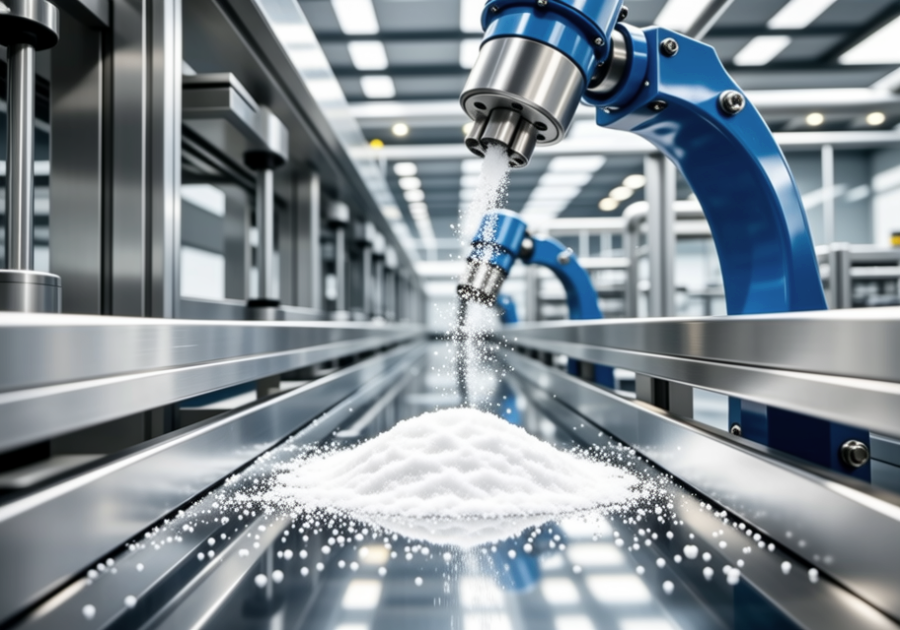
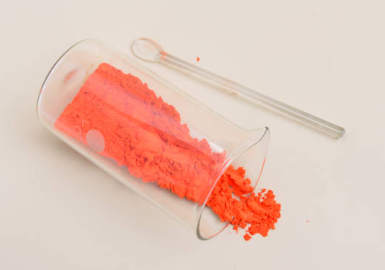
Industrial production usually relies on a double decomposition process between cuprous chloride and sodium carbonate. This method yields a fine powder, which may appear yellowish or green depending on hydration level, particle size, and trace impurities.
Properties of Copper(I) Carbonate
Copper(I) Carbonate is stable under normal dry-air conditions but will decompose when heated or when the partial pressure of carbon dioxide drops below about 0.11 atm. The breakdown produces copper(II) oxide (CuO), a black solid, and carbon dioxide gas. It is insoluble in water and most organic solvents, but reacts readily with dilute acids.
The solid is an odorless powder with a density of around 3.85 g/cm³. While chemically stable, it should be handled with care, especially in powdered form, to avoid inhalation or prolonged skin contact.
Key Data Table
| Property | Details |
|---|---|
| Chemical Formula | Cu₂CO₃ |
| Common Name | Copper(I) Carbonate |
| Molar Mass | 187.09 g/mol |
| Appearance | Yellowish to green powder |
| Solubility | Insoluble in water; reacts with acids |
| Density | ~3.85 g/cm³ |
| Decomposition Products | CuO (Copper(II) Oxide) and CO₂ |
Uses of Copper(I) Carbonate
Thanks to its combination of stability and distinct color, Copper(I) Carbonate finds use in multiple industries:
- Agriculture: Acts as a fungicide and algaecide to protect crops and water systems.
- Pigments: Contributes to green and blue tones in paints such as tempera, watercolors, and wall finishes.
- Ceramics & Glass: Added to glazes for unique colors after firing.
- Architecture: Used intentionally to produce or preserve green patinas on copper structures.
- Chemical Industry: Serves as a starting material for other copper compounds and as a catalyst in organic synthesis.
Safety and Handling
Although Copper(I) Carbonate is not highly toxic, safe handling is essential. The dust can irritate the respiratory system, and repeated skin contact should be avoided. The U.S. National Institute for Occupational Safety and Health (NIOSH) advises keeping workplace exposure to copper compounds as low as possible. Gloves, masks, and good ventilation are recommended during handling.
FAQ
What is the chemical name of Cu₂CO₃?
It is Copper(I) Carbonate, an inorganic salt of copper.
Can it occur naturally?
Yes, though it is rare. It is more commonly encountered as part of a patina on aged copper or bronze objects.
Is copper patina harmful to touch?
Brief contact is usually harmless, but washing your hands afterward is a good practice, especially if the material is in powder form.
Looking for chemical products? Let suppliers reach out to you!
You May Interested In


Trade Alert
Delivering the latest product trends and industry news straight to your inbox.
(We'll never share your email address with a third-party.)

Related News
-
Zoledronic Acid: Uses, Mechanism, and Side Effects
-
Acesulfame Potassium: Safety, Side Effects, and Food Uses
-
What Color Should a Zinc-Copper Couple Be?
-
Why You Should Never Mix Bleach and Vinegar
-
Benzoylecgonine: Detection and Testing Methods
-
Anastrozole Side Effects: What You Need to Know
-
Understanding the Arsenate Symbol and Its Uses
-
Polysorbate 80: Food Additive, Medical Use, and Safety