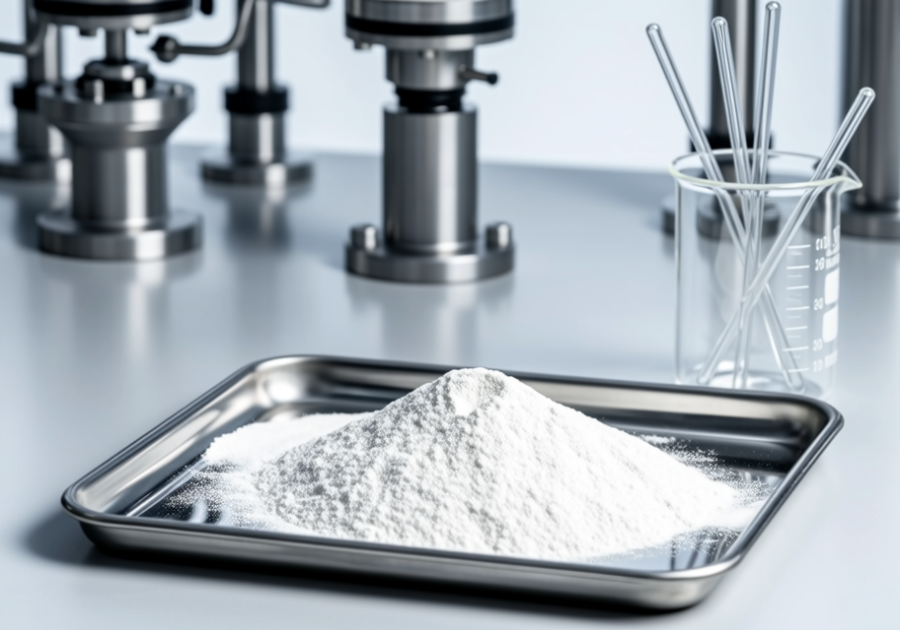
Salt Works So Well For Melting Snow? How Does Salt Make Snow Melt?
How does salt make snow melt? When it's cold outside, and snow is on the ground, people might wonder how salt can help melt snow in the wintertime. Salt works so well because it has a high concentration of chloride ions. These ions can break down the ice on top of the snow or frosting. The water molecules below can start to evaporate when this happens, melting the snow underneath.
Salt is a common household item that many people use to melt snow. Salt works so well for this purpose because it has a high concentration of chloride ions. These ions are what causes water to evaporate. When salt is added to snow, the chloride ions combine with the water molecules in the snow to create Hydrogen peroxide. This gas is what causes the snow to melt. Salt has been known to work well for melting snow. It has a high concentration of sodium, but salt also has a chemical reaction with water that makes it melt ice much faster. The high concentration of sodium also helps speed up the melting process.
There are many ways to melt snow, but one that salt seems to be particularly effective at is called evaporation. Evaporation is the process of a substance changing from a liquid to a gas. When it comes to snow, when it's colder outside, and there's more moisture in the air, snow will freeze. But as the temperature gets warmer, the water starts to break down the ice into smaller and smaller pieces until there's nothing left but water vapor. Salt can help speed up this process by reacting with the water vapor and helping to create an ice-free surface. This means that salt can melt snow faster than other methods, but it also doesn't leave behind any nasty residues like chemicals might.
Salt has long been known to make snow melt more quickly, but why?
Salt has been known to make snow melt more quickly for centuries. Adding salt to snow before or after it falls can drastically speed up the melting process. In some cases, salt can even dissolve the snow's ice crystals and cause them to fall out of the snowflake in a rain of smaller droplets. This makes melting much faster and easier, resulting in less accumulation on sidewalks or streets. A study published in the Journal of Geophysical Research found that when salt is sprinkled on snow, it increases the evaporation rate by 30 percent. The researchers believe that this increase in evaporation is responsible for the snow melting faster.
How does salt work to melt the snow?
How does salt make snow melt? Salt is a common substance found on earth. It is made of two elements- sodium and chlorine. Sodium atoms are smaller than chlorine atoms, so when they come into contact, they create a reaction that melts the snow. The salt molecules are so small that they can get through the snow's surface layer and into belowground water. The molecules break down into hydrogen and chloride ions. These ions interact with water molecules and create heat. This heat melts the snow and makes it possible to clear roads with vast amounts of snow.
The science of how salt makes snow melt
Ever wondered how salt can make snow melt faster? In this article, we will explore the science behind how salt can speed up the process of snow melting. Salt is a soluble substance which means it can dissolve in water. When snow falls on elevated surfaces wet from rain or melted snow, the salt molecules attach themselves to the water molecules and create a film on top. This film is what insulates the snowpack from heat which prevents it from melting quickly. The more salt present, the more effective it prevents ice from forming and melting.
The benefits of using salt for snow melting
The use of salt to melt snow is an ancient practice that has been around for centuries. Salt helps to raise the melting point of water, which speeds up the melting process. The use of salt can also help reduce the amount of damage caused to sidewalks and roads when the snow melts. In addition, using salt can help reduce the amount of energy needed to melt snow. Salt is a common ingredient used for everything from de-icing roads to cleaning windows in many homes. But what many people don't know is that salt can also be used to melt snow. By adding salt to your driveway or sidewalk, you can speed up the melting process and prevent injuries from slipping and falling.
Conclusion
In conclusion, how does salt make snow melt? We can see that salt works well for melting snow that it makes the ice melt and turn into water. This process is accelerated by the salinity of the water and the cold temperatures. It is a cheap and easy way to clear the roadway, and it can even help reduce energy bills during winter. So next time you are faced with a snowy driveway, remember to add some salt! When it comes to keeping your home warm during those cold winter months, adding some salt might be the answer you're looking for!
Looking for chemical products? Let suppliers reach out to you!
You May Interested In


Glow70/KLOW80 99% China Peptides Warehouse Direct Delivery Lyophilized Powder in Stock
$169/UNIT FOB


2026-10-14
Trade Alert
Delivering the latest product trends and industry news straight to your inbox.
(We'll never share your email address with a third-party.)

Related News
Recommend Reading
-
![Business Society: Bisphenol A Market to Stabilize First, Then Strengthen in January 2026]()
Business Society: Bisphenol A Market to Stabilize First, Then Strengthen in January 2026
-
![January China Soda Ash Market Trend Fluctuates Downward]()
January China Soda Ash Market Trend Fluctuates Downward
-
![January Activated Carbon Prices Fluctuate and Rise in China]()
January Activated Carbon Prices Fluctuate and Rise in China
-
![Insufficient Downstream Demand, DMF Market Primarily Remains Stable]()
Insufficient Downstream Demand, DMF Market Primarily Remains Stable
-
![Multiple Positive Factors Support Butadiene Prices Rising Over 29% in January]()
Multiple Positive Factors Support Butadiene Prices Rising Over 29% in January