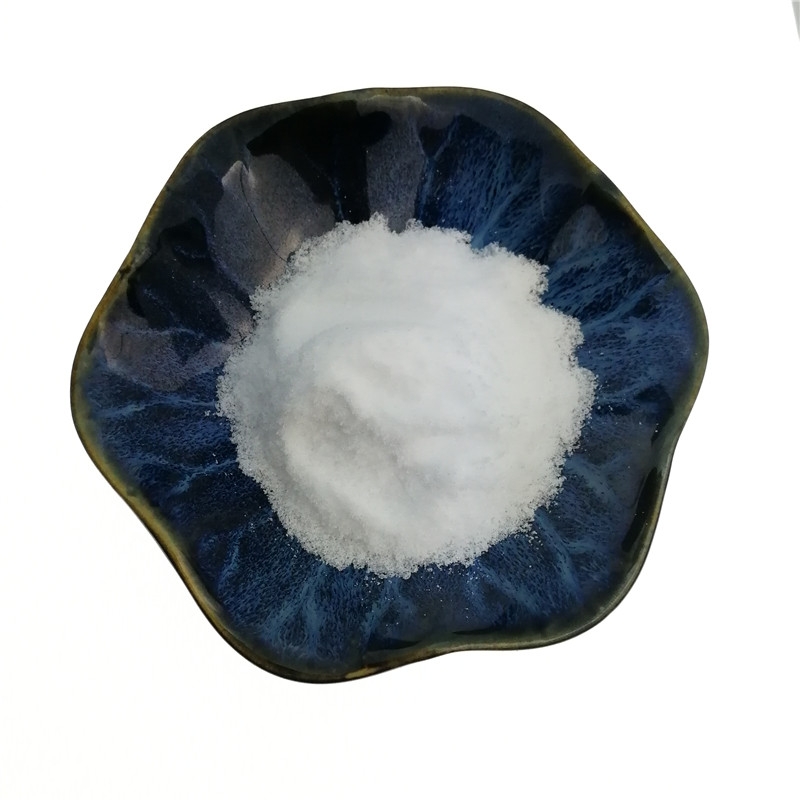
Research on rice protein at home and abroad mainly includes food additives to improve the physical and chemical function of food. As a natural thickening agent and foaming agent for washing products; High protein nutritional powder needed by special population; Bioactive peptides that fulfill specific functions; Active ingredients that promote body health; Protein feed for livestock and poultry production; Green edible film, etc.
1. Food additives: Food additives are additives that can improve food quality, color, aroma and taste. Appropriate molecular size and amino acid composition will give proteins certain physical and chemical properties, such as solubility, foaming, emulsification and so on. Under the hydrophobic, pliable and disordered structure, rice protein is more easily dissolved in water and concentrated at the gas-liquid interface, showing foaming emulsification.
2. Protein nutritional supplement Rice protein has become the preferred vegetable protein for nutritional supplement for special people because of its hypoallergenicity and high nutrition. Rice protein formula rice powder can target the sensitive diarrhea of infants; Non-gluten rice protein is more suitable for people with wheat intolerance, allergy or coeliac disease. Rice protein concentrate can better replenish the body's capacity when the normal protein intake is reduced or the digestive function is damaged. And can assist the treatment of peptic inflammation, trauma and so on.
3. Development of functional peptides Modern studies have shown that amino acid residues in small molecular peptides are more easily digested and absorbed by human body than free amino acids. Amino acids in the form of small peptides can not only avoid transport competition, but also reduce the high concentration of toxic and side effects of amino acids. The peptide transport system has low energy consumption and is not easy to be saturated, which makes the research of hydrolyzed protein products to obtain active peptides popular.
4. Rice protein powder, a byproduct of starch sugar prepared from protein feed rice, is an excellent feed raw material with high protein content, fast energy conversion, high digestibility, good palatability, good disease resistance, low antigenicity and balanced amino acids. Adding the concentrate of rice gluten to aquatic feed can not only improve the digestibility of fish, but also control its excretion, so as to keep the water quality clear and control water pollution. Rice protease hydrolysis can produce flavor peptides that can replace sodium glutamate (MSG), which can effectively cover the bitterness, enhance the viscosity of feed and improve the palatability of feed, and can chelate trace elements and minerals, which can improve the feed intake of animals while ensuring safety and harmfulness.