Product
Supplier
Encyclopedia
Inquiry
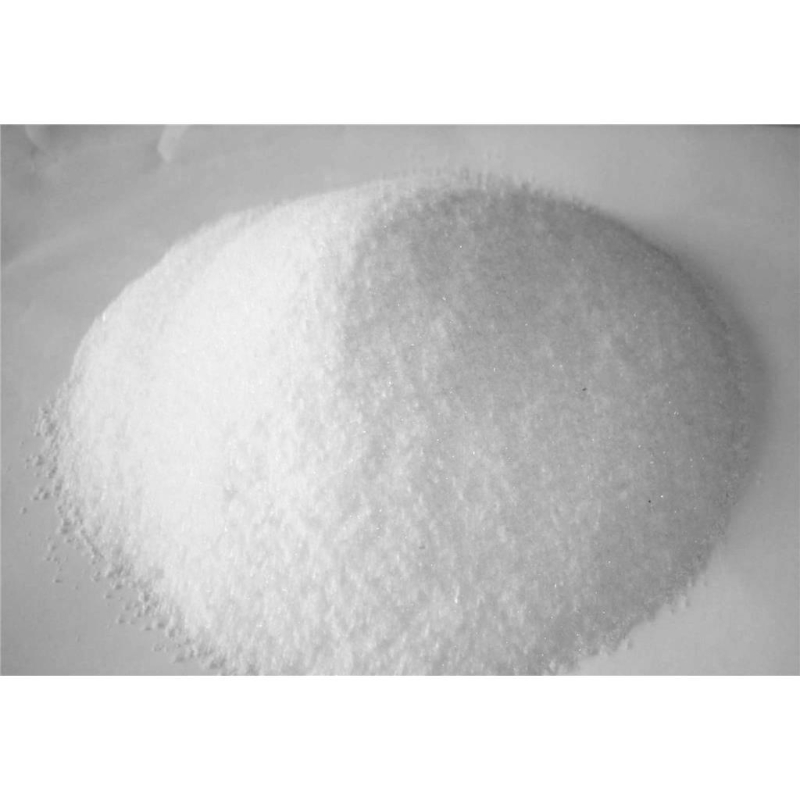
Vinyl acetate monomer VAM buy - large image1
Vinyl acetate monomer VAM buy - image1
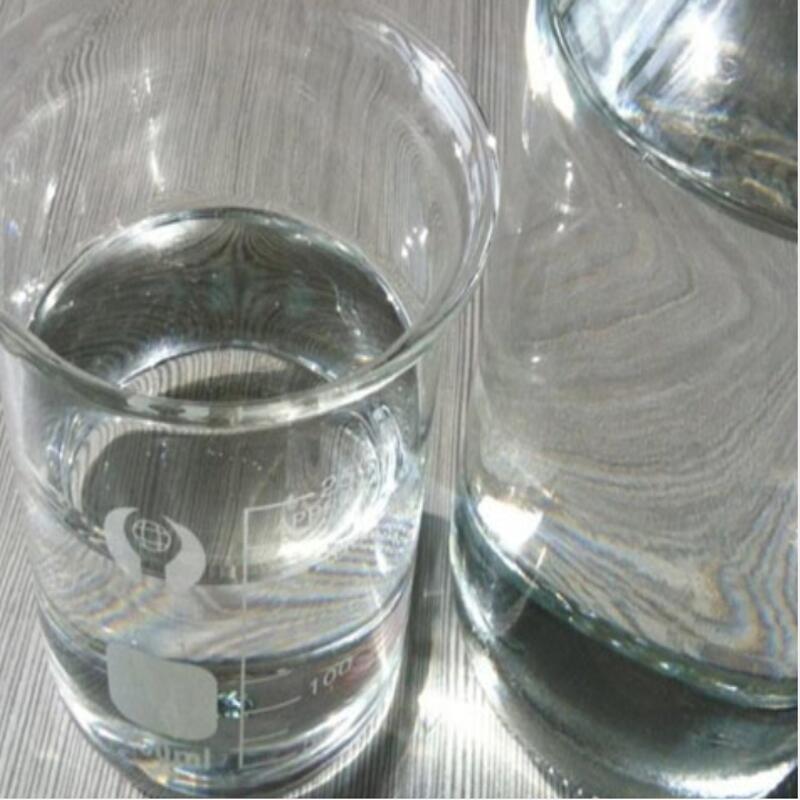
Vinyl acetate monomer VAM buy - image2
Vinyl acetate monomer VAM buy - image3

Vinyl acetate monomer VAM

TDS 42 Inquiries

Unit Price: Get Latest Price
CAS No.:

108-05-4

Grade:

Industrial Grade

Content:

99%

Port:

QINGDAO

Brand:

EAST CHEMSOURCES

Packaging:

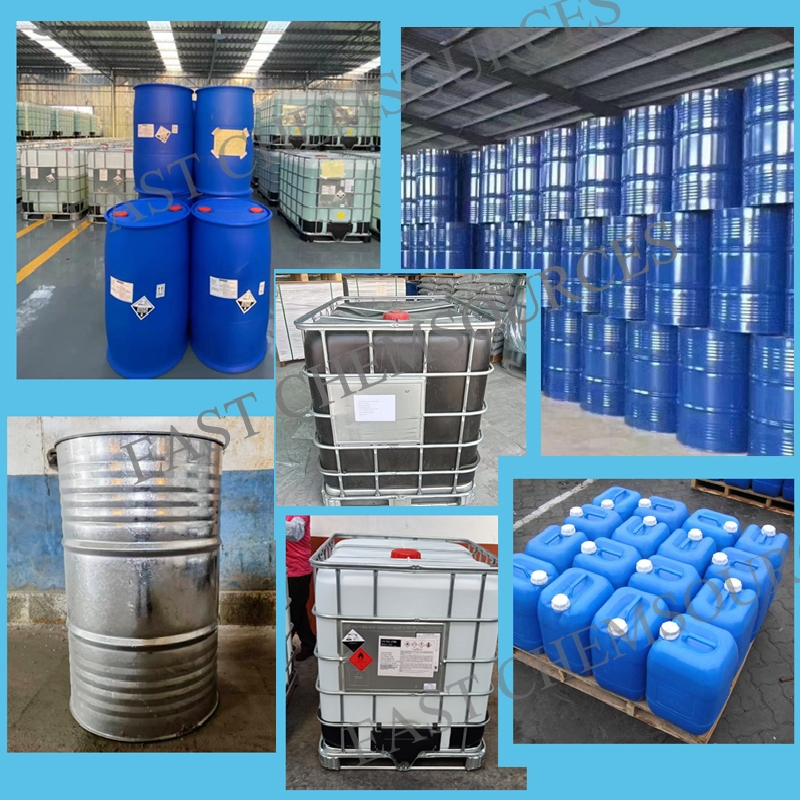
180KG DRUM

Price valid (until):

2024-03-05

Company Type:
Trader
Location:
China
Qualification:
Main Products:

Food additives,Pharmaceutical raw materials,Chemicals,Comestic raw materials

  • Product Description

  • Seller Information

  • Inquiry History

  • Description

    Shop Vinyl acetate monomer VAM-Detailed Image 1

    Section 2 - Composition, Information on Ingredients
    CAS#
    Chemical Name
    Percent
    EINECS/ELINCS
    108-05-4
    Vinyl acetate
    99
    203-545-4
    Section 3 - Hazards Identification
    EMERGENCY OVERVIEW
    Appearance: clear, colorless liquid. Flash Point: -8 deg C.
    Danger! Possible cancer hazard. May cause cancer based on animal data. Risk of cancer
    depends on duration and level of exposure. Extremely flammable liquid and vapor. Vapor may
    cause flash fire. Causes eye and skin irritation and possible burns. May cause allergic skin
    reaction. May cause respiratory tract irritation. This material has been reported to be susceptible
    to autoxidation and therefore should be classified as peroxidizable. Light sensitive. Hazardous
    due to peroxide initiation of polymerization.
    Target Organs: Central nervous system, liver, eyes, skin.
    Potential Health Effects
    Eye: Contact with eyes may cause severe irritation, and possible eye burns.
    Skin: May cause mild skin irritation. May be absorbed through the skin in harmful amounts.
    Material evaporates quickly from open skin. However, it may cause burns if trapped under
    clothing. May cause an allergic reaction in certain individuals.
    Ingestion: Aspiration hazard. May cause gastrointestinal irritation with nausea, vomiting and
    diarrhea.
    Inhalation: Harmful if inhaled. May cause irritation of the respiratory tract with burning pain in
    the nose and throat, coughing, wheezing, shortness of breath and pulmonary edema. Vapors
    may cause dizziness or suffocation.
    Chronic: Possible cancer hazard based on tests with laboratory animals. Chronic ingestion may
    cause liver damage. Prolonged or repeated skin contact may cause sensitization dermatitis and
    possible destruction and/or ulceration. Repeated inhalation may cause chronic bronchitis.
    Prolonged exposure may produce a narcotic effect. Repeated exposure may cause central
    Page 1 of 6nervous system damage.
    Section 4 - First Aid Measures
    Eyes: Immediately flush eyes with plenty of water for at least 15 minutes, occasionally lifting
    the upper and lower eyelids. Get medical aid.
    Skin: Get medical aid. Immediately flush skin with plenty of water for at least 15 minutes while
    removing contaminated clothing and shoes. Wash clothing before reuse.
    Ingestion: Do not induce vomiting. If victim is conscious and alert, give 2-4 cupfuls of milk or
    water. Never give anything by mouth to an unconscious person. Get medical aid.
    Inhalation: Remove from exposure and move to fresh air immediately. If not breathing, give
    artificial respiration. If breathing is difficult, give oxygen. Get medical aid.
    Notes to Physician: Treat symptomatically and supportively.
    Section 5 - Fire Fighting Measures
    General Information: As in any fire, wear a self-contained breathing apparatus in pressure-
    demand, MSHA/NIOSH (approved or equivalent), and full protective gear. Vapors can travel to a
    source of ignition and flash back. Use water spray to keep fire-exposed containers cool.
    Containers may explode in the heat of a fire. Vapors may be heavier than air. They can spread
    along the ground and collect in low or confined areas. May accumulate static electrical charges,
    and may cause ignition of its own vapors. Polymerizes readily if not inhibited; heat can initiate
    reaction. Extremely flammable liquid and vapor. Vapor may cause flash fire.
    Extinguishing Media: For small fires, use dry chemical, carbon dioxide, water spray or alcohol
    resistant foam. For large fires, use water spray, fog, or alcohol-resistant foam. Do NOT use
    water directly on fire. Use water spray to cool fire-exposed containers. Water may be ineffective.
    Do NOT use straight streams of water. Use water only in flooding quantities as fog.
    Flash Point: -8 deg C ( 17.60 deg F)
    Autoignition Temperature: 426 deg C ( 798.80 deg F)
    Explosion Limits, Lower:2.6
    Upper: 14.0
    NFPA Rating: (estimated) Health: 2; Flammability: 3; Instability: 2
    Section 6 - Accidental Release Measures
    General Information: Use proper personal protective equipment as indicated in Section 8.
    Spills/Leaks: Clean up spills immediately, observing precautions in the Protective Equipment
    section. Remove all sources of ignition. Use a spark-proof tool. Provide ventilation. A vapor
    suppressing foam may be used to reduce vapors.
    Section 7 - Handling and Storage
    Handling: Wash thoroughly after handling. Remove contaminated clothing and wash before
    reuse. Use with adequate ventilation. Ground and bond containers when transferring material.
    Use spark-proof tools and explosion proof equipment. Do not get in eyes, on skin, or on clothing.
    Empty containers retain product residue, (liquid and/or vapor), and can be dangerous. Keep
    away from heat, sparks and flame. Avoid ingestion and inhalation. Store protected from light.
    Wash clothing before reuse. Discard contaminated shoes. Do not pressurize, cut, weld, braze,
    solder, drill, grind, or expose empty containers to heat, sparks or open flames.
    Storage: Keep away from sources of ignition. Refrigerator/flammables. Keep away from
    Page 2 of 6Page 3 of 6
    polymerization catalysts. Store protected from light. Vinyl acetate inhibited with hydroquinone
    should be stored at temperatures not exceeding , and for periods not exceeding 6
    months. Refrigeration is recommended.
    Section 8 - Exposure Controls, Personal Protection
    Engineering Controls: Use adequate general or local exhaust ventilation to keep airborne
    concentrations below the permissible exposure limits. Ventilation fans and other electrical service
    must be non-sparking and have an explosion-proof design.
    Exposure Limits
    Chemical Name
    ACGIH
    NIOSH
    OSHA - Final PELs
    Vinyl acetate
    10 ppm TWA; 15 ppm
    STEL
    none listed
    none listed
    OSHA Vacated PELs: Vinyl acetate: 10 ppm TWA; 30 mg/m3 TWA
    Personal Protective Equipment
    Eyes: Wear chemical splash goggles.
    Skin: Wear appropriate protective gloves to prevent skin exposure.
    Clothing: Wear appropriate protective clothing to prevent skin exposure.
    Respirators: A respiratory protection program that meets OSHA's 29 CFR 1910.134 and ANSI
    Z88.2 requirements or European Standard EN 149 must be followed whenever workplace
    conditions warrant respirator use.
    Section 9 - Physical and Chemical Properties
    Physical State: Liquid
    Appearance: clear, colorless
    Odor: sweetish odor - sharp odor
    pH: Not available.
    Vapor Pressure: 85 mm Hg @ 20 deg C
    Vapor Density: 3.0
    Evaporation Rate:Not available.
    Viscosity: 0.43 cP@20 deg C
    Boiling Point: 72 - 73 deg C
    Freezing/Melting Point:-93 deg C
    Decomposition Te mperature:Not available.
    Solubility: Insoluble.
    Specific Gravity/ Density:.9340
    Molecular Formula:C4H6O2
    Molecular Weight:86.0408
    Section 10 - Stability and Reactivity
    Chemical Stability: Peroxide formation may occur in containers that have been opened and
    remain in storage. May form explosive peroxides. May polymerize violently or explosively if
    contaminated or overheated. Uncontrolled polymerization can cause rapid evolution of heat and
    increased pressure which can result in violent rupture of storage vessels or containers.
    Conditions to Avoid: Incompatible materials, light, ignition sources, excess heat, oxidizers.
    Incompatibilities with Other Materials: Nonoxidizing mineral acids, ammonia, aliphatic
    amines, ethylene diamine, ethyleneimine, ozone, oleum, peroxides, strong acids, alkanolamines,
    hydrochloric acid, hydrofluoric acid, nitric acid, sulfuric acid, polymerizing initiators, oxygen.
    Hazardous Decomposition Products: Carbon monoxide, carbon dioxide.Hazardous Polymerization: May occur.
    Section 11 - Toxicological Information
    RTECS#:
    CAS# 108-05-4: AK0875000
    LD50/LC50:
    CAS# 108-05-4:
    Inhalation, mouse: LC50 = 1550 ppm/4H;
    Inhalation, rabbit: LC50 = 2500 ppm/4H;
    Inhalation, rat: LC50 = 11400 mg/m3/4H;
    Oral, mouse: LD50 = 1600 mg/kg;
    Oral, rat: LD50 = 2900 mg/kg;
    Skin, rabbit: LD50 = 2335 mg/kg;
    .
    Carcinogenicity:
    CAS# 108-05-4:
     ACGIH: A3 - Confirmed animal carcinogen with unknown relevance to humans
     California: Not listed.
     NTP: Not listed.
     IARC: Group 2B carcinogen
    Epidemiology: No information found
    Teratogenicity: No information found
    Reproductive Effects: No data available.
    Mutagenicity: No data available.
    Neurotoxicity: No information found
    Other Studies:
    Section 12 - Ecological Information
    Ecotoxicity: Fish: Fathead Minnow: LC50 = 31.0 mg/L; 96 Hr.; UnspecifiedFish:
    Bluegill/Sunfish: LC50 = 31.0 mg/L; 96 Hr.; UnspecifiedFish: Goldfish: LC50 = 31.0 mg/L; 96
    Hr.; UnspecifiedWater flea EC50 = 52.0 mg/L; 24 Hr.; Unspecified No data available.
    Environmental: Under aerobic conditions, Vinyl acetate readily biodegrades. BOD (5-day)
    values are in the range of 42-62% of COD. Biodegradation also occurs under anaerobic
    conditions.
    Physical: No information available.
    Other: No information available.
    Section 13 - Disposal Considerations
    Chemical waste generators must determine whether a discarded chemical is classified as a
    hazardous waste. US EPA guidelines for the classification determination are listed in 40 CFR Parts
    261.3. Additionally, waste generators must consult state and local hazardous waste regulations
    to ensure complete and accurate classification.
    RCRA P-Series: None listed.
    RCRA U-Series: None listed.
    Page 4 of 6Section 14 - Transport Information
    US DOT
    Canada TDG
    Shipping Name:
    VINYL ACETATE, STABILIZED
    VINYL ACETATE STABILIZED
    Hazard Class:
    3
    3
    UN Number:
    UN1301
    UN1301
    Packing Group:
    II
    II
    Additional Info:
    FLASHPOINT -8 C
    Section 15 - Regulatory Information
    US FEDERAL
    TSCA
    CAS# 108-05-4 is listed on the TSCA inventory.
    Health & Safety Reporting List
    CAS# 108-05-4: Effective 2/10/86, Sunset 2/10/96
    Chemical Test Rules
    None of the chemicals in this product are under a Chemical Test Rule.
    Section 12b
    None of the chemicals are listed under TSCA Section 12b.
    TSCA Significant New Use Rule
    None of the chemicals in this material have a SNUR under TSCA.
    CERCLA Hazardous Substances and corresponding RQs
    CAS# 108-05-4: 5000 lb final RQ; 2270 kg final RQ
    SARA Section 302 Extremely Hazardous Substances
    CAS# 108-05-4: 1000 lb TPQ
    SARA Codes
    CAS # 108-05-4: immediate, fire, reactive.
    Section 313
    This material contains Vinyl acetate (CAS# 108-05-4, 99%),which is subject to the reporting
    requirements of Section 313 of SARA Title III and 40 CFR Part 373.
    Clean Air Act:
    CAS# 108-05-4 is listed as a hazardous air pollutant (HAP).
    This material does not contain any Class 1 Ozone depletors.
    This material does not contain any Class 2 Ozone depletors.
    Clean Water Act:
    CAS# 108-05-4 is listed as a Hazardous Substance under the CWA.
    None of the chemicals in this product are listed as Priority Pollutants under the CWA.
    None of the chemicals in this product are listed as Toxic Pollutants under the CWA.
    OSHA:
    None of the chemicals in this product are considered highly hazardous by OSHA.
    STATE
    CAS# 108-05-4 can be found on the following state right to know lists: California, New
    Jersey, Pennsylvania, Minnesota, Massachusetts.
    California Prop 65
    California No Significant Risk Level: None of the chemicals in this product are listed.
    European/International Regulations
    European Labeling in Accordance with EC Directives
    Hazard Symbols:
    XN F
    Risk Phrases:
    R 11 Highly flammable.
    Page 5 of 6R 40 Limited evidence of a carcinogenic effect.
    Safety Phrases:
    S 16 Keep away from sources of ignition - No smoking.
    S 23 Do not inhale gas/fumes/vapour/spray.
    S 29 Do not empty into drains.
    S 33 Take precautionary measures against static discharges.
    WGK (Water Danger/Protection)
    CAS# 108-05-4: 2
    Canada - DSL/NDSL
    CAS# 108-05-4 is listed on Canada's DSL List.
    Canada - WHMIS
    This product has a WHMIS classification of B2, D2A, F.
    This product has been classified in accordance with the hazard criteria of the Controlled Products
    Regulations and the MSDS contains all of the information required by those regulations.
    Canadian Ingredient Disclosure List
    CAS# 108-05-4 is listed on the Canadian Ingredient Disclosure List.
    Section 16 - Additional Information
    MSDS Creation Date: 5/19/2016
    Revision #7 Date: 10/25/2022
    Items Specifications


    Certificates

    Basic Info
    Product Name:

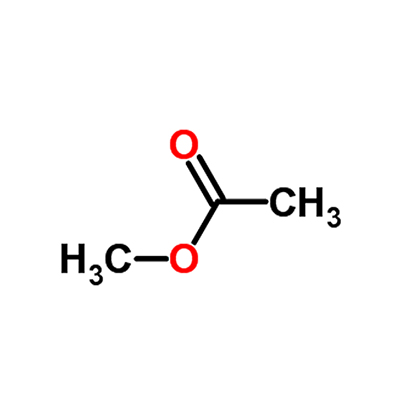
    Vinyl acetate

    Other Name:

    Acetic acid ethenyl ester;Acetic acid vinyl ester;Ethenyl acetate;Vinyl A monomer;Vinyl acetate;1-Acetoxyethylene;Acetoxyethylene;Acetoxyethene;NSC 8404;Acetic acid,ethenyl ester;SN 12T;GC Fuji Varnish;58162-13-3;61891-42-7;82041-23-4;85306-26-9;172702-77-1;220713-36-0

    CAS No.:

    108-05-4

    UN No.:

    1301

    Molecular Formula:

    C4H6O2

    InChIKeys:

    InChIKey=XTXRWKRVRITETP-UHFFFAOYSA-N

    Molecular Weight:

    86.09

    Exact Mass:

    86.09

    EC Number:

    203-545-4

    HScode:

    2915320000

    Characteristics
    PSA:

    26.3

    XLogP3:

    0.73

    Appearance:

    colorless liquid

    Density:

    0.932 g/cm3 @ Temp: 20 °C

    Melting Point:

    -93.2 °C

    Boiling Point:

    72.7 °C

    Flash Point:

    -8℃

    Refractive Index:

    1.390

    Water Solubility:

    H2O: 23G/L(20ºC)

    Storage Conditions:

    A storage hazard, it may undergo spontaneous exothermic polymerization.

    Vapor Pressure:

    13.3kPa/21.5℃

    Vapor Density:

    3

    Flammability characteristics:

    Class IB Flammable Liquid: Fl.P. below 73°F and BP at or above 100°F.

    Explosive limit:

    vol% in air: 2.63.4

    Odor:

    An initially pleasant odor which quickly becomes sharp and irritating ... Not unpleasant , sweetish smell in small quantities

    Hazard Identification

    Classification of the substance or mixture

    Flammable liquids, Category 2

    Acute toxicity - Category 4, Inhalation

    Specific target organ toxicity – single exposure, Category 3

    Carcinogenicity, Category 2

    GHS label elements, including precautionary statements

    Pictogram(s)
    Signal word

    Danger

    Hazard statement(s)

    H225 Highly flammable liquid and vapour

    H332 Harmful if inhaled

    H335 May cause respiratory irritation

    H351 Suspected of causing cancer

    Precautionary statement(s)
    Prevention

    P210 Keep away from heat, hot surfaces, sparks, open flames and other ignition sources. No smoking.

    P233 Keep container tightly closed.

    P240 Ground and bond container and receiving equipment.

    P241 Use explosion-proof [electrical/ventilating/lighting/...] equipment.

    P242 Use non-sparking tools.

    P243 Take action to prevent static discharges.

    P280 Wear protective gloves/protective clothing/eye protection/face protection/hearing protection/...

    P261 Avoid breathing dust/fume/gas/mist/vapours/spray.

    P271 Use only outdoors or in a well-ventilated area.

    P203 Obtain, read and follow all safety instructions before use.

    Response

    P303+P361+P353 IF ON SKIN (or hair): Take off immediately all contaminated clothing. Rinse affected areas with water [or shower].

    P370+P378 In case of fire: Use ... to extinguish.

    P304+P340 IF INHALED: Remove person to fresh air and keep comfortable for breathing.

    P317 Get medical help.

    P319 Get medical help if you feel unwell.

    P318 IF exposed or concerned, get medical advice.

    Storage

    P403+P235 Store in a well-ventilated place. Keep cool.

    P403+P233 Store in a well-ventilated place. Keep container tightly closed.

    P405 Store locked up.

    Disposal

    P501 Dispose of contents/container to an appropriate treatment and disposal facility in accordance with applicable laws and regulations, and product characteristics at time of disposal.

    Other hazards which do not result in classification

    no data available

    Handling and Storage

    Precautions for safe handling

    NO open flames, NO sparks and NO smoking. Closed system, ventilation, explosion-proof electrical equipment and lighting. Do NOT use compressed air for filling, discharging, or handling. Handling in a well ventilated place. Wear suitable protective clothing. Avoid contact with skin and eyes. Avoid formation of dust and aerosols. Use non-sparking tools. Prevent fire caused by electrostatic discharge steam.

    Conditions for safe storage, including any incompatibilities

    Fireproof. Separated from strong oxidants, acids and bases. Keep in the dark. Well closed. Store only if stabilized. Store in an area without drain or sewer access.

  • Seller Information
    Business Type:

    Trader

    Main Products:

    Food additives,Pharmaceutical raw materials,Chemicals,Comestic raw materials

    Location:

    Room 501, Unit 6, No. 40, hushan road,Licang,Qingdao

    Payment Terms:

    TT against copy of documents,TT against B/L draft before shipment,100% TT in advance

    Average lead Time:

    10

    Total Annual Revenue:

    $1 million-$2.5 million

    Total Employees:

    11-50

    Year of Establishment:

    2017

    QINGDAO EASTCHEMSORCES TRADE LIMITED is a leading Manufactory supplier of Sorbitol, Citric acid, Sodium hypochlorite based in Qingdao, Shandong, China. With a commitment to quality and customer satisfaction, QINGDAO EASTCHEMSORCES TRADE LIMITED has become a trusted name in the industry. Our product line includes a range of high-quality Sorbitol, Citric acid, Sodium hypochlorite, which are available at competitive prices. QINGDAO EASTCHEMSORCES TRADE LIMITED has established itself as a reliable supplier of chemical products on the echemi.com.

  • Inquiry History
    42 Inquiries
    Country Product Purchase Quantity Date Posted
    India

    Factory Supply Vinyl Acetate Monomer 99% Colorless liquid 108-05-4 Quanjinci

    21 TON Sep 28, 2023
    South Africa

    Good Quality Vinyl Acetate Monomer 99.9% VAM Cas No 108-05-4

    20 MT Jul 28, 2023
    Bangladesh

    ethenyl acetate

    1 KG Jul 13, 2025
    Russia

    Vinyl acetate

    20 MT May 25, 2026
    India

    Vinyl Acetate Monomer

    25 KG Jun 8, 2026
    India

    Vinyl Acetate Monomer

    20 MT Jun 6, 2026
    India

    vinyl acetate monomer

    30.00 MT May 6, 2026
    Pakistan

    Vinyl Acetate Monomer

    1 KG Apr 27, 2026
    India

    VAM

    1 KG Apr 13, 2026
    India

    Vinyl acetate monomer

    1000 KG Mar 19, 2026
    Romania

    vinil acetat monomer vam

    22 MT Mar 18, 2026
    South Korea

    Vinyl acetate

    500.00 KG Feb 6, 2026
    Russia

    Vinyl Acetate Mono

    1 20' Fcl Nov 18, 2025
    Pakistan

    Vinyl Acetate Monomer

    3.00 MT Sep 4, 2025
    India

    Vinyl Acetate Monomer

    90.00 MT Jul 23, 2025
    Egypt

    Vinyl acetate monomer

    5 KG Jul 10, 2025
    Pakistan

    Vamp Vinyl Acetate Monomer

    40 TON May 26, 2025
    India

    Vinyl acetate monomer

    25.00 TON May 13, 2025
    India

    Vinyl Acetate

    100 MT Apr 20, 2025
    Pakistan

    Vinyl acetate monomer

    100.00 MT Apr 14, 2025
    Post an enquiry for this product
pic ×

Scan the QR Code to Share

All products displayed on this website are only for non-medical purposes such as industrial applications or scientific research, and cannot be used for clinical diagnosis or treatment of humans or animals. They are not medicinal or edible.

According to relevant laws and regulations and the regulations of this website, units or individuals who purchase hazardous materials should obtain valid qualifications and qualification conditions.

The information shown above is provided by the enterprise itself, and the authenticity, accuracy and legitimacy of the content are the responsibility of the publishing company. ECHEMI does not bear any guarantee responsibility for this. Please be aware that risks in internet transactions objectively exist.

Feedback & Suggestions
Send Message

Thank you for your feedback. If you require further assistance, please contact us by email at info@echemi.com or call us at +86-532-55729510.