Product
Supplier
Encyclopedia
Inquiry
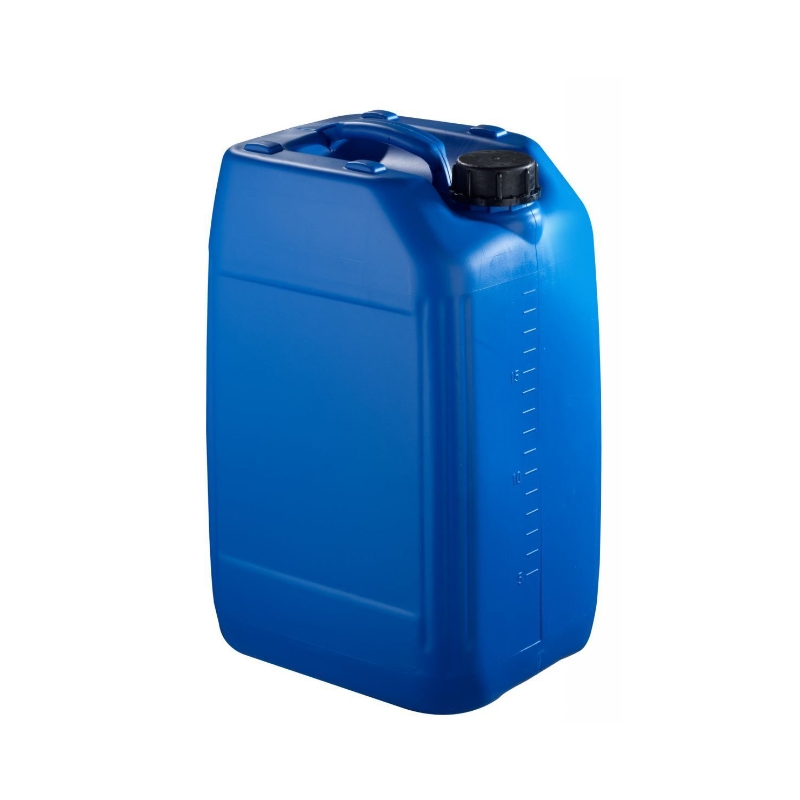
Top Quality Corrosion Inhibitor CAS  40372-66-5 buy - large image1
Top Quality Corrosion Inhibitor CAS  40372-66-5 buy - image1
Top Quality Corrosion Inhibitor CAS  40372-66-5 buy - image2
Top Quality Corrosion Inhibitor CAS  40372-66-5 buy - image3

Top Quality Corrosion Inhibitor CAS 40372-66-5

Unit Price: Get Latest Price
CAS No.:

40372-66-5

Grade:

Industrial Grade

Content:

99%

Port:

Durban

Brand:

Custom

Packaging:

As per customer requirement

Price valid (until):

2024-05-05

Company Type:
Distributor
Location:
South Africa
Qualification:
Main Products:

Sodium Lauryl Ether Sulfate,Caustic Soda,Soda Ash,Citric Acid,Calcium Hypochlorite,Oxalic Acid

  • Product Description

  • Seller Information

  • Description


      Product Detail  


    Organic Corrosion Inhibitors: These inhibitors are typically composed of organic compounds that form a protective film on the metal surface, effectively blocking corrosive agents from reaching the metal. They often contain nitrogen, sulfur, or phosphorus atoms that can coordinate with metal ions, forming a stable complex that prevents corrosion.


    Inorganic Corrosion Inhibitors: Inorganic inhibitors function by forming a protective layer on the metal surface through adsorption or chemical reaction. Compounds like chromates, phosphates, and silicates are commonly used as inorganic inhibitors. They work by passivating the metal surface, reducing its susceptibility to corrosion.


    Volatility Inhibitors: These inhibitors work by forming a protective vapor phase above the metal surface, which prevents corrosive agents from reaching the metal. Volatility inhibitors are often used in enclosed systems or for protection during storage and transportation of metals.


    Mixed Inhibitors: Mixed inhibitors contain a combination of organic and inorganic compounds, offering synergistic effects for enhanced corrosion protection. By combining different types of inhibitors, mixed inhibitors can provide broader protection against various types of corrosion mechanisms.


    Anodic and Cathodic Inhibitors: Anodic inhibitors work by suppressing the anodic dissolution reaction, while cathodic inhibitors function by inhibiting the cathodic reduction reaction. By targeting specific electrochemical processes involved in corrosion, these inhibitors can effectively protect metals from degradation in corrosive environments.

    Items Specifications
    Chemical Name Corrosion Inhibitors
    Chemical Formula Variable, depending on the specific inhibitor
    Common Names -
    Appearance Liquid, powder, or solid
    Solubility Variable, depending on the specific inhibitor
    pH (1% Solution) Variable, depending on the specific inhibitor
    Active Ingredient (%) Variable, depending on the specific inhibitor
    Effective Temperature Typically ranges from ambient to elevated temperatures, depending on the application
    Concentration Range Typically used at low concentrations (ppm to %)
    Compatibility Compatible with various metals and alloys
    Storage Conditions Store in a cool, dry place away from incompatible substances. Keep containers tightly closed.


      Product Detail  


    1. Passivation: Corrosion inhibitors work by forming a thin protective layer on the metal surface, which prevents direct contact with the corrosive environment. This layer is often referred to as a passive film.

    2. Electrochemical Properties: Corrosion inhibitors can alter the electrochemical properties of the metal surface, making it less susceptible to corrosion. This can include changing the potential of the metal or altering the kinetics of the corrosion reactions.

    3. Adsorption: Inhibitors typically adsorb onto the metal surface, forming a protective monolayer. This adsorption process is often influenced by factors such as inhibitor concentration, temperature, and pH.

    4. Film Formation: Some corrosion inhibitors function by forming a physical barrier on the metal surface, which prevents corrosive species from reaching the metal. This barrier can be in the form of a film or a complex.

    5. Specificity: Corrosion inhibitors are often designed to target specific types of corrosion or specific metals/alloys. They may work well in certain environments but may be less effective in others.

    6. Environmental Compatibility: Effective corrosion inhibitors should not introduce additional environmental hazards or toxicity concerns. They should be compatible with the fluid or gas being treated and should not cause adverse effects on equipment or personnel.

    7. Persistence: Ideally, corrosion inhibitors should provide long-lasting protection to the metal surface. However, their effectiveness may diminish over time due to factors such as depletion, contamination, or environmental changes.

    8. Solubility: Corrosion inhibitors should have adequate solubility in the fluid or gas being treated to ensure uniform distribution and effectiveness.

    9. Temperature Stability: Corrosion inhibitors should remain effective over a range of temperatures encountered in the operating environment. Extreme temperatures can affect the adsorption, desorption, or chemical reactions involved in inhibition.

    10. Compatibility with Other Additives: In industrial applications, corrosion inhibitors may be used in conjunction with other additives such as biocides, scale inhibitors, or antifoulants. Compatibility between these additives is important to ensure their combined effectiveness.


      Product Detail  


    Shop Top Quality Corrosion Inhibitor CAS  40372-66-5-Detailed Image 1

    Basic Info
    Product Name:

    1,2,4-Butanetricarboxylic acid, 2-phosphono-, sodium salt (1:?)

    Other Name:

    1,2,4-Butanetricarboxylic acid,2-phosphono-,sodium salt (1:?);1,2,4-Butanetricarboxylic acid,2-phosphono-,sodium salt;Sodium 2-phosphono-1,2,4-butanetricarboxylate;2-Phosphono-1,2,4-butanetricarboxylic acid sodium salt;1,2,4-Tricarboxy-2-phosphonobutane sodium salt;Chelest PH 435

    CAS No.:

    40372-66-5

    Molecular Formula:

    C7H11O9P.xNa

    InChIKeys:

    InChIKey=RTHGWTJOCVHZGK-UHFFFAOYSA-N

    Molecular Weight:

    358.05800

    Exact Mass:

    357.94200

    EC Number:

    253-733-5

    DSSTox ID:

    DTXSID7094892

    Categories:

    UV Absorbers

    Characteristics
    PSA:

    190.56000

    Appearance:

    DryPowder; Liquid

    Density:

    1.835g/cm3

    Boiling Point:

    545.2ºC at 760mmHg

    Flash Point:

    283.5ºC

    Hazard Identification

    Classification of the substance or mixture

    Not classified.

    GHS label elements, including precautionary statements

    Pictogram(s) No symbol.
    Signal word

    No signal word

    Hazard statement(s)

    none

    Precautionary statement(s)
    Prevention

    none

    Response

    none

    Storage

    none

    Disposal

    none

    Other hazards which do not result in classification

    no data available

    Handling and Storage

    Precautions for safe handling

    Handling in a well ventilated place. Wear suitable protective clothing. Avoid contact with skin and eyes. Avoid formation of dust and aerosols. Use non-sparking tools. Prevent fire caused by electrostatic discharge steam.

    Conditions for safe storage, including any incompatibilities

    Store the container tightly closed in a dry, cool and well-ventilated place. Store apart from foodstuff containers or incompatible materials.

  • Seller Information
    Business Type:

    Distributor

    Main Products:

    Sodium Lauryl Ether Sulfate,Caustic Soda,Soda Ash,Citric Acid,Calcium Hypochlorite,Oxalic Acid

    Location:

    13 PROTEA PARK MILKWOOD STREET RANGEVIEW GAUTENG 1739

    Payment Terms:

    TT against copy of documents,TT against B/L draft before shipment

    Average lead Time:

    60

    Total Annual Revenue:

    $1 million-$2.5 million

    Total Employees:

    11-50

    Year of Establishment:

    2012

  • Country Product Purchase Quantity Date Posted
    Post an enquiry for this product
pic ×

Scan the QR Code to Share

All products displayed on this website are only for non-medical purposes such as industrial applications or scientific research, and cannot be used for clinical diagnosis or treatment of humans or animals. They are not medicinal or edible.

According to relevant laws and regulations and the regulations of this website, units or individuals who purchase hazardous materials should obtain valid qualifications and qualification conditions.

The information shown above is provided by the enterprise itself, and the authenticity, accuracy and legitimacy of the content are the responsibility of the publishing company. ECHEMI does not bear any guarantee responsibility for this. Please be aware that risks in internet transactions objectively exist.

Feedback & Suggestions
Send Message

Thank you for your feedback. If you require further assistance, please contact us by email at info@echemi.com or call us at +86-532-55729510.