Product
Supplier
Encyclopedia
Inquiry
Home > Biochemical Engineering > Enzymes and Coenzymes Drugs > Hyaluronidase for Sale > Largest factory Manufacturer Supply High Quality Hyaluronidase/HYALURON CAS 9001-54-1
Largest factory Manufacturer Supply High Quality Hyaluronidase/HYALURON CAS 9001-54-1 buy - large image1
Largest factory Manufacturer Supply High Quality Hyaluronidase/HYALURON CAS 9001-54-1 buy - image1
Largest factory Manufacturer Supply High Quality Hyaluronidase/HYALURON CAS 9001-54-1 buy - image2
Largest factory Manufacturer Supply High Quality Hyaluronidase/HYALURON CAS 9001-54-1 buy - image3
Largest factory Manufacturer Supply High Quality Hyaluronidase/HYALURON CAS 9001-54-1 buy - image4
Largest factory Manufacturer Supply High Quality Hyaluronidase/HYALURON CAS 9001-54-1 buy - image5
Largest factory Manufacturer Supply High Quality Hyaluronidase/HYALURON CAS 9001-54-1 buy - image6

Largest factory Manufacturer Supply High Quality Hyaluronidase/HYALURON CAS 9001-54-1

2 Inquiries

Unit Price: Get Latest Price
CAS No.:

9001-54-1

Grade:

Pharmaceutical Grade

Content:

99%

Port:

Durban

Brand:

Custom

Packaging:

As per customer requirement

Price valid (until):

2024-05-18

Company Type:
Distributor
Location:
South Africa
Qualification:
Main Products:

Sodium Lauryl Ether Sulfate,Caustic Soda,Soda Ash,Citric Acid,Calcium Hypochlorite,Oxalic Acid

  • Product Description

  • Seller Information

  • Inquiry History

  • Description


      Product Detail  


                            1. Biological Function: Hyaluronidase plays a crucial role in various physiological and pathological processes by breaking down hyaluronic acid molecules into smaller fragments. This enzymatic activity facilitates tissue remodeling, cell migration, and the diffusion of molecules through the extracellular matrix.

                            2. Enzyme Classification: Hyaluronidases belong to the glycoside hydrolase family of enzymes and are classified based on their substrate specificity and mechanism of action. They can hydrolyze the glycosidic bonds between the N-acetylglucosamine and glucuronic acid units of hyaluronic acid.

                            3. Tissue Distribution: Hyaluronidase activity is found in various tissues and organs throughout the body, including the skin, cartilage, synovial fluid, blood vessels, and reproductive organs. It is produced by various cell types, such as fibroblasts, leukocytes, macrophages, and sperm cells.

                            4. Physiological Roles: In physiological conditions, hyaluronidase activity contributes to processes such as embryonic development, wound healing, tissue repair, and ovulation. It helps break down hyaluronic acid barriers, allowing cells to migrate through tissues and interact with each other during development and repair.

                            5. Reproductive Function: Hyaluronidase plays a critical role in sperm function and fertilization by facilitating the penetration of sperm cells through the cumulus oophorus, a layer of hyaluronic acid-rich cells surrounding the egg in the female reproductive tract. Sperm-derived hyaluronidases help disperse the cumulus matrix and promote sperm-egg binding and fusion.

                            6. Medical Applications: Hyaluronidase is used in various medical and therapeutic applications, including ophthalmology, dermatology, oncology, and emergency medicine. It is often used as an adjuvant to enhance the diffusion and absorption of injectable drugs, local anesthetics, and subcutaneous fluids.

                            7. Drug Delivery: Hyaluronidase can improve the efficacy and pharmacokinetics of injectable medications by promoting their dispersion and distribution within tissues. It is used in combination with other drugs to facilitate their absorption, increase their bioavailability, and enhance their therapeutic effects.

                            8. Dermal Fillers: In dermatology and cosmetic surgery, hyaluronidase is employed as an enzyme-based treatment to dissolve and remove hyaluronic acid-based dermal fillers. It can reverse the effects of overfilling, uneven distribution, or complications associated with dermal filler injections, providing a corrective option for patients.

                            9. Emergency Medicine: Hyaluronidase is used in emergency medicine to facilitate the dispersion and absorption of subcutaneous fluids, such as intravenous (IV) infusions, medications, and contrast agents. It can improve the rate of fluid absorption and reduce the risk of tissue damage or extravasation at injection sites.

                            10. Allergy Treatment: Hyaluronidase is also employed as a component of certain allergen immunotherapy formulations to enhance the dispersion and absorption of allergenic extracts. It helps increase the exposure of immune cells to allergens, promoting the induction of tolerance and desensitization in allergic individuals.

                            11. Enzyme Replacement Therapy: Deficiencies or abnormalities in hyaluronidase activity can lead to rare genetic disorders known as mucopolysaccharidoses (MPS), characterized by the accumulation of glycosaminoglycans (GAGs) such as hyaluronic acid in tissues. Enzyme replacement therapy (ERT) with recombinant hyaluronidase is used to treat certain types of MPS by promoting the degradation and clearance of accumulated GAGs.

                            12. Safety Considerations: Hyaluronidase is generally well-tolerated when used appropriately in medical procedures and therapies. Adverse effects are rare but may include local reactions at injection sites, allergic reactions, or systemic side effects. Careful patient selection, dosing, and administration techniques are important to minimize risks and optimize outcomes.

                            13. Formulations and Administration: Hyaluronidase is available in various formulations, including lyophilized powders, liquid solutions, and pre-mixed preparations. It can be administered via various routes, including intravenous (IV), intramuscular (IM), subcutaneous (SC), and intralesional injections, depending on the intended application and therapeutic indication.

                            14. Regulatory Status: Hyaluronidase products used in medical practice are regulated by health authorities, such as the U.S. Food and Drug Administration (FDA) and the European Medicines Agency (EMA). They must meet specific quality, safety, and efficacy standards for marketing and use in clinical settings.

                            15. Research and Development: Ongoing research is focused on elucidating the molecular mechanisms of hyaluronidase activity, developing novel formulations and delivery systems, and exploring new therapeutic applications in areas such as cancer therapy, tissue engineering, and regenerative medicine. Additionally, efforts are underway to optimize the production, purification, and characterization of recombinant hyaluronidase for clinical use.

    No. Property/Function Description
    1 Enzyme Type Hyaluronidase
    2 CAS Number 9001-54-1
    3 Molecular Weight Varies depending on source
    4 Source Can be derived from animals or produced recombinantly
    5 Activity Catalyzes the hydrolysis of hyaluronic acid bonds
    6 Function Facilitates the diffusion and absorption of injected substances
    7 Applications Used in medicine for drug delivery, fluid absorption, ophthalmic surgery, and dermatology
    8 Medical Uses Helps in the dispersion of medications, assists in subcutaneous fluid administration, aids in local anesthesia, and improves the spread of injected fluids
    9 Dermatological Uses Utilized in cosmetic procedures, such as dermal fillers and mesotherapy
    10 Ophthalmic Surgery Assists in the delivery of medications and in the dispersion of injected fluids during ocular surgery
    11 Emergency Medicine Used to enhance the absorption of injected fluids in emergency situations
    12 Safety Generally well-tolerated, but adverse reactions can occur, such as allergic reactions or tissue damage at the injection site
    13 Administration Typically administered as an injection, often in combination with other substances
    14 Research Continuously studied for new applications and improved formulations
    15 Regulatory Approval Approved for medical use in various countries, with specific guidelines for dosage and administration


      Product Detail  


    Shop Largest factory Manufacturer Supply High Quality Hyaluronidase/HYALURON CAS 9001-54-1-Detailed Image 1Shop Largest factory Manufacturer Supply High Quality Hyaluronidase/HYALURON CAS 9001-54-1-Detailed Image 2Shop Largest factory Manufacturer Supply High Quality Hyaluronidase/HYALURON CAS 9001-54-1-Detailed Image 3

    Basic Info
    Product Name:

    Hyaluronidase

    Other Name:

    Hyaluronidase;Alidase;Diffusin;Diffusing factor;Enzodase;Hyadase;Hyalidase;Hyason;Hyazyme;Infiltrase;Jalovis;Kinaden;Kinetin-Schering;Luronase;Rondase;Ronidase;Spreading factor;Unidasa;Wydase;Mucinase;Lidase;Thiomucase;Receptor-destroying mucinase;Uterolidase;Hylase;Kinetin (enzyme);Kinetin;Bilidase;Lirase;Amphadase;Hyaluronidases;HAase;Lydase;Lidaza;Lydazum 64YE;9013-54-1;9013-76-7;9013-16-5;9013-97-2;9037-26-7

    CAS No.:

    9001-54-1

    InChIKeys:

    PPEBBOHQEAQKSW-UHFFFAOYSA-N

    Molecular Weight:

    342.303

    Exact Mass:

    342.073944

    EC Number:

    232-614-1

    HScode:

    35079090

    Characteristics
    PSA:

    91.3

    XLogP3:

    2.41

    Appearance:

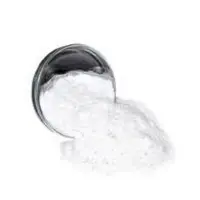
    white to slightly brown lyophilized powder

    Density:

    1.5±0.1 g/cm3

    Boiling Point:

    598.6±50.0 °C at 760 mmHg

    Flash Point:

    223.2±23.6 °C

    Refractive Index:

    1.642

    Storage Conditions:

    −20°C

    Hazard Identification

    Classification of the substance or mixture

    Not classified.

    GHS label elements, including precautionary statements

    Pictogram(s) No symbol.
    Signal word

    No signal word

    Hazard statement(s)

    none

    Precautionary statement(s)
    Prevention

    none

    Response

    none

    Storage

    none

    Disposal

    none

    Other hazards which do not result in classification

    no data available

    Handling and Storage

    Precautions for safe handling

    Handling in a well ventilated place. Wear suitable protective clothing. Avoid contact with skin and eyes. Avoid formation of dust and aerosols. Use non-sparking tools. Prevent fire caused by electrostatic discharge steam.

    Conditions for safe storage, including any incompatibilities

    Store the container tightly closed in a dry, cool and well-ventilated place. Store apart from foodstuff containers or incompatible materials.

  • Seller Information
    Business Type:

    Distributor

    Main Products:

    Sodium Lauryl Ether Sulfate,Caustic Soda,Soda Ash,Citric Acid,Calcium Hypochlorite,Oxalic Acid

    Location:

    13 PROTEA PARK MILKWOOD STREET RANGEVIEW GAUTENG 1739

    Payment Terms:

    TT against copy of documents,TT against B/L draft before shipment

    Average lead Time:

    60

    Total Annual Revenue:

    $1 million-$2.5 million

    Total Employees:

    11-50

    Year of Establishment:

    2012

  • Inquiry History
    2 Inquiries
    Country Product Purchase Quantity Date Posted
    Singapore

    Pharmaceutical Grade Hyaluronidase

    1 G Mar 22, 2024
    Canada

    Chondroitinase ABC from Proteus vulgaris, Recombinant

    Nov 10, 2023
    Post an enquiry for this product

Hot Related Products

pic ×

Scan the QR Code to Share

All products displayed on this website are only for non-medical purposes such as industrial applications or scientific research, and cannot be used for clinical diagnosis or treatment of humans or animals. They are not medicinal or edible.

According to relevant laws and regulations and the regulations of this website, units or individuals who purchase hazardous materials should obtain valid qualifications and qualification conditions.

The information shown above is provided by the enterprise itself, and the authenticity, accuracy and legitimacy of the content are the responsibility of the publishing company. ECHEMI does not bear any guarantee responsibility for this. Please be aware that risks in internet transactions objectively exist.

Feedback & Suggestions
Send Message

Thank you for your feedback. If you require further assistance, please contact us by email at info@echemi.com or call us at +86-532-55729510.