Product
Supplier
Encyclopedia
Inquiry
Home > Biochemical Engineering > Inhibitors > Polyinosinic acid for Sale > Largest factory Manufacturer Supply High Qulity Polyinosinic Acid CAS 30918-54-8
Largest factory Manufacturer Supply High Qulity Polyinosinic Acid CAS 30918-54-8 buy - large image1
Largest factory Manufacturer Supply High Qulity Polyinosinic Acid CAS 30918-54-8 buy - image1
Largest factory Manufacturer Supply High Qulity Polyinosinic Acid CAS 30918-54-8 buy - image2
Largest factory Manufacturer Supply High Qulity Polyinosinic Acid CAS 30918-54-8 buy - image3
Largest factory Manufacturer Supply High Qulity Polyinosinic Acid CAS 30918-54-8 buy - image4
Largest factory Manufacturer Supply High Qulity Polyinosinic Acid CAS 30918-54-8 buy - image5
Largest factory Manufacturer Supply High Qulity Polyinosinic Acid CAS 30918-54-8 buy - image6

Largest factory Manufacturer Supply High Qulity Polyinosinic Acid CAS 30918-54-8

Unit Price: Get Latest Price
CAS No.:

30918-54-8

Grade:

Industrial Grade

Content:

99%

Port:

Durban

Brand:

Custom

Packaging:

As per customer requirement

Price valid (until):

2024-05-19

Company Type:
Distributor
Location:
South Africa
Qualification:
Main Products:

Sodium Lauryl Ether Sulfate,Caustic Soda,Soda Ash,Citric Acid,Calcium Hypochlorite,Oxalic Acid

  • Product Description

  • Seller Information

  • Description


      Product Detail  


        1. Polyinosinic Acid (30918-54-8): Exploring its Structure, Functions, and Applications

          Polyinosinic acid, identified by the CAS number 30918-54-8, is a biologically significant compound with diverse roles in molecular biology, immunology, and medical research. This molecule, characterized by its unique chemical structure and versatile properties, has garnered considerable attention for its potential applications in various fields.

          Chemical Structure and Characteristics

          Polyinosinic acid is a polymer composed of inosinic acid monomers linked together through phosphodiester bonds. Its molecular formula varies depending on the length of the polymer chain, typically represented as (I)n, where "n" denotes the number of inosinic acid units.

          Biological Functions and Significance

          In biological systems, polyinosinic acid plays crucial roles primarily in nucleic acid research and immunology. It is commonly utilized as a synthetic analog of RNA due to its ability to form double-stranded structures with polycytidylic acid (polyC), mimicking the structure of viral RNA and activating innate immune responses.

          Immune Modulation and Vaccinology

          Polyinosinic acid, particularly when complexed with polycytidylic acid (polyI:C), serves as a potent immunostimulant capable of activating various components of the immune system. This property has led to its extensive use in vaccine adjuvants and immunotherapy research aimed at enhancing the efficacy of vaccines and eliciting robust immune responses against infectious diseases and cancer.

          Antiviral Properties and Therapeutic Applications

          Due to its ability to mimic viral RNA and stimulate innate immune responses, polyinosinic acid holds promise as a therapeutic agent against viral infections. Research efforts have explored its potential in combating a wide range of viral pathogens, including influenza, hepatitis B and C, and HIV.

          Research Tools and Molecular Biology Applications

          Polyinosinic acid, along with its complementary counterpart polyC, serves as a valuable tool in molecular biology research, particularly in studies involving RNA structure, function, and interactions. Its ability to form stable duplex structures with polyC facilitates the investigation of RNA-protein interactions, RNA folding dynamics, and RNA-based therapeutics.

          Analytical Methods and Detection

          Detection and analysis of polyinosinic acid in biological samples and experimental settings often involve techniques such as gel electrophoresis, spectroscopy, and chromatography. These methods enable researchers to assess the purity, integrity, and structural properties of polyinosinic acid preparations.

          Future Directions and Potential Innovations

          Continued research into the biological functions and therapeutic applications of polyinosinic acid holds promise for advancing fields such as vaccinology, immunotherapy, and antiviral drug development. Further elucidation of its molecular mechanisms and optimization of its use in clinical settings may lead to novel treatments for infectious diseases, cancer, and immune disorders.

          Conclusion

          Polyinosinic acid, with its intricate structure and diverse biological activities, represents a valuable tool and a source of innovation in various scientific disciplines. From molecular biology research to immunotherapy and antiviral drug development, its multifaceted properties continue to inspire exploration and discovery, offering new avenues for addressing critical challenges in medicine and biotechnology.


      Specifications  


    Items Specifications


    1. Structure Polyinosinic acid is a polymer composed of inosinic acid units linked together.
    2. Chemical Formula Its chemical formula is (C10H13N4O8)n, where 'n' represents the number of repeating units in the polymer.
    3. Source Polyinosinic acid can be synthesized chemically or extracted from natural sources, such as yeast RNA.
    4. Biological Role It serves as a molecular pattern recognized by the immune system, particularly as a ligand for toll-like receptors (TLRs).
    5. Immunostimulant Polyinosinic acid is known for its immunostimulatory properties, capable of activating the immune response.
    6. Antiviral Activity It has been studied for its potential antiviral effects, particularly against RNA viruses like influenza.
    7. Adjuvant Polyinosinic acid is used as an adjuvant in vaccines to enhance the immune response to specific antigens.
    8. Research Tool It is utilized in various research applications, including studies on innate immunity, vaccine development, and immunotherapy.
    9. Double-stranded RNA Polyinosinic acid forms double-stranded structures, resembling viral RNA, which can trigger immune responses.
    10. RNA Mimetic Due to its similarity to viral RNA, polyinosinic acid serves as a mimetic for studying RNA-virus interactions.
    11. Inflammatory Response Excessive activation of TLRs by polyinosinic acid can lead to inflammatory responses, potentially causing tissue damage.
    12. Therapeutic Potential Research is ongoing to explore its therapeutic potential in cancer immunotherapy and infectious disease treatment.
    13. TLR Ligand Polyinosinic acid is recognized by Toll-like receptor 3 (TLR3) and possibly other TLRs, triggering immune responses.
    14. Clinical Trials Some clinical trials have investigated the use of polyinosinic acid-based compounds in cancer treatment and vaccine development.
    15. Safety Considerations While generally considered safe, careful dosage and administration are necessary to avoid adverse immune reactions.


      Product Detail  


    Shop Largest factory Manufacturer Supply High Qulity Polyinosinic Acid CAS 30918-54-8-Detailed Image 1Shop Largest factory Manufacturer Supply High Qulity Polyinosinic Acid CAS 30918-54-8-Detailed Image 2

    Basic Info
    Product Name:

    Polyinosinic acid

    Other Name:

    5′-Inosinic acid,homopolymer;5′-Inosinic acid,polymers;Poly(5′-inosinic acid);Polyinosinic acid;Poly(rI);Poly(IMP);NSC 120952;25249-22-3

    CAS No.:

    30918-54-8

    Molecular Formula:

    (C10H13N4O8P)x

    InChIKeys:

    InChIKey=GRSZFWQUAKGDAV-KQYNXXCUSA-N

    Molecular Weight:

    348.208

    Exact Mass:

    348.047089

    EC Number:

    1592732-453-0

    Categories:

    Inhibitors

    Characteristics
    PSA:

    176

    XLogP3:

    -2.65

    Appearance:

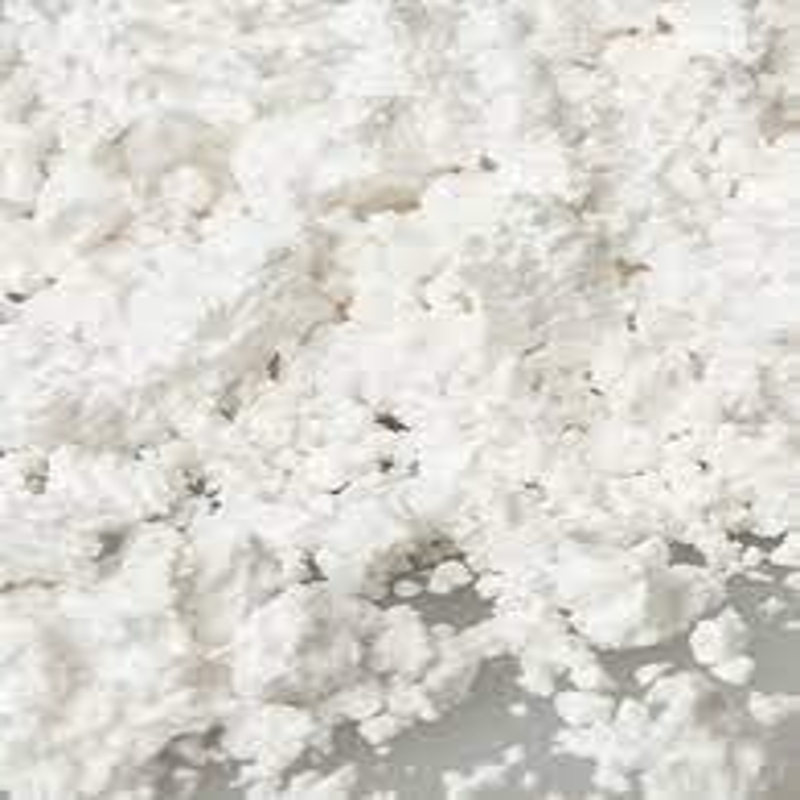
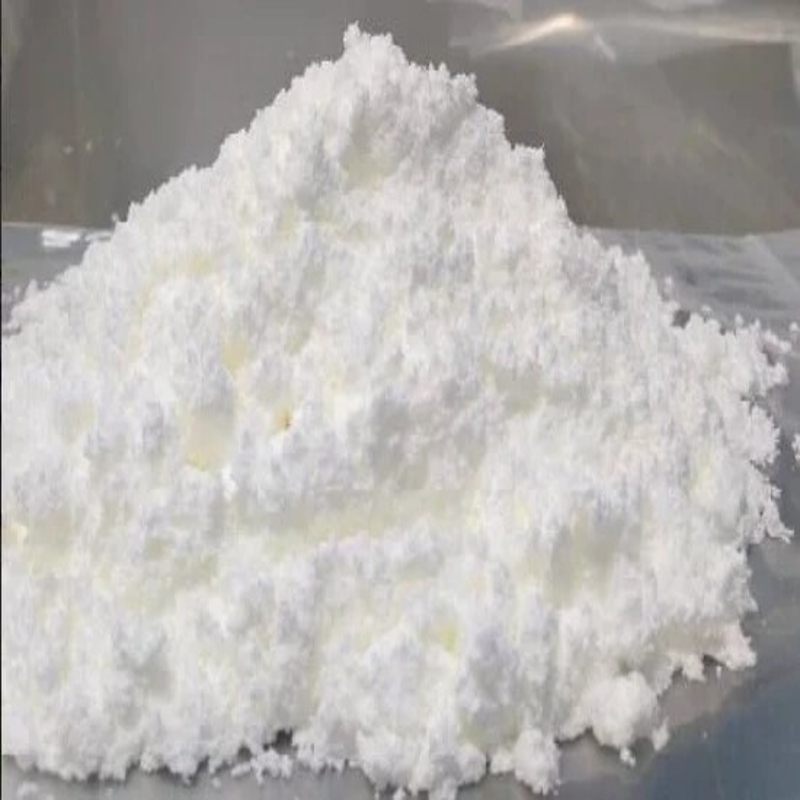
    Odourless, colourless or white crystals or powder

    Density:

    2.4±0.1 g/cm3

    Boiling Point:

    905.4±75.0 °C at 760 mmHg

    Flash Point:

    501.4±37.1 °C

    Refractive Index:

    1.918

    Water Solubility:

    Freely soluble in water, slightly soluble in ethanol

    Storage Conditions:

    −20°C

    PH:

    Between 1,0 and 2,0 (5 % solution)

    PKA:

    2.4None

    Hazard Identification

    Classification of the substance or mixture

    no data available

    GHS label elements, including precautionary statements

    Pictogram(s) no data available
    Signal word

    no data available

    Hazard statement(s)

    no data available

    Precautionary statement(s)
    Prevention

    no data available

    Response

    no data available

    Storage

    no data available

    Disposal

    no data available

    Other hazards which do not result in classification

    no data available

    Handling and Storage

    Precautions for safe handling

    Handling in a well ventilated place. Wear suitable protective clothing. Avoid contact with skin and eyes. Avoid formation of dust and aerosols. Use non-sparking tools. Prevent fire caused by electrostatic discharge steam.

    Conditions for safe storage, including any incompatibilities

    Store the container tightly closed in a dry, cool and well-ventilated place. Store apart from foodstuff containers or incompatible materials.

  • Seller Information
    Business Type:

    Distributor

    Main Products:

    Sodium Lauryl Ether Sulfate,Caustic Soda,Soda Ash,Citric Acid,Calcium Hypochlorite,Oxalic Acid

    Location:

    13 PROTEA PARK MILKWOOD STREET RANGEVIEW GAUTENG 1739

    Payment Terms:

    TT against copy of documents,TT against B/L draft before shipment

    Average lead Time:

    60

    Total Annual Revenue:

    $1 million-$2.5 million

    Total Employees:

    11-50

    Year of Establishment:

    2012

  • Country Product Purchase Quantity Date Posted
    Post an enquiry for this product
pic ×

Scan the QR Code to Share

All products displayed on this website are only for non-medical purposes such as industrial applications or scientific research, and cannot be used for clinical diagnosis or treatment of humans or animals. They are not medicinal or edible.

According to relevant laws and regulations and the regulations of this website, units or individuals who purchase hazardous materials should obtain valid qualifications and qualification conditions.

The information shown above is provided by the enterprise itself, and the authenticity, accuracy and legitimacy of the content are the responsibility of the publishing company. ECHEMI does not bear any guarantee responsibility for this. Please be aware that risks in internet transactions objectively exist.

Feedback & Suggestions
Send Message

Thank you for your feedback. If you require further assistance, please contact us by email at info@echemi.com or call us at +86-532-55729510.