Product
Supplier
Encyclopedia
Inquiry
Home > Specialty Chemicals > 2,2-Bis(4-hydroxyphenyl)propane for Sale > 2,2-Bis CAS NO (4-hydroxyphenyl)propane (80-05-7) AVAILABLE AT LOW PRICE
2,2-Bis CAS NO (4-hydroxyphenyl)propane (80-05-7) AVAILABLE AT LOW PRICE buy - large image1
2,2-Bis CAS NO (4-hydroxyphenyl)propane (80-05-7) AVAILABLE AT LOW PRICE buy - image1
2,2-Bis CAS NO (4-hydroxyphenyl)propane (80-05-7) AVAILABLE AT LOW PRICE buy - image2
2,2-Bis CAS NO (4-hydroxyphenyl)propane (80-05-7) AVAILABLE AT LOW PRICE buy - image3
2,2-Bis CAS NO (4-hydroxyphenyl)propane (80-05-7) AVAILABLE AT LOW PRICE buy - image4
2,2-Bis CAS NO (4-hydroxyphenyl)propane (80-05-7) AVAILABLE AT LOW PRICE buy - image5
2,2-Bis CAS NO (4-hydroxyphenyl)propane (80-05-7) AVAILABLE AT LOW PRICE buy - image6

2,2-Bis CAS NO (4-hydroxyphenyl)propane (80-05-7) AVAILABLE AT LOW PRICE

21 Inquiries

Unit Price: Get Latest Price
CAS No.:

80-05-7

Grade:

Industrial Grade

Content:

99%

Port:

Durban

Brand:

Custom

Packaging:

As per customer requirement

Price valid (until):

2024-05-28

Company Type:
Distributor
Location:
South Africa
Qualification:
Main Products:

Sodium Lauryl Ether Sulfate,Caustic Soda,Soda Ash,Citric Acid,Calcium Hypochlorite,Oxalic Acid

  • Product Description

  • Seller Information

  • Inquiry History

  • Description


      Product Detail  


    1. The Versatile Backbone: A Comprehensive Look at 2,2-Bis(4-hydroxyphenyl)propane (80-05-7)

    2,2-Bis(4-hydroxyphenyl)propane, commonly known as bisphenol A (BPA), serves as the fundamental backbone of numerous industrial materials, ranging from polycarbonate plastics to epoxy resins. Its molecular structure, characterized by two hydroxyphenyl groups linked by a central carbon atom, imbues these materials with remarkable durability, transparency, and versatility.

    2. Unveiling the Chemical Architect: Exploring the Molecular Composition of 2,2-Bis(4-hydroxyphenyl)propane (CAS 80-05-7)

    At the molecular level, 2,2-Bis(4-hydroxyphenyl)propane emerges as a symphony of carbon, hydrogen, and oxygen atoms intricately arranged to form a robust and resilient structure. This chemical architecture underpins its widespread use in the synthesis of polymers and resins, driving innovation across various industries.

    3. The Foundation of Modern Materials: Understanding the Role of 2,2-Bis(4-hydroxyphenyl)propane (80-05-7) in Industrial Applications

    As a cornerstone of modern materials science, 2,2-Bis(4-hydroxyphenyl)propane lays the groundwork for the production of polycarbonate plastics and epoxy resins. Its unique molecular properties impart exceptional strength, heat resistance, and chemical stability to these materials, making them indispensable in countless consumer products and industrial processes.

    4. Navigating the Complexities: Deciphering the Chemistry of 2,2-Bis(4-hydroxyphenyl)propane (CAS 80-05-7)

    The chemical synthesis of 2,2-Bis(4-hydroxyphenyl)propane involves meticulous manipulation of precursor molecules to assemble its distinctive molecular structure. This intricate process requires a deep understanding of organic chemistry principles and precise control over reaction conditions to ensure the production of high-quality BPA for use in diverse applications.

    5. Beyond the Surface: Exploring the Applications and Impact of 2,2-Bis(4-hydroxyphenyl)propane (80-05-7)

    From durable plastics to resilient coatings, the applications of 2,2-Bis(4-hydroxyphenyl)propane extend far beyond its molecular structure. Its versatility and performance characteristics make it a preferred choice for manufacturers seeking to enhance the functionality and longevity of their products, driving innovation and efficiency in a wide range of industries.

    6. The Evolution of BPA: Tracing the History and Development of 2,2-Bis(4-hydroxyphenyl)propane (CAS 80-05-7)

    The history of 2,2-Bis(4-hydroxyphenyl)propane is intertwined with the evolution of modern materials science and industrial chemistry. From its discovery to its widespread adoption in commercial applications, BPA has played a central role in shaping the materials landscape and fueling technological advancements that continue to redefine our world.

    7. Bridging Science and Society: Examining the Controversies and Considerations Surrounding 2,2-Bis(4-hydroxyphenyl)propane (80-05-7)

    Despite its ubiquitous presence in everyday products, 2,2-Bis(4-hydroxyphenyl)propane has garnered attention for its potential health and environmental impacts. Controversies surrounding BPA have prompted regulatory scrutiny and prompted efforts to develop safer alternatives. Balancing the benefits of BPA with its potential risks requires careful consideration of scientific evidence and societal values.

    8. Innovating Responsibly: Advancing Sustainable Practices in the Production and Use of 2,2-Bis(4-hydroxyphenyl)propane (CAS 80-05-7)

    As concerns over the environmental and health implications of BPA continue to grow, stakeholders across industries are exploring sustainable alternatives and adopting responsible practices to mitigate risks. From green chemistry initiatives to eco-friendly product design, efforts to minimize the impact of 2,2-Bis(4-hydroxyphenyl)propane on the planet and its inhabitants are driving innovation and shaping the future of materials science.

    9. From Lab Bench to Market: Commercializing 2,2-Bis(4-hydroxyphenyl)propane (80-05-7) for Industrial Applications

    The journey from laboratory discovery to commercial production is a testament to the collaborative efforts of scientists, engineers, and industry partners. Transforming 2,2-Bis(4-hydroxyphenyl)propane from a theoretical concept into a practical solution requires rigorous research, development, and scale-up processes to ensure its viability and efficacy in real-world applications.

    10. A Catalyst for Change: Embracing Innovation and Responsibility in the Era of 2,2-Bis(4-hydroxyphenyl)propane (CAS 80-05-7)

    As we navigate the complexities of a rapidly changing world, 2,2-Bis(4-hydroxyphenyl)propane serves as a catalyst for innovation and responsibility. By embracing new technologies, fostering collaboration, and prioritizing sustainability, we can harness the transformative potential of BPA while minimizing its environmental and health impacts, creating a brighter future for generations to come.


      Specifications  


    Items Specifications
    Chemical Formula C₁₅H₁₆O₂
    Molecular Weight 228.29 g/mol
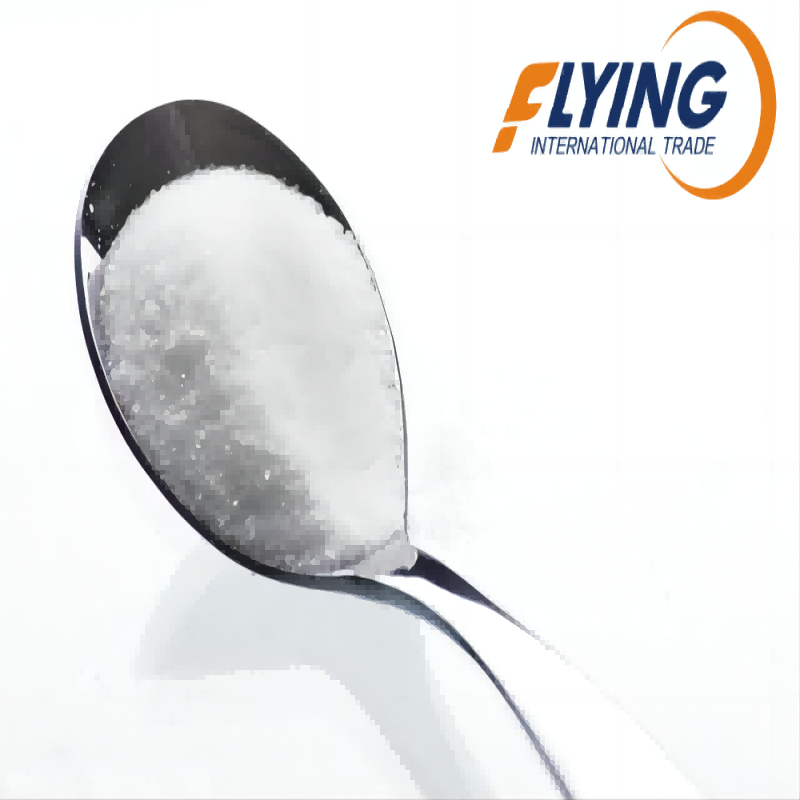
    Appearance White crystalline powder
    Melting Point 155-158°C
    Boiling Point 220-225°C
    Density 1.2 g/cm³
    Solubility in Water Insoluble
    Solubility in Organic Solvents Soluble in most organic solvents
    Flash Point >250°C
    Autoignition Temperature >400°C
    Hazard Class Not classified
    Storage Conditions Store in a cool, dry, well-ventilated area
    Stability Stable under normal conditions
    Uses Mainly used as a monomer in the production of polycarbonate plastics


      Product Detail  


    Shop Factory Price 2,2-Bis(4-hydroxyphenyl)propane CAS NO (80-05-7) In bulk-Detailed Image 1Shop Factory Price 2,2-Bis(4-hydroxyphenyl)propane CAS NO (80-05-7) In bulk-Detailed Image 2Shop Factory Price 2,2-Bis(4-hydroxyphenyl)propane CAS NO (80-05-7) In bulk-Detailed Image 3Shop Factory Price 2,2-Bis(4-hydroxyphenyl)propane CAS NO (80-05-7) In bulk-Detailed Image 4Shop Factory Price 2,2-Bis(4-hydroxyphenyl)propane CAS NO (80-05-7) In bulk-Detailed Image 5

    Basic Info
    Product Name:

    2,2-Bis(4-hydroxyphenyl)propane

    Other Name:

    Phenol,4,4′-(1-methylethylidene)bis-;Phenol,4,4′-isopropylidenedi-;4,4′-(1-Methylethylidene)bis[phenol];2,2-Bis(p-hydroxyphenyl)propane;2,2-Bis(4-hydroxyphenyl)propane;Bisphenol A;Dian;2,2-Di(4-phenylol)propane;p,p′-Isopropylidenebisphenol;p,p′-Isopropylidenediphenol;Diphenylolpropane;Bis(4-hydroxyphenyl)dimethylmethane;Diano;Pluracol 245;Isopropylidenebis(4-hydroxybenzene);(4,4′-Dihydroxydiphenyl)dimethylmethane;β,β′-Bis(p-hydroxyphenyl)propane;4,4′-Isopropylidenebis[phenol];Bis(p-hydroxyphenyl)propane;4,4′-Isopropylidenediphenol;Parabis A;p,p′-Dihydroxydiphenylpropane;p,p′-Bisphenol A;Ipognox 88;Rikabanol;Parabis;2,2-Di(4-hydroxyphenyl)propane;BPA 154;Hidorin F 285;BPA 157;2,2′-Bis(4-hydroxyphenyl)propane;4,4′-Methylethylidenebisphenol;B 0494;NSC 1767;NSC 17959;HT 3082;BPA;BPA-M;Hidorin F 568;4,4′-(Propane-2,2-diyl)diphenol;Nupole BPE-60;HG 3876;27360-89-0;28106-82-3;37808-08-5;137885-53-1;146479-75-6;1429425-26-2

    CAS No.:

    80-05-7

    Molecular Formula:

    C15H16O2

    InChIKeys:

    InChIKey=IISBACLAFKSPIT-UHFFFAOYSA-N

    Molecular Weight:

    228.29

    Exact Mass:

    228.29

    BRN:

    1107700

    EC Number:

    201-245-8

    HScode:

    29072300

    Categories:

    Characteristics
    PSA:

    40.46000

    XLogP3:

    3.43

    Appearance:

    Clear light yellow to light orange Liquid

    Density:

    1.195 g/cm3 @ Temp: 25 °C

    Melting Point:

    150-155 °C

    Boiling Point:

    220 °C @ Press: 4 Torr

    Flash Point:

    227 °C

    Refractive Index:

    1.599

    Water Solubility:

    H2O: <0.1 g/100 mL at 21.5 ºC

    Storage Conditions:

    Refrigerator

    Vapor Pressure:

    <1 Pa (25 °C)

    Toxicity:

    LC50 (96 hr) in fathead minnow, rainbow trout: 4600, 3000-3500 mg/l (Staples)

    Odor:

    Mild phenolic odor

    Hazard Identification

    Classification of the substance or mixture

    Serious eye damage, Category 1

    Skin sensitization, Category 1

    Specific target organ toxicity – single exposure, Category 3

    Reproductive toxicity, Category 1B

    GHS label elements, including precautionary statements

    Pictogram(s)

    Signal word

    Danger

    Hazard statement(s)

    H318 Causes serious eye damage

    H317 May cause an allergic skin reaction

    H335 May cause respiratory irritation

    Precautionary statement(s)
    Prevention

    P280 Wear protective gloves/protective clothing/eye protection/face protection/hearing protection/...

    P261 Avoid breathing dust/fume/gas/mist/vapours/spray.

    P272 Contaminated work clothing should not be allowed out of the workplace.

    P271 Use only outdoors or in a well-ventilated area.

    P203 Obtain, read and follow all safety instructions before use.

    Response

    P305+P354+P338 IF IN EYES: Immediately rinse with water for several minutes. Remove contact lenses, if present and easy to do. Continue rinsing.

    P317 Get medical help.

    P302+P352 IF ON SKIN: Wash with plenty of water/...

    P333+P317 If skin irritation or rash occurs: Get medical help.

    P321 Specific treatment (see ... on this label).

    P362+P364 Take off contaminated clothing and wash it before reuse.

    P304+P340 IF INHALED: Remove person to fresh air and keep comfortable for breathing.

    P319 Get medical help if you feel unwell.

    P318 IF exposed or concerned, get medical advice.

    Storage

    P403+P233 Store in a well-ventilated place. Keep container tightly closed.

    P405 Store locked up.

    Disposal

    P501 Dispose of contents/container to an appropriate treatment and disposal facility in accordance with applicable laws and regulations, and product characteristics at time of disposal.

    Other hazards which do not result in classification

    no data available

    Handling and Storage

    Precautions for safe handling

    NO open flames. Closed system, ventilation, explosion-proof electrical equipment and lighting. Prevent deposition of dust. Handling in a well ventilated place. Wear suitable protective clothing. Avoid contact with skin and eyes. Avoid formation of dust and aerosols. Use non-sparking tools. Prevent fire caused by electrostatic discharge steam.

    Conditions for safe storage, including any incompatibilities

    Separated from acid anhydrides, acid chlorides, strong oxidants, strong bases and food and feedstuffs. Store in an area without drain or sewer access.Safe Storage: Separated from acid anhydrides, acid chlorides, strong oxidants, strong bases and food and feedstuffs. Store in an area without drain or sewer access.

  • Seller Information
    Business Type:

    Distributor

    Main Products:

    Sodium Lauryl Ether Sulfate,Caustic Soda,Soda Ash,Citric Acid,Calcium Hypochlorite,Oxalic Acid

    Location:

    13 PROTEA PARK MILKWOOD STREET RANGEVIEW GAUTENG 1739

    Payment Terms:

    TT against copy of documents,TT against B/L draft before shipment

    Average lead Time:

    60

    Total Annual Revenue:

    $1 million-$2.5 million

    Total Employees:

    11-50

    Year of Establishment:

    2012

  • Inquiry History
    21 Inquiries
    Country Product Purchase Quantity Date Posted
    India

    BISPHENOL

    27 MT Dec 10, 2025
    India

    BPA tar Binder

    2 20' Fcl Dec 9, 2024
    Kuwait

    Bis Phenol-A

    250 G Aug 22, 2024
    India

    Bis Phenol A Tar

    1 20' Fcl Mar 18, 2024
    United Arab Emirates

    Bisphenol A

    2000 MT Jan 16, 2024
    Turkey

    BPA

    500 MT Nov 1, 2023
    India

    Bisphenol A

    200 MT Aug 23, 2023
    India

    BPA TAR ( Bisphenol A Tar)

    1.00 20' Fcl Jul 29, 2026
    Turkey

    Bis Phenol A

    100 MT Sep 22, 2025
    United Arab Emirates

    B.P.A.BISPHENOL- A

    1000 KG Aug 4, 2025
    India

    BISPHENOL A

    2000 MT Jul 26, 2025
    United States

    Bisphenol A

    625 MT Feb 14, 2025
    India

    Bisphenol A

    21 MT Mar 23, 2024
    China

    BPA

    25 MT Jan 28, 2024
    Turkey

    bpa

    1000 MT Nov 1, 2023
    India

    Bisphenol a

    1 40' Fcl Feb 28, 2026
    India

    BISPHENOL

    1 20' Fcl Dec 11, 2025
    South Korea

    Bisphenol A Tar

    300 MT May 15, 2025
    India

    Bpa tar

    20 MT Mar 5, 2025
    India

    BPA TAR

    40.00 TON Jan 2, 2025
    • 1
    • 2
    • Go to Page Go
    Post an enquiry for this product
pic ×

Scan the QR Code to Share

All products displayed on this website are only for non-medical purposes such as industrial applications or scientific research, and cannot be used for clinical diagnosis or treatment of humans or animals. They are not medicinal or edible.

According to relevant laws and regulations and the regulations of this website, units or individuals who purchase hazardous materials should obtain valid qualifications and qualification conditions.

The information shown above is provided by the enterprise itself, and the authenticity, accuracy and legitimacy of the content are the responsibility of the publishing company. ECHEMI does not bear any guarantee responsibility for this. Please be aware that risks in internet transactions objectively exist.

Feedback & Suggestions
Send Message

Thank you for your feedback. If you require further assistance, please contact us by email at info@echemi.com or call us at +86-532-55729510.