






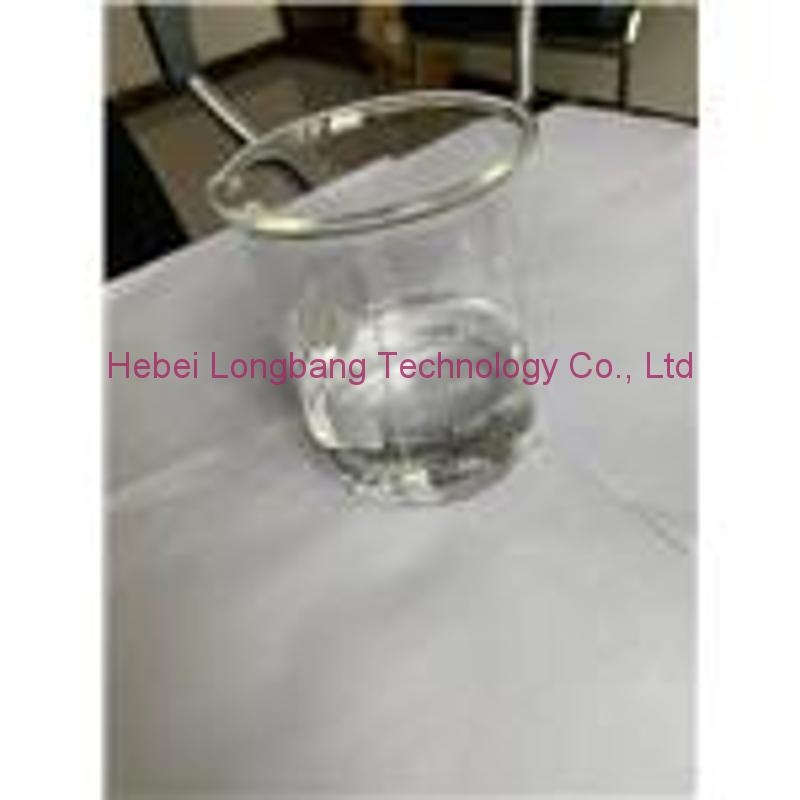


Cas no. 760-93-0 Methacrylic anhydride used for the synthesis of photocurable coatings, cross-linked resins and other materials
10 Inquiries
760-93-0
Chemical Grade
99%
Tianjin
longbang
25kg/Drum
Yes
2024-08-25

chemical
-
Product Description
-
Seller Information
-
Inquiry History
-
DescriptionECHEMI Editorial Referenceliquid
Methacrylic anhydride is a liquid. (EPA, 1998)|Liquid
Methacrylic anhydride is a liquid. (EPA, 1998)Basic Info-
Product Name:
Methacrylic anhydride
Other Name:2-Propenoic acid,2-methyl-,1,1′-anhydride;Methacrylic anhydride;2-Propenoic acid,2-methyl-,anhydride;Methacrylic acid anhydride;Methacryloyl anhydride;NSC 24159;Bis(methacrylic acid) anhydride;Dimethacrylic acid anhydride;Norsocryl 500;2-Methylprop-2-enoyl 2-methylprop-2-enoate;1801647-10-8;2055573-68-5
CAS No.:760-93-0
Molecular Formula:C8H10O3
InChIKeys:InChIKey=DCUFMVPCXCSVNP-UHFFFAOYSA-N
Molecular Weight:154.165
Exact Mass:154.16
EC Number:212-084-8
UNII:N2RJR03340
NSC Number:24159
UN Number:3265|2531
HScode:2916190090
Categories:
Characteristics-
PSA:
43.4
XLogP3:1.82
Appearance:Methacrylic anhydride is a liquid. (EPA, 1998)
Density:1.035 g/cm3
Melting Point:-20°C
Boiling Point:89 °C @ Press: 5 Torr
Flash Point:84.4±0.0 °C
Refractive Index:1.443
Water Solubility:> 10% in ethanol
Storage Conditions:Temp during storage must be kept low to minimize formation of peroxides and other oxidation products.
Air and Water Reactions:Reacts exothermically with water to form methacrylic acid.
Reactive Group:Hydrocarbons, Aliphatic Unsaturated
Reactivity Alerts:Water-Reactive
Reactivity Profile:METHACRYLIC ANHYDRIDE reacts exothermically with water. The reactions are sometimes slow, but can become violent when local heating accelerates their rate. Acids accelerate the reaction with water. Incompatible with acids, strong oxidizing agents, alcohols, amines, and bases.
Hazard IdentificationClassification of the substance or mixture
Acute toxicity - Category 4, Oral
Skin irritation, Category 2
Skin sensitization, Category 1
Serious eye damage, Category 1
Acute toxicity - Category 4, Inhalation
Specific target organ toxicity â single exposure, Category 3
GHS label elements, including precautionary statements
Pictogram(s) 

Signal word Danger
Hazard statement(s) H302 Harmful if swallowed
H315 Causes skin irritation
H317 May cause an allergic skin reaction
H318 Causes serious eye damage
H332 Harmful if inhaled
H335 May cause respiratory irritation
Precautionary statement(s) Prevention P264 Wash ... thoroughly after handling.
P270 Do not eat, drink or smoke when using this product.
P280 Wear protective gloves/protective clothing/eye protection/face protection/hearing protection/...
P261 Avoid breathing dust/fume/gas/mist/vapours/spray.
P272 Contaminated work clothing should not be allowed out of the workplace.
P271 Use only outdoors or in a well-ventilated area.
Response P301+P317 IF SWALLOWED: Get medical help.
P330 Rinse mouth.
P302+P352 IF ON SKIN: Wash with plenty of water/...
P321 Specific treatment (see ... on this label).
P332+P317 If skin irritation occurs: Get medical help.
P362+P364 Take off contaminated clothing and wash it before reuse.
P333+P317 If skin irritation or rash occurs: Get medical help.
P305+P354+P338 IF IN EYES: Immediately rinse with water for several minutes. Remove contact lenses, if present and easy to do. Continue rinsing.
P317 Get medical help.
P304+P340 IF INHALED: Remove person to fresh air and keep comfortable for breathing.
P319 Get medical help if you feel unwell.
Storage P403+P233 Store in a well-ventilated place. Keep container tightly closed.
P405 Store locked up.
Disposal P501 Dispose of contents/container to an appropriate treatment and disposal facility in accordance with applicable laws and regulations, and product characteristics at time of disposal.
Other hazards which do not result in classification
no data available
Handling and StoragePrecautions for safe handling
Handling in a well ventilated place. Wear suitable protective clothing. Avoid contact with skin and eyes. Avoid formation of dust and aerosols. Use non-sparking tools. Prevent fire caused by electrostatic discharge steam.
Conditions for safe storage, including any incompatibilities
Temp during storage must be kept low to minimize formation of peroxides and other oxidation products. ... Storage temp below 30 deg C are recommended for the polyfunctional methacrylates. ... The methacrylate monomers should not be stored for longer than one year. Shorter storage times are recommended for the aminomethacrylates, ie, three months, and the polyfunctional methacrylates, ie, six months. Many of these cmpd are sensitive to UV light and should, therefore, be stored in the dark. The methacrylic esters may be stored in mild steel, stainless steel, or aluminum. Methacrylic acid & derivatives
-
-
Seller Information
-
Business Type:
Trader
-
Main Products:
chemical
-
Location:
1803-1, Block A, Huaqiang Plaza, 77 Minzu Road, Xinhua District, Shijiazhuang City, Hebei Province, China
-
Payment Terms:
TT against copy of documents,L/C,TT against B/L draft before shipment,100% TT in advance
-
Average lead Time:
15 days
-
Total Annual Revenue:
$5 million-$10 million
-
Total Employees:
51-100
-
Year of Establishment:
2023
-
-
Inquiry History10 Inquiries
Country Product Purchase Quantity Date Posted  United States
Methacrylic Anhydride
3 MT Aug 8, 2024  Egypt
Egypt
methacrykic anhydride
20 G Feb 1, 2025  India
India
Methacrylic anhydride
30 MT Oct 16, 2026  Pakistan
methacrylic anhydride
10 MG May 6, 2026  Hongkong, China
Methacrylic anhydride
20 MT Feb 9, 2026
India
Methacrylic anhydride
5.00 KG Aug 19, 2024
India
Methacrylic anhydride
30 MT Oct 16, 2026
Pakistan
Methacrylic anhydride
10 May 6, 2026
India
METHACRYLIC ANHYDRIDE
10 MT Jul 26, 2024
India
METHACRYLIC ANHYDRIDE
10 MT Jan 8, 2024 Post an enquiry for this product


More from this Seller
-
-

-
10191-41-0 DL-α-Tocopherol
Chemical Grade / 99%
-


