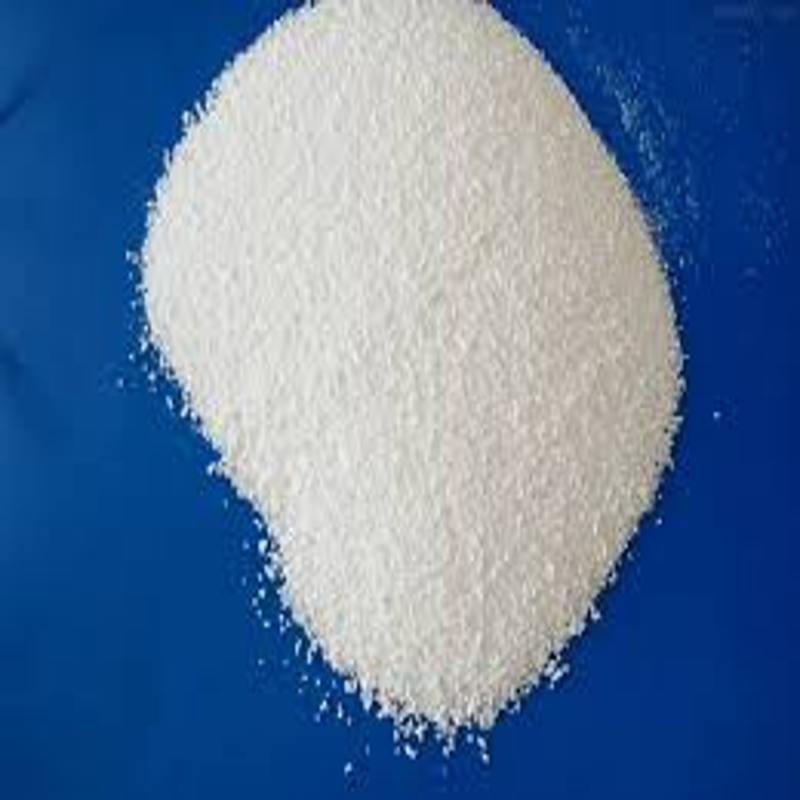
L-Glutamic acid is an amino acid that is widely used in both biological processes and as a food additive. It plays a significant role in metabolism and is the precursor to glutamate, a neurotransmitter that is critical for brain function.
Key Information about L-Glutamic Acid:
- Chemical Formula: C₅H₉NO₄
- CAS Number: 56-86-0
- IUPAC Name: 2-Aminopentanedioic acid
- Molecular Weight: 147.13 g/mol
Structure:
L-Glutamic acid is an α-amino acid with the following structure:
- It has an amino group (-NH₂) at one end, a carboxyl group (-COOH) at the other, and a side chain that contains another carboxyl group (making it a dicarboxylic amino acid).
It exists as a zwitterion in solution, meaning it has both positive and negative charges on different parts of the molecule.
Occurrence:
L-Glutamic acid is found in many proteins and is abundant in foods like tomatoes, cheese, and certain meats. It is an essential amino acid for protein synthesis and a building block of many important compounds in the body, particularly in the synthesis of other amino acids and neurotransmitters.
Uses of L-Glutamic Acid:
-
Food Industry:
- Flavor Enhancer (Monosodium Glutamate - MSG): L-glutamic acid is used to produce monosodium glutamate (MSG), which is commonly used as a flavor enhancer in foods such as soups, snacks, processed meats, and sauces. MSG provides the savory taste known as "umami."
- Natural Flavoring: L-glutamic acid itself is sometimes used as a natural seasoning, and in food formulations, it is valued for its contribution to the overall flavor profile of foods.
-
Pharmaceuticals:
- L-Glutamic acid is involved in neurotransmitter function as it is converted into glutamate, which is the main excitatory neurotransmitter in the brain. It plays a vital role in cognitive functions such as learning and memory.
- It is also used in the treatment of certain medical conditions like neurodegenerative diseases, as glutamate regulation is an important therapeutic target.
-
Biochemical Research:
- L-Glutamic acid is essential in various biochemical pathways, such as the Krebs cycle (a central metabolic pathway). It is used in laboratory research for protein synthesis and as a building block for other biomolecules.
-
Animal Feed:
- L-Glutamic acid is used in animal nutrition, particularly for enhancing the palatability and nutritional value of animal feeds. It also contributes to animal growth and overall health.
-
Cosmetic and Personal Care Products:
- In some formulations, L-glutamic acid is used for its moisturizing properties and as part of amino acid-based formulations for skincare and haircare products.
Chemical Properties:
- Acid-Base Behavior: L-glutamic acid is a diprotic acid (it has two carboxyl groups that can donate protons) and will exist in different forms depending on the pH of the solution.
- Isoelectric Point: The isoelectric point (the pH at which the molecule has no net charge) of L-glutamic acid is around pH 3.22.
Health and Safety:
- In Food: L-glutamic acid (when used as MSG) is generally recognized as safe (GRAS) by the FDA and is widely consumed in food. However, some people may be sensitive to MSG, experiencing symptoms like headaches, sweating, or chest pain, often referred to as "Chinese Restaurant Syndrome."
- Neurotransmitter Regulation: Glutamate, the anionic form of L-glutamic acid, is involved in excitatory neurotransmission in the brain. Dysregulation of glutamate signaling is implicated in several neurological conditions, including Parkinson's disease, Alzheimer's disease, and schizophrenia.
Environmental Impact:
- L-glutamic acid is biodegradable and poses no significant environmental hazard. As a natural amino acid, it breaks down readily in the environment and does not accumulate in ecosystems.
Summary:
- Chemical Formula: C₅H₉NO₄
- Uses: Food flavoring (MSG), pharmaceutical applications, biochemical research, animal feed
- Properties: Naturally occurring, amino acid, involved in neurotransmission, acid-base properties with two carboxyl groups.
If you need further information about the production, applications, or health effects of L-glutamic acid, feel free to ask!







 business