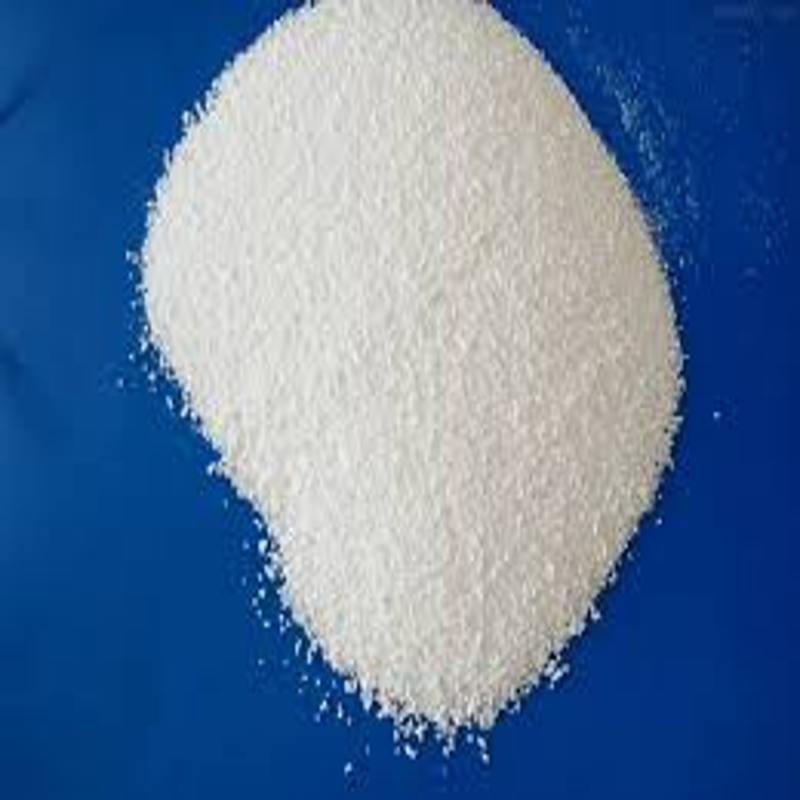
Citric Acid Monohydrate: Product Description
Product Name: Citric Acid Monohydrate
CAS Number: 5949-29-1
Molecular Formula: C₆H₈O₇ · H₂O
Molecular Weight: 210.14 g/mol (including the water molecule)
Appearance:
- White, crystalline powder
- Odorless or faintly sour in odor
Physical Properties:
- Melting Point: 153°C (with dehydration occurring at around 175°C)
- Solubility: Soluble in water (around 590 g/L at 20°C), slightly soluble in ethanol
- pH: Acidic, with a pH of about 2 in a 1% solution
Chemical Properties:
- Citric acid monohydrate is an organic acid with the formula C₆H₈O₇, and a water molecule (H₂O) is included in the crystalline form.
- It is a weak acid and naturally occurs in citrus fruits.
- When heated or in dry conditions, it can lose the water molecule and turn into anhydrous citric acid.
Uses & Applications:
-
Food and Beverage Industry:
- Acidulant & Flavoring: Citric acid monohydrate is commonly used to add a tart or sour taste to food and beverages such as soft drinks, candies, jams, jellies, and fruit-based products.
- Preservative: It helps to preserve foods by lowering the pH and inhibiting the growth of microorganisms.
- pH Adjuster: It is used to regulate acidity in various food products, improving flavor and texture.
-
Cosmetics and Personal Care:
- pH Regulator: It is used to adjust the pH of cosmetics and skincare products such as shampoos, creams, lotions, and soaps.
- Exfoliant: Citric acid is known for its mild exfoliating properties and is sometimes included in formulations like face masks and cleansers.
-
Pharmaceuticals:
- Effervescent Tablets & Syrups: Citric acid is used in the formulation of effervescent tablets, where it reacts with alkaline substances like sodium bicarbonate to release carbon dioxide gas and create fizz.
- Preservative: Used in some pharmaceutical formulations to maintain stability and efficacy.
-
Cleaning and Household Products:
- Descaling Agent: Citric acid is often used as a cleaning agent to remove scale, limescale, and other mineral deposits from household appliances like kettles, dishwashers, and coffee makers.
- Stain Remover: It is used in laundry products to treat stains and soften water.
-
Industrial Applications:
- Water Treatment: Citric acid can help in the removal of mineral deposits in industrial water systems.
- Metal Cleaning: It is used in various metal cleaning applications due to its chelating properties, which allow it to bind with metals.
Packaging:
Citric acid monohydrate is typically available in the following packaging sizes:
- 25 kg bags (common for industrial and large-scale applications)
- 1 kg to 5 kg containers (used for smaller-scale or food and cosmetic applications)
- Bulk containers (for larger industrial or manufacturing uses)
Safety Information:
- Storage: Store in a cool, dry place, away from direct sunlight and moisture to prevent degradation. Ensure the container is tightly sealed.
- Handling: Use protective gloves and goggles when handling large quantities, as citric acid can cause irritation to skin and eyes upon prolonged exposure. It is important to avoid inhaling the dust.
- First Aid Measures:
- Inhalation: Move to fresh air if inhaled in large amounts. Seek medical attention if necessary.
- Skin Contact: Rinse affected area with water. Seek medical attention if irritation persists.
- Eye Contact: Rinse immediately with plenty of water and seek medical attention if irritation develops.
- Ingestion: If large amounts are ingested, seek medical advice immediately.
Regulatory Status:
- FDA (Food and Drug Administration): Citric acid is classified as Generally Recognized As Safe (GRAS) for use in food and beverages.
- European Union: It is approved as a food additive under the E-number E330.
Conclusion:
Citric acid monohydrate is a versatile, widely-used product in various industries. Its ability to function as an acidulant, preservative, pH regulator, and cleaning agent makes it an essential ingredient in food, beverage, personal care, pharmaceutical, and industrial applications.