

99% pure high quality raw material Platinum CAS 7440-06-4 with Best Price
4 Inquiries
7440-06-4
Pharmaceutical Grade
99%
shenzhen
1kg/bag;25kg/Cardboard Drum
Yes
2025-05-12

Estradiol,Progesterone,GS441524,4-Butylresorcinol,DeoxyArbutin,Coenzyme Q10
-
Product Description
-
Seller Information
-
Inquiry History
-
DescriptionECHEMI Editorial ReferencePlatinum is a silvery to whitish-gray metal, that is malleable and ductile (Weast, 1988; Krebs, 2006). It is estimated that the average platinum concentration in the earth’s lithosphere ranges from 0.001 to 0.005 mg/kg (WHO, 1991). It has a vapor pressure of approximately 0mmHg (NIOSH, 2005). Platinum, depending on mining location, is found in sperrylite, cooperite, braggite, and copper–nickel sulfide ores, and in alloys with other members of the platinum group elements (PGE; iridium, osmium, palladium, ruthenium, and rhodium) (Dubiella-Jackowska et al., 2009; Weast, 1988; WHO, 1991). Both elemental platinum and platinum salts are used in industry. Elemental platinum is insoluble in water whereas many of the platinum salts are water soluble to varying degrees, depending on their specific chemical properties (WHO, 1991). Platinum metal is inert and resists corrosion (Krebs, 2006). However, platinum halide salts are considered potent allergens that have a high risk of causing sensitization (Linnett, 2005). Platinum bonds with halogens in its +2 and +4 oxidation state (Krebs, 2006). The charge of the salt and the presence and number of halides, especially chloride, in a complex platinum salt may affect the degree of mammalian sensitivity to a specific salt (Cleare et al., 1976; Mapp et al., 1999; Merget et al., 2000; Ravindra et al., 2004; Pepys, 1980).
Platinum was discovered in Colombia, South America by Ulloa in 1735 and six years later in 1741 by Wood. The metal was isolated from native platinum by Delisle in 1775 and produced in malleable form by Chabaneau in 1786. Wollaston in 1803 developed a method of obtaining pure malleable platinum from crude platinum by extraction with aqua regia. The process led to the discovery of two other platinum group metals, palladium and rhodium, that were found in the aqua regia extract after platinum precipitated. Platinum derived its name from platina originating from the Spanish word plata for silver, because it was thought to be a trivial unwanted material associated with gold in gold mines of Central America.Platinum occurs in nature as a bright-white cubic crystalline solid with metallic luster associated with other noble metals of its group. Platinum also occurs as the mineral sperrylite, PtAs2, found as tin-white brittle cubic crystals containing 52−57% platinum in certain nickel-bearing deposits. Some other minerals of platinum are cooperite PtS (Pt 80-86%); and braggite(Pt, Pd, Ni)S (Pt 58-60%). The abundance of platinum in the earth’s crust is estimated to be 0.005 mg/kg.
silvery gray, lustrous, ductile metal; fcc, a=0.39231nm; also has black powder(s) and spongy mass forms; vapor pressure at mp 0.0187Pa; electrical resistivity, μohm· cm: 10.6 (20°C), 9.85 (0°C); Brinell hardness 97; does not corrode or tarnish; attacked by Cl2 at high temperatures; Poisson’s ratio 0.39; enthalpy of fusion 22.17kJ/mol; used as a catalyst for chemical, automotive, and petroleum industries [KIR82] [HAW93] [MER06] [CRC10]
Platinum is a soft, ductile, malleable, silverwhite metal. It is found in the metallic form and as the arsenide, sperrylite. It forms complex soluble salts, such as Na2PtCl6. It also forms halides. Metallic platinum is insoluble in water. Platinum(IV) chloride is red-brown crystals or powder.
Discovered in South America by Ulloa in 1735 and by Wood in 1741. Platinum was used by pre-Columbian Indians. Platinum occurs native, accompanied by small quantities of iridium, osmium, palladium, ruthenium, and rhodium, all belonging to the same group of metals. These are found in the alluvial deposits of the Ural mountains and in Columbia. Sperrylite (PtAs2), occurring with the nickel-bearing deposits of Sudbury, Ontario, is a source of a considerable amount of metal. The large production of nickel offsets there being only one part of the platinum metals in two million parts of ore. The largest supplier of the platinum group of metals is now South Africa, followed by Russia and Canada. Platinum is a beautiful silvery-white metal, when pure, and is malleable and ductile. It has a coefficient of expansion almost equal to that of soda–lime–silica glass, and is therefore used to make sealed electrodes in glass systems. The metal does not oxidize in air at any temperature, but is corroded by halogens, cyanides, sulfur, and caustic alkalis. It is insoluble in hydrochloric and nitric acid, but dissolves when they are mixed as aqua regia, forming chloroplatinic acid (H2PtCl6), an important compound. Natural platinum contains six isotopes, one of which, 190Pt, is radioactive with a long half-life. Thirtyseven other radioactive isotopes and isomers are recognized. The metal is used extensively in jewelry, wire, and vessels for laboratory use, and in many valuable instruments including thermocouple elements. It is also used for electrical contacts, corrosion-resistant apparatus, and in dentistry. Platinum–cobalt alloys have magnetic properties. One such alloy made of 76.7% Pt and 23.3% Co, by weight, is an extremely powerful magnet that offers a B-H (max) almost twice that of Alnico V. Platinum resistance wires are used for constructing hightemperature electric furnaces. The metal is used for coating missile nose cones, jet engine fuel nozzles, etc., which must perform reliably for long periods of time at high temperatures. The metal, like palladium, absorbs large volumes of hydrogen, retaining it at ordinary temperatures but giving it up at red heat. In the finely divided state platinum is an excellent catalyst, having long been used in the contact process for producing sulfuric acid. It is also used as a catalyst in cracking petroleum products. There is also much current interest in the use of platinum as a catalyst in fuel cells and in its use as antipollution devices for automobiles. Platinum anodes are extensively used in cathodic protection systems for large ships and ocean-going vessels, pipelines, steel piers, etc. Pure platinum wire will glow red hot when placed in the vapor of methyl alcohol. It acts here as a catalyst, converting the alcohol to formaldehyde. This phenomenon has been used commercially to produce cigarette lighters and hand warmers. Hydrogen and oxygen explode in the presence of platinum. The price of platinum has varied widely; more than a century ago it was used to adulterate gold. It was nearly eight times as valuable as gold in 1920. The price in January 2002 was about $430/troy oz. ($15/g), higher than the price of gold.Basic Info-
Product Name:
Platinum
Other Name:Platinum, 1% on activated carbon paste, Type 163;Platinum, 10% on activated carbon paste, Type 128M;Platinum, 5% on activated carbon paste, Type 128M;Platinum, 5% on carbon paste, B501032-5;Platinum, 3% on carbon paste, B103032-3;Platinum, 5% on alumina powder, B301099-5;Platinum, 5% on activated carbon paste, Type 18;Platinum, 5% on carbon paste, B501018-5
CAS No.:7440-06-4
Molecular Formula:Pt
InChIKeys:BASFCYQUMIYNBI-UHFFFAOYSA-N
Molecular Weight:195.08
EC Number:231-116-1
TSCA:TSCA listed
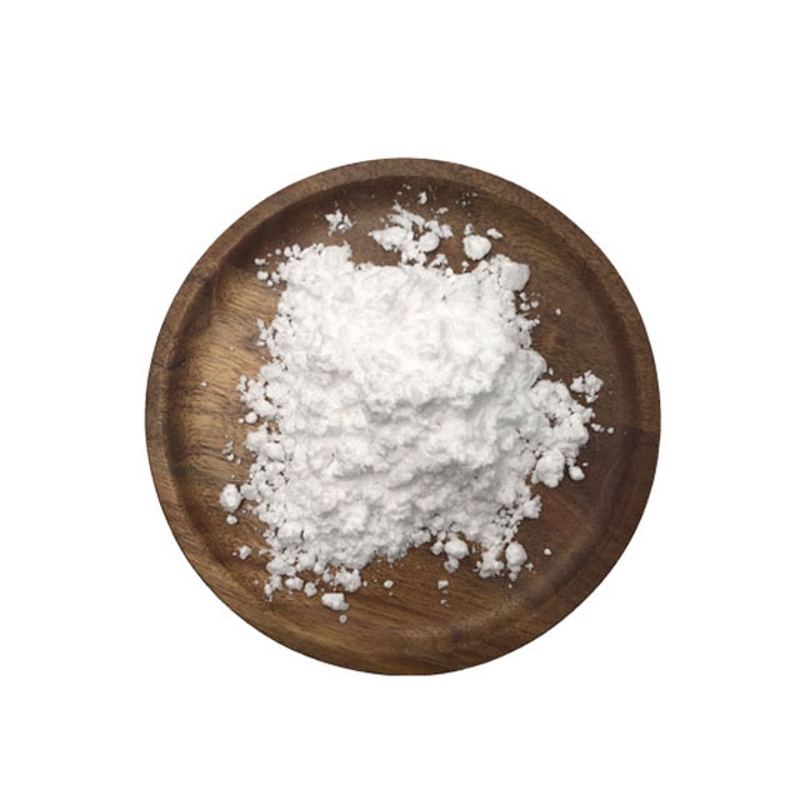
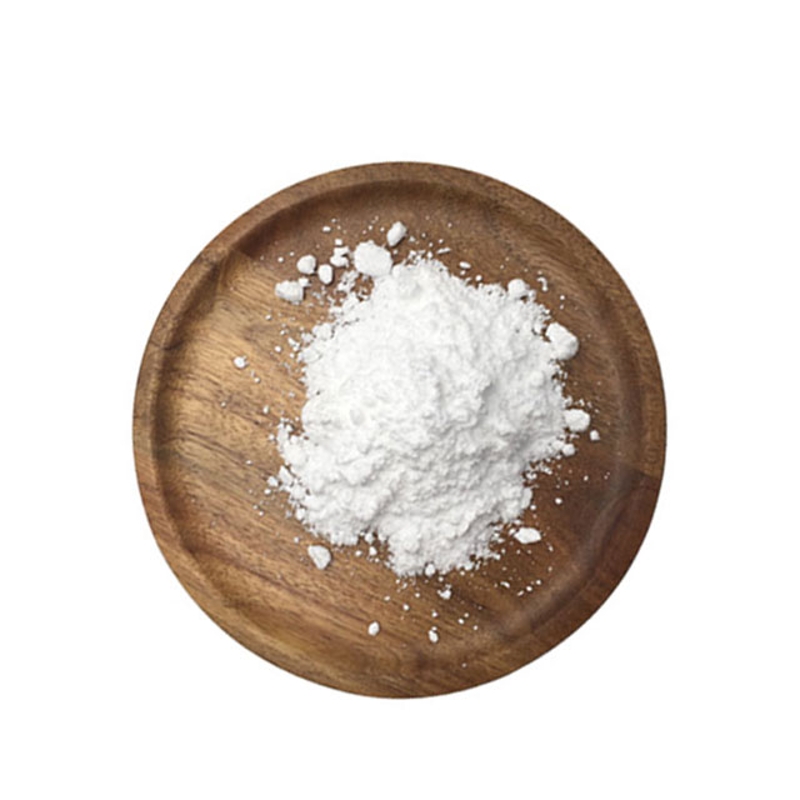
Color/Form:White
HScode:28439000
Categories:
Characteristics-
Physical Properties:
Platinum is classed by tradition and commercial usefulness as a precious metal that is soft,dense, dull, and silvery-white in color, and it is both malleable and ductile and can be formedinto many shapes. Platinum is considered part of the “precious” metals group that includesgold, silver, iridium, and palladium. It is noncorrosive at room temperature and is not solublein any acid except aqua regia. It does not oxidize in air, which is the reason that it is foundin its elemental metallic form in nature. Its melting point is 1,772°C, its boiling point is3,827°C, and its density is 195.09g/cm3.
Density:21.45 g/cm3 (lit.)
Melting Point:1772 °C (lit.)
Boiling Point:3827 °C (lit.)
Refractive Index:n20/D1.347
Water Solubility:Insoluble
Toxicity:While the metal itself is systemically of little concern, its salts are very toxic. The cis-platinum compounds can react with disulfides and amino groups and form adducts with some bases in nucleic acids. Platinum compounds inhibit a few enzymes, including leucine aminopeptidase, and the hydrogenases of malate, alcohol, and lactate. Cisplatin can form crosslinks between strands of DNA.
Flammability characteristics:Non flammable
PH:0.5 (20°C in H2O)
Reactivity Profile:Massive Platinum (lump, ingot, etc.) is generally inert. Dissolves readily in aqua regia (mixture of concentrated hydrochloride and concentrated nitric acids). Reacts rapidly with molten alkali metal oxides and peroxides. Reacts with F2 and Cl2 at red heat. Absorbs large volumes of hydrogen when hot. Catalyzes the exothermic oxidation of ammonia by air. Finely divided Platinum is incompatible with aluminum, acetone, arsenic, ethane, hydrazine, hydrogen peroxide, lithium, phosphorus, selenium, tellurium and many fluorides. Explosion can occur upon contact with hydrogen peroxide. Platinum black, sponge and supported catalysts have strong catalytic activity; can be dangerous to handle in the vicinity of other chemicals on this account. Used Platinum catalysts are particularly dangerous and can cause explosions. Ethanol or methanol can ignite on contact with a Platinum-black catalyst. (Urben 1794).
Critical Temperature & Pressure:2-8°C
Hazard IdentificationClassification of the substance or mixture
Not classified.
GHS label elements, including precautionary statements
Pictogram(s) No symbol. Signal word No signal word
Hazard statement(s) none
Precautionary statement(s) Prevention none
Response none
Storage none
Disposal none
Other hazards which do not result in classification
no data available
Handling and StoragePrecautions for safe handling
Handling in a well ventilated place. Wear suitable protective clothing. Avoid contact with skin and eyes. Avoid formation of dust and aerosols. Use non-sparking tools. Prevent fire caused by electrostatic discharge steam.
Conditions for safe storage, including any incompatibilities
Well closed.
-
-
Seller Information
-
Business Type:
Trader
-
Main Products:
Estradiol,Progesterone,GS441524,4-Butylresorcinol,DeoxyArbutin,Coenzyme Q10
-
Location:
XINYUAN DADUHUI PHASE 1, NO.258 TAOYUAN NORTH ROAD, LIANHU DISTRICT, XI 'AN , SHAANXI CHINA
-
Payment Terms:
TT against copy of documents,100% TT in advance
-
Average lead Time:
30 days
-
Total Annual Revenue:
$2.5 million-$5 million
-
Total Employees:
11-50
-
Year of Establishment:
2023
-
-
Inquiry History4 Inquiries
Country Product Purchase Quantity Date Posted  United States
platium dioxide
1 KG Nov 25, 2025  United Kingdom
Platinum
25 KG Sep 24, 2025  Norway
Platinum on Carbon
15 G Mar 13, 2025  India
India
Platinum 60% on carbon
25 G Nov 1, 2024 Post an enquiry for this product


More from this Seller
-
-

-
Cost-effective sourcing of 99% pure Dimethyl sulfone CAS 67-71-0 raw material
Pharmaceutical Grade / 99%
-
-
-

-
100% Safe customs clearance high quality ABS Resins CAS 9003-56-9 with Best Price ABS Resins
Pharmaceutical Grade / 99%
-
-
-

-
99% pure high quality raw material Octadecan-1-ol CAS 112-92-5 with Best Price
Pharmaceutical Grade / 99%
-
-
-

-
100% Safe customs clearance high quality TYRA-300 CAS 2800223-30-5 with Best Price raw material
Pharmaceutical Grade / 99%
-
-
-

-
100% Safe customs clearance high quality Sodium erythorbate CAS 6381-77-7 with Best Price Sodium erythorbate
Pharmaceutical Grade / 99%
-
-
-

-
100% safe customs clearance, high quality Cilostazol CAS 73963-72-1, the most favorable price
Pharmaceutical Grade / 99%
-



Hot Related Products
-
 Ammonium Chloride 99.5% white powder JD-AC995-FG JD
 -
 xylene 1330207
 -
 Industrial Mixed Isomer Grade Xylene High Purity Organic Industrial Solvent Liquid
 -
 Xylene SSN1330-20-7 LK-SSN
 -
 Xylene 99.9%
 -
 styrene
 -
 Hypophosphorous acid H3PO2 99%6303-21-5
 -
 Vinyl Acetate 99.5% Batong Chemical
 -
 High quality styrene supplier
 -
 Industrial & Feed Grade Ammonium Chloride CAS 12125-01-8 Inorganic Salt