1. Description
Mitoquinone bromide belongs to the anthraquinone alkaloid derivatives, with a molecular core structure of anthraquinone mother nucleus, connecting amino side chains with bromide ions, and forming stable salt compounds through ionic bonding. Compared to the parent compound, the bromide form enhances the polarity and water solubility of the molecule, while retaining the core skeleton active sites of anthraquinone compounds. Its chemical properties are relatively stable, but it is necessary to avoid direct sunlight and high temperature environments.
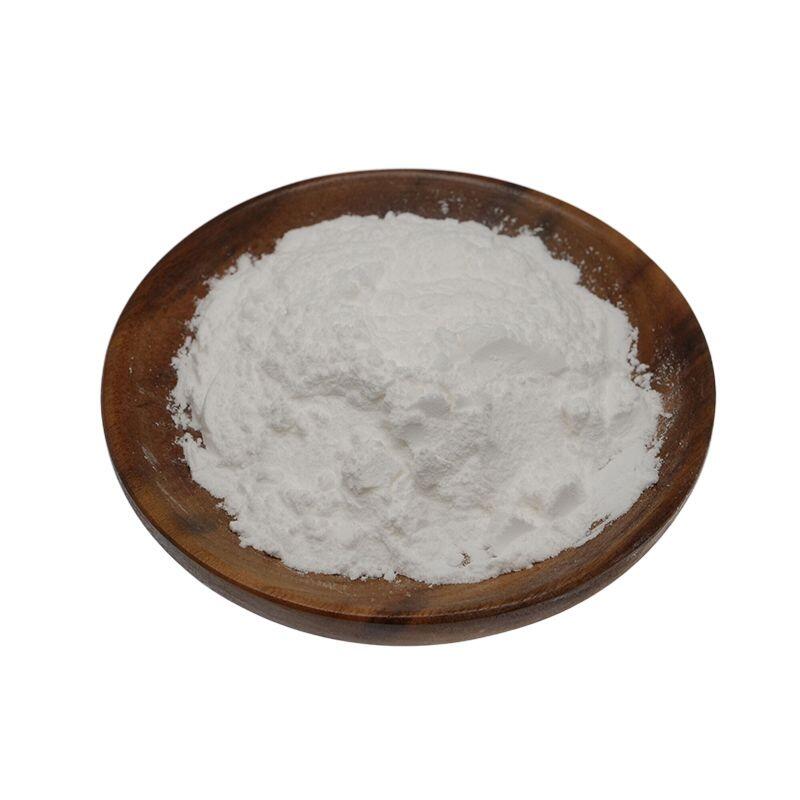
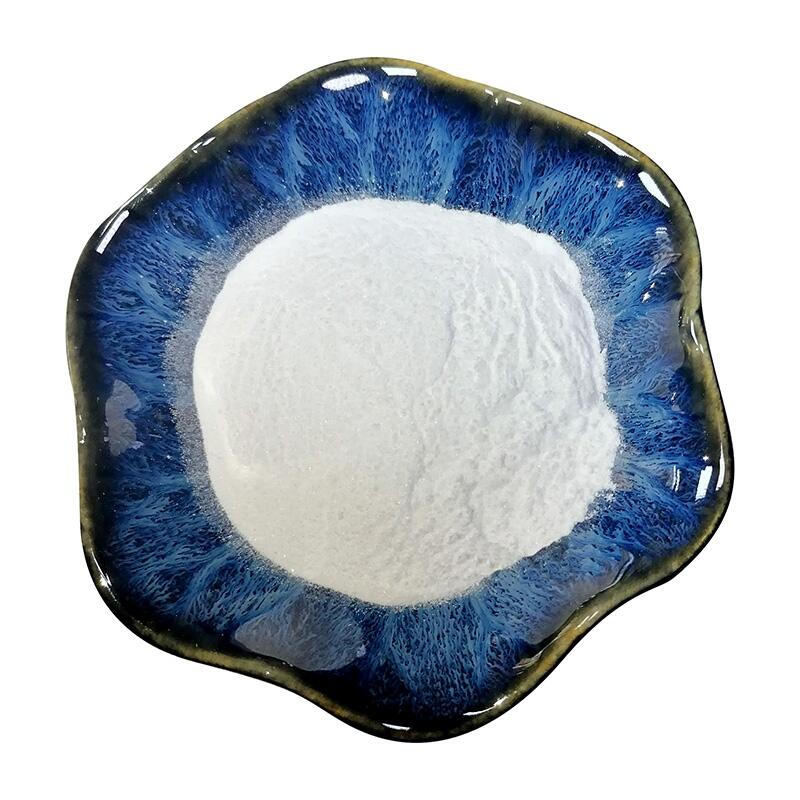
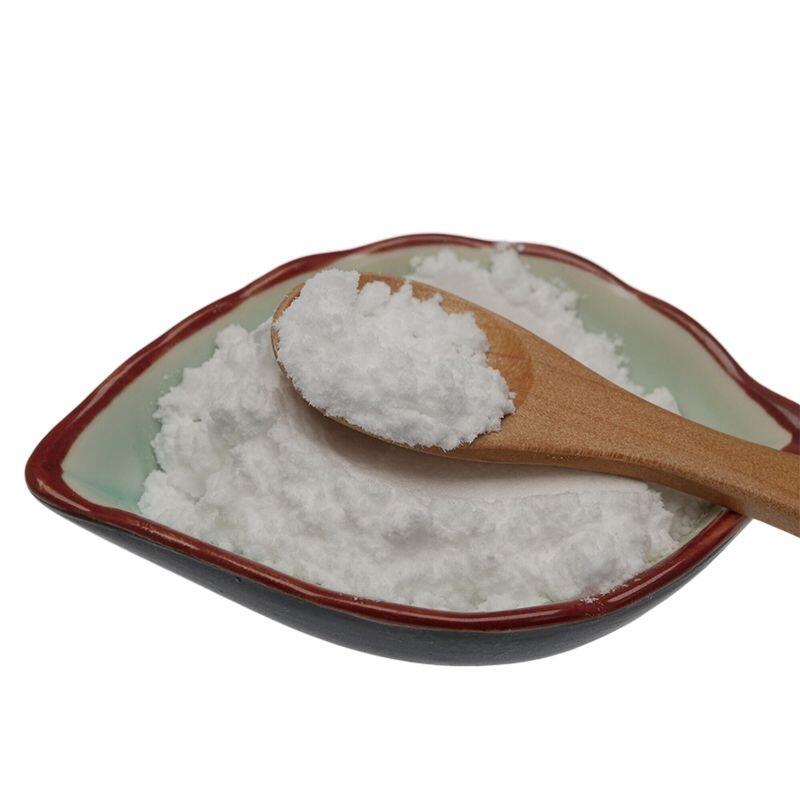
Physical properties: It is a dark blue to purple black crystalline powder at room temperature, with no obvious odor. Its water solubility is significantly higher than that of the parent compound, and it can be dissolved in aqueous systems such as pure water and physiological saline, as well as polar organic solvents such as methanol and dimethyl sulfoxide (DMSO). It is insoluble in non-polar solvents such as n-hexane and ether. Can be stored for a long time under dry, sealed, and dark conditions, avoiding contact with strong oxidants, strong acids, and bases.
2. Application
Medical scientific research field: as a key experimental reagent, it is used to study the mechanism of action of anti-tumor drugs, focusing on solid tumors (such as lung cancer, breast cancer, liver cancer) and hematological tumors (such as leukemia, lymphoma). In scientific research, cell models (such as tumor cell line culture) and animal models are often used to explore their effects on tumor cell proliferation and apoptosis, as well as their synergistic effects with other anti-tumor drugs, providing data support for the development of new anti-tumor drugs.
In the field of drug development, as a potential candidate for anti-tumor drugs, it is used for drug formulation research and optimization, such as preparing injection, liposome, nanoparticle and other dosage forms, to improve the distribution of drugs in the body and reduce toxic side effects. At the same time, it can be used for pharmacokinetic research to analyze its absorption, distribution, metabolism, and excretion processes in the body, providing a preliminary basis for subsequent clinical trials.
In the field of biochemistry research, it is used to explore the interactions between anthraquinone compounds and biomolecules such as DNA and topoisomerases, study their interference mechanisms on DNA replication and transcription processes, and provide experimental tools for understanding the targets and molecular pathways of anthraquinone anti-tumor drugs.
3. Main Efficacy
Antitumor efficacy: The core function is to inhibit tumor cell proliferation and induce apoptosis. The mechanism mainly includes: firstly, embedding into the double helix structure of tumor cell DNA, interfering with the activity of DNA polymerase and topoisomerase II, preventing DNA replication and repair processes, leading to tumor cell cycle arrest in the G2/M phase; The second is the production of reactive oxygen species (ROS), which can cause oxidative stress damage to tumor cells, disrupt cell membrane integrity and organelle function, and ultimately activate the apoptotic signaling pathway.
Targeted effect optimization efficacy: The structural modification in the form of bromide salt enhances the water solubility and targeting potential of the molecule, making it easier to accumulate at the tumor site through the high permeability and retention effect (EPR effect) of tumor tissue. While enhancing the strength of the effect on tumor cells, it reduces non-specific damage to normal cells and provides a structural basis for reducing drug toxicity and side effects.
Synergistic efficacy of drugs: In scientific research on combination therapy, it can exert synergistic effects with other anti-tumor drugs (such as platinum drugs and paclitaxel drugs), jointly inhibiting tumor cell growth through different mechanisms of action. For example, when combined with DNA damage repair inhibitors, it can enhance the sensitivity of tumor cells to mitoquinone bromide and improve the overall anti-tumor effect.