Product
Supplier
Encyclopedia
Inquiry
Pyrrole CAS:109-97-7 buy - large image1
Pyrrole CAS:109-97-7 buy - image1
Pyrrole CAS:109-97-7 buy - image2
Pyrrole CAS:109-97-7 buy - image3
Pyrrole CAS:109-97-7 buy - image4
Pyrrole CAS:109-97-7 buy - image5
Pyrrole CAS:109-97-7 buy - image6

Pyrrole CAS:109-97-7

TDS

Unit Price: Get Latest Price
CAS No.:

109-97-7

Grade:

Industrail Grade

Content:

99%

Port:

SHANGHAI

Brand:

Orient

Packaging:

25L, 200L, 1000L, customized

Price valid (until):

2025-12-26

Company Type:
Trader
Location:
China
Qualification:
Main Products:

pharmaceutical intermediates,peptides,electronic chemicals

  • Product Description

  • Seller Information

  • Description
    Pyrrole Basic information
    Heterocyclic compound Chemical Properties Uses Production methods Hazards & Safety Information
    Product Name: Pyrrole
    Synonyms: 4-methyl(di-pyrrol-2-yl-methtyl)pyridinium iodide;PYRROLE;1-Aza-2,4-cyclopentadiene;Divinyleneimine;Monopyrrole;Parzate;Pyrrhol;Pyrrol
    CAS: 109-97-7
    MF: C4H5N
    MW: 67.09
    EINECS: 203-724-7
    Product Categories: Flavour &Fragrance Intermediates;Alkoxy;Organoborons;Functional Materials;Pyrroles (for Conduting Polymer Research);Reagents for Conducting Polymer Research;Porphyrin Building Blocks;Porphyrins;Pyrrole;Halogenated;Organohalides;bc0001
    Mol File: 109-97-7.mol
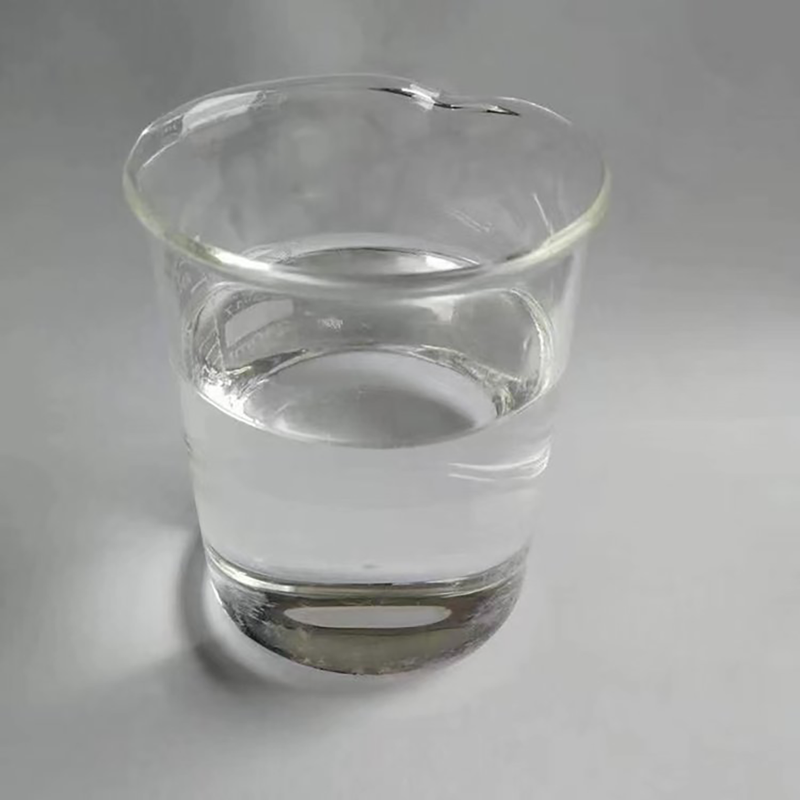
    Shop Pyrrole CAS:109-97-7-Detailed Image 1

    Pyrrole Chemical Properties
    Melting point  -23 °C (lit.)
    Boiling point  131 °C (lit.)
    density  0.967 g/mL at 25 °C (lit.)
    vapor density  2.31 (vs air)
    vapor pressure  8.7 hPa (20 °C)
    refractive index  n20/D 1.508(lit.)
    FEMA  3386 | PYRROLE
    Fp  92 °F
    storage temp.  Store at +2°C to +8°C.
    solubility  60g/l
    pka 15(at 25℃)
    form  Liquid
    color  Clear almost colorless to brownish
    Odor at 0.10 % in propylene glycol. sweet warm nutty ethereal
    PH >6 (10g/l, H2O, 20℃)
    explosive limit 3.10-14.8%(V)
    Odor Type nutty
    biological source synthetic
    Water Solubility  60 g/L (20 ºC)
    Sensitive  Air & Light Sensitive
    Merck  14,8014
    JECFA Number 1314
    BRN  1159
    Dielectric constant 7.5(17℃)
    Stability: Stable. Incompatible with strong acids, strong oxidizing agents. Combustible.
    InChIKey KAESVJOAVNADME-UHFFFAOYSA-N
    LogP 0.85
    Surface tension 36.6mN/m at 20°C
    CAS DataBase Reference 109-97-7(CAS DataBase Reference)
    NIST Chemistry Reference Pyrrole(109-97-7)
    EPA Substance Registry System 1H-Pyrrole (109-97-7)

    Safety Information
    Hazard Codes  T
    Risk Statements  10-20-25-41
    Safety Statements  26-37/39-45-39-24-16
    RIDADR  UN 1992 3/PG 3
    WGK Germany  2
    RTECS  UX9275000
    8-10-23
    Autoignition Temperature 550 °C
    TSCA  Yes
    HazardClass  3
    PackingGroup  III
    HS Code  29339900
    Hazardous Substances Data 109-97-7(Hazardous Substances Data)
    Toxicity LD50 orally in Rabbit: 137 mg/kg


    Pyrrole Usage And Synthesis
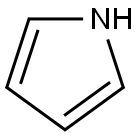
    Heterocyclic compound Pyrrole is a five-membered heterocyclic compound which contains one nitrogen atom, it is colorless liquid at room temperature, naturally presents in coal tar and bone oil, turns black color quickly in the air, it has significant irritant odor. The relative density is 0.9691, the boiling point is 130~131℃, freezing point is-24℃. It is almost insoluble in water and dilute alkali solution, soluble in alcohol, ether, benzene and mineral acid solution. It is very stable for alkali, it easily polymerizes into dark red resin trimer in the presence of small amount of inorganic acid, when it is stored, it exposes to light or air will cause resinification. Pyrrole vapor meets loose pieces which moistened with hydrochloric acid can show red, this is called loose piece reaction (pine flakes reaction; pine splint test), it can be used to identify pyrrole. 5 atoms on the pyrrole ring are sp2 hybrid, they are in the same plane, one pair not shared electrons of the nitrogen atom occupy the p-orbital, four carbon atoms and p-orbital are parallel and overlapping, forming 5 atoms, 6 π electrons closed conjugated system, it has aromatic character, prone to electrophilic substitution reactions. Thus, alkalinity of nitrogen atom in pyrrole is small (pKb13.6); On the contrary, combination of hydrogen on the nitrogen atom is weak acid. In addition, pyrrole ring with benzene and other aromatic compounds are same, it can conduct nitration, sulfonation, diazo coupling reaction, Friedel-Crafts type acylation. This reaction can get 2-substituted compound.
    Nitrogen atom of pyrrole molecule is sp2 hybridized, unshared electron pair occupys p-orbitals, p-orbitals with parallel 4 sp2 hybridized carbon atoms overlap to form a six-electron conjugated system, it has aromatic character, electrophilic substitution reactions can occur.
    Unshared electron pairs of pyrrole nitrogen atoms involve in the conjugated ring system, and binding capacity with H + is very weak, it is not showing alkaline. Since the electron density on the nitrogen atom is relatively lower, the hydrogen atom attached to the nitrogen atom can leave in the form of positive ions, thus pyrrole has faintly acid. Ionization constant Ka = 10-15, it can react with solid potassium hydroxide to form a salt.
    Many pyrrole derivatives are important drugs and have strong physiologically active substances, such as chlorophyll, heme.
    Pyrrole is basic structural unit of heme, chlorophyll, bile pigments, some amino acids, several alkaloids and some enzymes, these compounds have strong physiological activity and drugs functional. Vitamin B12, glycopyrrolate, kainic acid (drive roundworm medicine), clindamycin (antibiotic) drugs contain hydrogenated pyrrole ring structure. Since 1979, it found that flexible conductive polymer film can be obtained by electrochemical oxidation of pyrrole, the conductivity is 104S/m, and it had good stability.
    Chemical Properties It is colorless to yellowish liquid, long-term storage in the process is easy to expose the action of light and the polymerize to turn brown. It has warm sweet fruity of nuts and esters. Boiling point is 130 ℃ (decomposition), a flash point is 39 ℃, a melting point is-24 ℃. It is soluble in alcohol, ether, benzene, acid and most of the non-volatile oil, insoluble in water and dilute alkali.
    Uses (1) Spices. The main type use is the preparation of fruit and spice flavors.
    (2) It is used for the synthesis of pharmaceuticals and fine chemicals such as perfume
    (3) Its derivatives are widely used in organic synthesis, pharmaceuticals, pesticides, spices, rubber vulcanization accelerator, epoxy curing agents of raw materials
    (4) It is used as chromatographic analysis standard material, it is also used in organic synthesis and pharmaceutical industry.
    (5) It can be used for the pharmaceutical, perfume and other synthetic intermediates.
    (6) It is widely used in the synthesis of pharmaceuticals, pesticides and dyes. In the pharmaceutical industry can be used for synthesis of Barossa Star (Irloxacin), meters pyrrole acid (Piromidic), pyrrole pentanone (Pyrovalerone), pyrrole Cain (Pyrrocaine) and set off disease (TMT) and the like.
    (7) It can be used to test gold selenite and silicic acid. Determination of chromate, gold, iodine salt, mercury, selenious acid, silicon and vanadium.

    Shop Orthophosphorus acid 10294-56-1-Detailed Image 1

    Shop Trimellitic Anhydride  C9H4O5 552-30-7-Detailed Image 2

    Shop Trimellitic Anhydride  C9H4O5 552-30-7-Detailed Image 3


    Shop Trimellitic Anhydride  C9H4O5 552-30-7-Detailed Image 4

    Shop Trimellitic Anhydride  C9H4O5 552-30-7-Detailed Image 5

    Shop Trimellitic Anhydride  C9H4O5 552-30-7-Detailed Image 6


    Shop Trimellitic Anhydride  C9H4O5 552-30-7-Detailed Image 7


    Shop Trimellitic Anhydride  C9H4O5 552-30-7-Detailed Image 8

    Shop Trimellitic Anhydride  C9H4O5 552-30-7-Detailed Image 9

    Shop Trimellitic Anhydride  C9H4O5 552-30-7-Detailed Image 10

    Shop Trimellitic Anhydride  C9H4O5 552-30-7-Detailed Image 11

    Shop Trimellitic Anhydride  C9H4O5 552-30-7-Detailed Image 12

    ——  Q&A  ——

    Q1:Do you provide sample?

    A: Yes, we can provide free sample, you only need pay the shipping cost.

    Q2: What is the lead time?

    A: For stock goods, it usually take about 5-7 days by air, 15-30 days by sea,For customized products, the delivery time needs to be confirmed based on the actual situation.

    Q3: How can I buy? What is the payment method?

    A: You can contract us through Email or you can browse our website:orientchem.cc, we have bank transfer, 

    Q4:What if there are quality issues?

    A:We attach great importance to after-sales service of our products. If there are any quality issues, please contact us within 30 days of receiving the goods and we will handle returns and exchanges for you.


    Certificates

    Basic Info
    Product Name:

    1H-Pyrrole

    Other Name:

    1H-Pyrrole;Pyrrole;1-Aza-2,4-cyclopentadiene;Azole;Divinylenimine;Imidole;Monopyrrole;NSC 62777;21995-14-2;45361-50-0;1201695-24-0

    CAS No.:

    109-97-7

    Molecular Formula:

    C4H5N

    InChIKeys:

    InChIKey=KAESVJOAVNADME-UHFFFAOYSA-N

    Molecular Weight:

    67.091

    Exact Mass:

    67.09

    EC Number:

    203-724-7

    UNII:

    86S1ZD6L2C

    NSC Number:

    72470|62777

    DSSTox ID:

    DTXSID5021910

    Color/Form:

    Colorless liquid when fresh|Yellowish or brown oil

    HScode:

    2933990090

    Characteristics
    PSA:

    15.8

    XLogP3:

    0.75

    Appearance:

    Liquid

    Density:

    0.9698 g/cm3 @ Temp: 20 °C

    Melting Point:

    -23.4 °C

    Boiling Point:

    129.7 °C

    Flash Point:

    102 DEG F (39 DEG C) (CLOSED CUP)

    Refractive Index:

    n 20/D 1.508(lit.)

    Water Solubility:

    H2O: 45 mg/mL at 25 °C

    Storage Conditions:

    0-6ºC

    Vapor Pressure:

    8.7 hPa (20 °C)

    Vapor Density:

    2.31 (Air= 1)

    Toxicity:

    LD50 orally in Rabbit: 137 mg/kg

    Explosive limit:

    3.10-14.8%(V)

    Odor:

    Agreeable empyreumatic odor resembling that of chloroform

    Taste:

    Burning, pungent taste

    OH:

    1.10e-10 cm3/molecule*sec

    Henrys Law Constant:

    1.80e-05 atm-m3/mole|Henry's Law constant = 1.80X10⁻⁵ atm-cu m/mol @ 25 °C

    Dissociation Constants:

    pKa= 17.5|pKa = -3.80 (protonated form) (conjugate acid)

    Experimental Properties:

    Polymerizes under influence of acids and glycols; soln in dil hydrogen chloride yield pyrrole red, an amorphous, orange-colored substance|Decomposes in acid; Conversion factors: 1 mg/l= 3.64 ppm; 1 ppm= 2.74 mg/cu m|Hydroxyl radical rate constant = 1.1X10⁻¹⁰ cu m/molc-sec @ 25 °C|Hygroscopic

    Heat of Combustion:

    -2.2418X10+9 J/kmol

    Heat of Vaporization:

    10.79 kcla/mol @ 25 °C

    Critical Temperature & Pressure:

    Critical temperature: 366.75 °C; Critical pressure: 6.21X10+6 Pa

    Hazard Identification

    Classification of the substance or mixture

    Acute toxicity - Category 4, Oral

    GHS label elements, including precautionary statements

    Pictogram(s)

    Signal word

    Warning

    Hazard statement(s)

    H302 Harmful if swallowed

    Precautionary statement(s)
    Prevention

    P264 Wash ... thoroughly after handling.

    P270 Do not eat, drink or smoke when using this product.

    Response

    P301+P317 IF SWALLOWED: Get medical help.

    P330 Rinse mouth.

    Storage

    none

    Disposal

    P501 Dispose of contents/container to an appropriate treatment and disposal facility in accordance with applicable laws and regulations, and product characteristics at time of disposal.

    Other hazards which do not result in classification

    no data available

    Handling and Storage

    Precautions for safe handling

    Handling in a well ventilated place. Wear suitable protective clothing. Avoid contact with skin and eyes. Avoid formation of dust and aerosols. Use non-sparking tools. Prevent fire caused by electrostatic discharge steam.

    Conditions for safe storage, including any incompatibilities

    Store the container tightly closed in a dry, cool and well-ventilated place. Store apart from foodstuff containers or incompatible materials.

  • Seller Information
    Business Type:

    Trader

    Main Products:

    pharmaceutical intermediates,peptides,electronic chemicals

    Location:

    Room 102, 1st Floor, East Office Building, No. 45 Pengwan Road, Qianwan Bonded Port Area, Qingdao Zone, China (Shandong) Pilot Free Trade Zone

    Payment Terms:

    100% TT in advance

    Average lead Time:

    10

    Total Annual Revenue:

    $10 million-$25 million

    Total Employees:

    51-100

    Year of Establishment:

    2024

    A reliable supplier is like insurance.

    We are mainly specilized in supply of pharmaceutical intermediates, electronic chemicals,food additives, and other fine chemical products.
    Integrity is the foundation, quality is life. We would like to work together with you to build a greener and brighter future.

    Website: orientchem.cc
    Email: scarlett@orientchem.cc
    WhatsApp: +86 17753254221

  • Country Product Purchase Quantity Date Posted
    Post an enquiry for this product
pic ×

Scan the QR Code to Share

All products displayed on this website are only for non-medical purposes such as industrial applications or scientific research, and cannot be used for clinical diagnosis or treatment of humans or animals. They are not medicinal or edible.

According to relevant laws and regulations and the regulations of this website, units or individuals who purchase hazardous materials should obtain valid qualifications and qualification conditions.

The information shown above is provided by the enterprise itself, and the authenticity, accuracy and legitimacy of the content are the responsibility of the publishing company. ECHEMI does not bear any guarantee responsibility for this. Please be aware that risks in internet transactions objectively exist.

Feedback & Suggestions
Send Message

Thank you for your feedback. If you require further assistance, please contact us by email at info@echemi.com or call us at +86-532-55729510.