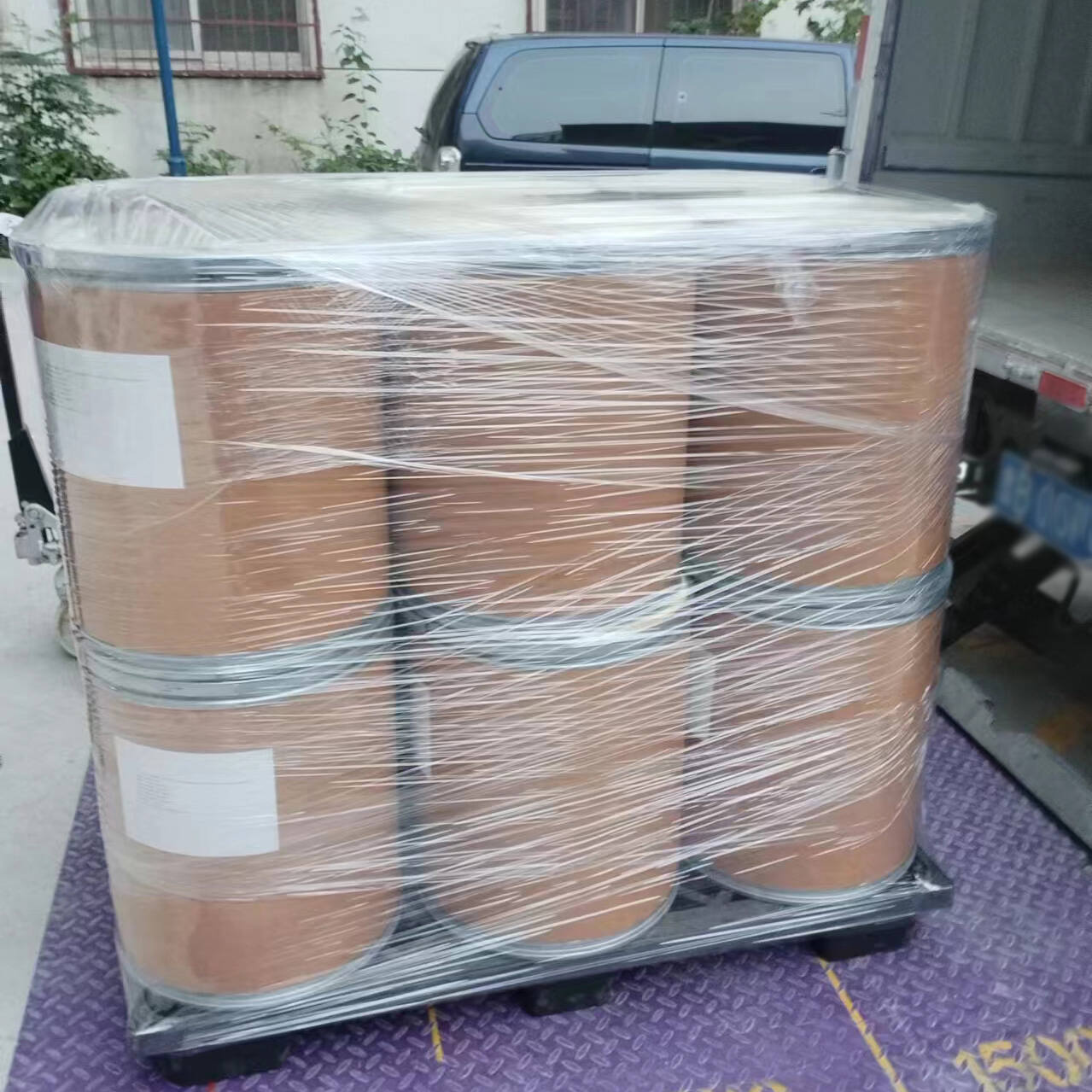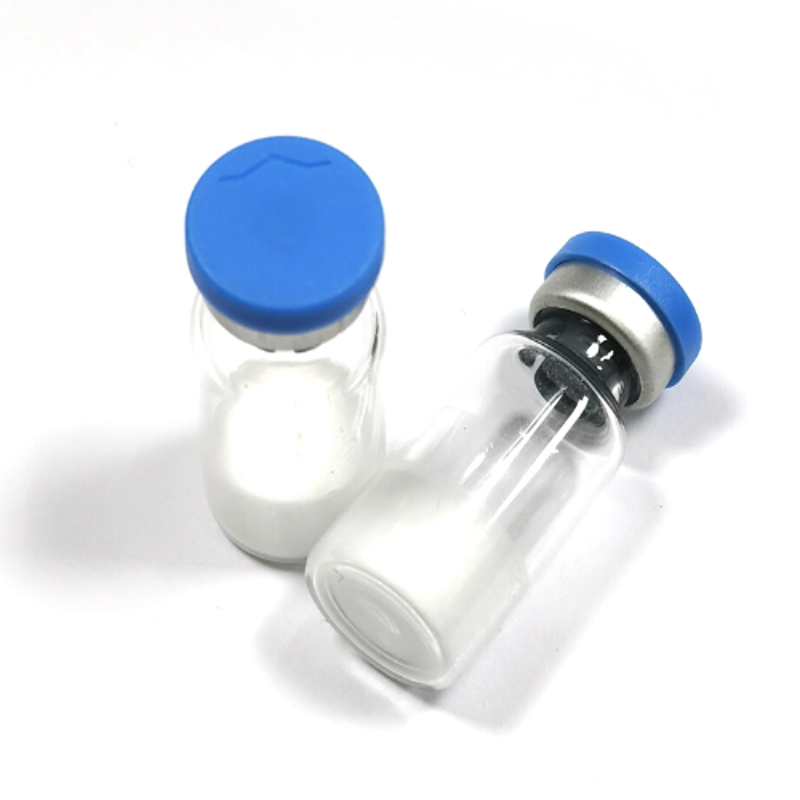
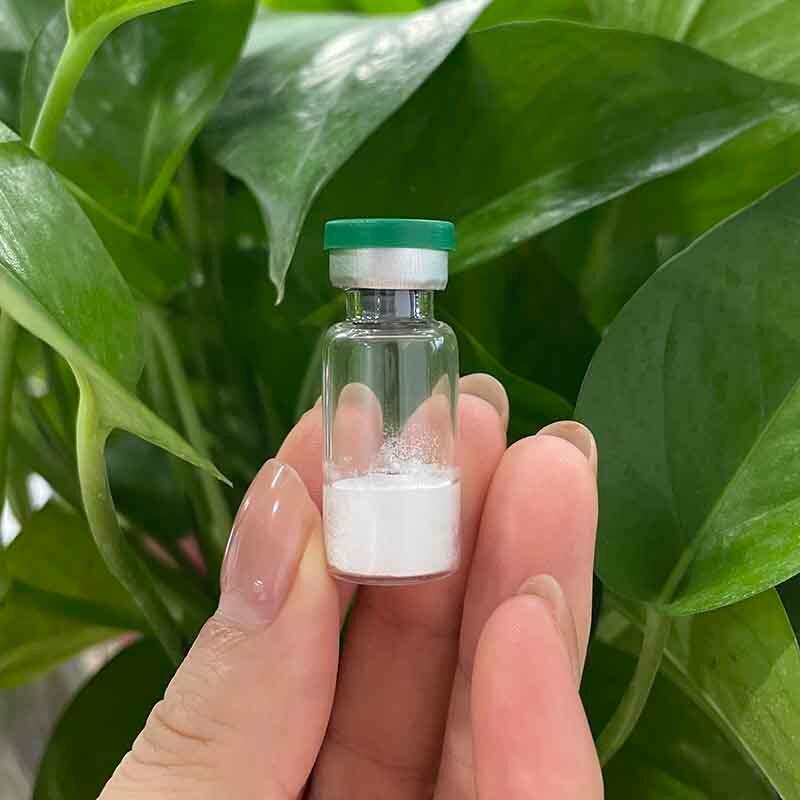

High Purity CAS 40077-57-4 Aviptadil Acetate Vasoactive Intestinal Peptide VIP
2 Inquiries
40077-57-4
Pharmaceutical Grade
99%
Qingdao
SINOV
1vial
2029-08-15

Weight Loss Peptide,Reta,Tirz,Sema,5 Amino 1mq,Cosmetic raw material,API,SLU-PP-332
-
Product Description
-
Seller Information
-
Inquiry History
-
DescriptionECHEMI Editorial ReferenceVasoactive intestinal peptide (VIP) is widely distributed inthe body and is believed to occur throughout the gastrointestinaltract. It is a 28-residue polypeptide with structuralsimilarities to secretin and glucagon. It causes vasodilatationand increases cardiac contractibility. VIP stimulates bicarbonatesecretion, relaxes gastrointestinal and othersmooth muscles, stimulates glycogenesis, inhibits gastricacid secretion, and stimulates insulin secretion. Its hormonaland neurotransmitter role has been investigated.
Vasoactive Intestinal Peptide Synthetic is a single, non-glycosylated polypeptide chain containing 28 amino acids, having a molecular mass of 3325 Dalton and a Molecular formula of C147H238N44O42S.Research & Reference NoteHigh Purity CAS 40077-57-4 Aviptadil Acetate Vasoactive Intestinal Peptide VIP is listed on ECHEMI for industrial / laboratory sourcing. This listing is for industrial and laboratory research use. Product information on ECHEMI is provided for sourcing and specification reference. It is not medical advice, a clinical recommendation, or an approved therapy description. Always verify regulatory status, purity, and intended use with the supplier and applicable authorities before purchase or use.
Authoritative sourcesDisclaimer: This listing is for industrial and laboratory research use. Product information on ECHEMI is provided for sourcing and specification reference. It is not medical advice, a clinical recommendation, or an approved therapy description. Always verify regulatory status, purity, and intended use with the supplier and applicable authorities before purchase or use.
Reviewed by ECHEMI Scientific Review - Platform editorial review for research chemicals
Basic Info-
Product Name:
Aviptadil
Other Name:VASOACTIVE INTESTINAL PEPTIDE (HUMAN, BOVINE, PORCINE, RAT);VASOACTIVE INTESTINAL PEPTIDE (HUMAN, PORCINE);VASOACTIVE INTESTINAL PEPTIDE, HUMAN, PORCINE, AND RAT;VASOACTIVE INTESTINAL PEPTIDE (HUMAN, PORCINE) (BOVINE, RAT, CANINE);VASOACTIVE INTESTINAL PEPTIDE HUMAN, PORCINE, RAT;VASOACTIVE INTESTINAL PEPTIDE, HUMAN, PORCINE, RAT, OVINE;VASOACTIVE INTESTINAL PEPTIDE, PORCINE;VIP, (HUMAN, PORCINE, RAT, OVINE)
CAS No.:40077-57-4
Molecular Formula:C147H238N44O42S
InChIKeys:HEOYHMUESMJFDC-RIWXPGAOSA-N
Molecular Weight:3325.8
EC Number:200-001-8
Color/Form:White to off-white
Categories:
Characteristics-
Density:
1.47±0.1 g/cm3(Predicted)
Water Solubility:Soluble to 1 mg/ml in water
Critical Temperature & Pressure:−20°C
Hazard IdentificationClassification of the substance or mixture
no data available
GHS label elements, including precautionary statements
Pictogram(s) no data available Signal word no data available
Hazard statement(s) no data available
Precautionary statement(s) Prevention no data available
Response no data available
Storage no data available
Disposal no data available
Other hazards which do not result in classification
no data available
Handling and StoragePrecautions for safe handling
Handling in a well ventilated place. Wear suitable protective clothing. Avoid contact with skin and eyes. Avoid formation of dust and aerosols. Use non-sparking tools. Prevent fire caused by electrostatic discharge steam.
Conditions for safe storage, including any incompatibilities
Store the container tightly closed in a dry, cool and well-ventilated place. Store apart from foodstuff containers or incompatible materials.
-
-
Seller Information
-
Business Type:
Trader
-
Main Products:
Weight Loss Peptide,Reta,Tirz,Sema,5 Amino 1mq,Cosmetic raw material,API,SLU-PP-332
-
Location:
Unit D01,3/F., Wong King Industrial Building,No.2 Tai Yau Street, Kowloon
-
Payment Terms:
TT against copy of documents,D/P,L/C,D/A,O/A,TT against B/L draft before shipment,100% TT in advance
-
Average lead Time:
7
-
Total Annual Revenue:
$50 million-$100 million
-
Total Employees:
51-100
-
Year of Establishment:
2012
-
-
Inquiry History2 Inquiries
Country Product Purchase Quantity Date Posted  United States
Aviptadil
1 G Oct 25, 2024
United States
Aviptadil
1 G Oct 26, 2024 Post an enquiry for this product