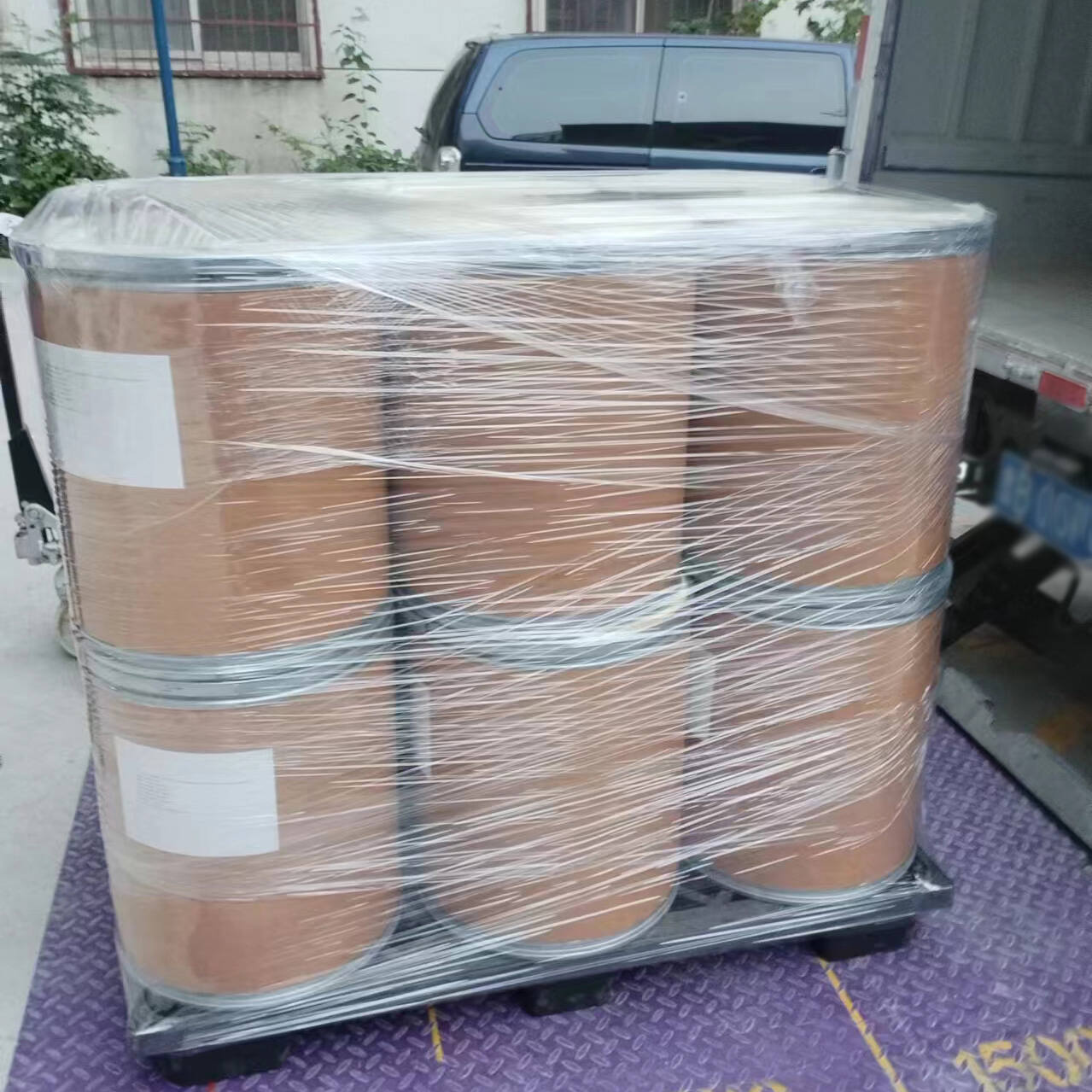
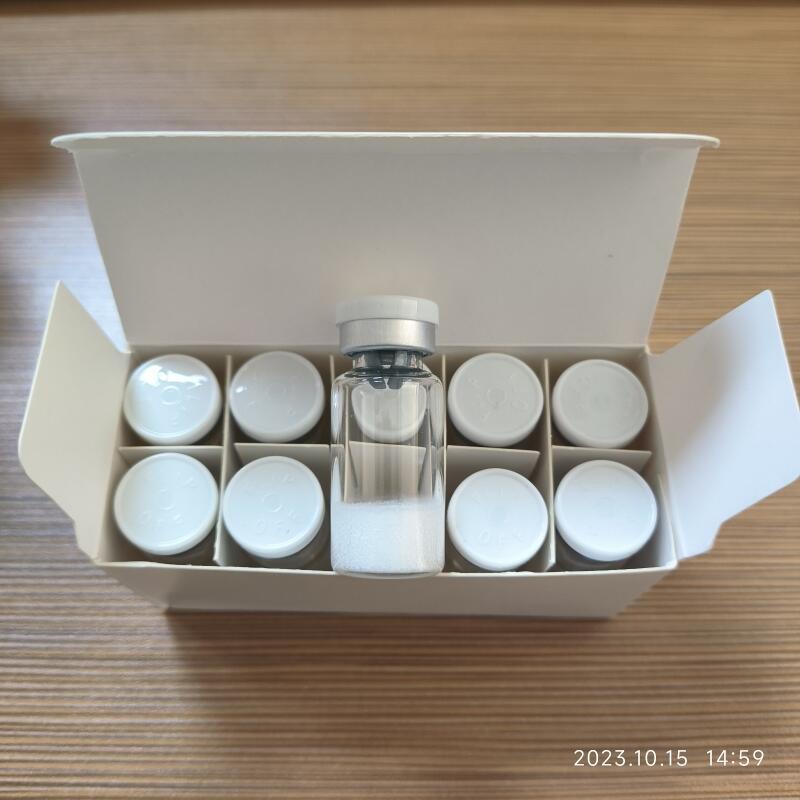
1. Description
Chemical Properties: Adipotide is a chimeric peptide compound composed of a “adipocyte-targeting domain + apoptosis-inducing domain,” with the amino acid sequence CKGGRAKDC-GG-D (KLAKLAK)₂. (Cys-Lys-Gly-Gly-Arg-Ala-Lys-Asp-Cys-Gly-Gly-Asp-(Lys-Leu-Ala-Lys-Leu-Ala-Lys)₂), featuring disulfide bonds for structural stability. Its primary target is highly expressed receptors (e.g., gp1 receptor) on the surface of vascular endothelial cells in white adipose tissue. Chemically stable, resistant to hydrolysis in neutral environments (pH 6.5-7.5), and highly resistant to enzymatic degradation (enhanced stability through disulfide bonds and optimized amino acid sequence). Compatible with health ingredients like L-carnitine, caffeine, dietary fiber, and fat-reducing active components. Molecular weight approximately 2600 Da (may vary slightly depending on synthesis process).
Physical Properties: Adipotide appears as a white to off-white, loose powder at room temperature, odorless or with a faint characteristic odor. It exhibits excellent water solubility (solubility ≥30 mg/mL), dissolving rapidly in aqueous systems such as pure water, saline, and phosphate-buffered saline (PBS). It is slightly soluble in ethanol and insoluble in non-polar solvents like ether and petroleum ether. Store at -20°C in a dry, sealed container protected from light. Avoid repeated freeze-thaw cycles and high temperatures. Research-grade/application-grade products exhibit ≥98% purity (HPLC-detected), ≤1.0% impurity content, and are free of endotoxins (≤0.05 EU/mg) and heavy metal residues (lead, mercury, arsenic, etc. ≤0.1 ppm), meeting pharmaceutical-grade and high-end health ingredient standards.
Source and Preparation: Adipotide has no naturally occurring form and is precisely synthesized via solid-phase peptide synthesis—using high-purity L-type amino acids as raw materials, undergoing condensation, deprotection, disulfide bond formation, and peptide chain assembly, ultimately purified by high-performance liquid chromatography (HPLC) to yield a high-purity product. The synthesis process strictly controls reaction conditions (temperature, pH, redox environment) to ensure functional integrity of the target and apoptosis domains. Product quality is validated through mass spectrometry (MS), amino acid sequence analysis, and target binding activity testing, with no residual chemical synthesis byproducts.
2. Application
1. Healthy Fat Reduction and Weight Management Sector (Core Applications)
Precision Fat Reduction Functional Products: Adipotide is suitable for individuals with simple obesity, localized fat accumulation (waist, abdomen, thighs, buttocks), and postpartum weight loss. It is used to develop fat-reducing dietary supplements, sublingual drops, and topical delivery formulations. Formulation Logic: Adipotide (concentration 0.05%-0.2%) + L-carnitine (5%-10%) + Conjugated linoleic acid (CLA, 2%-5%). Adipotide targets and eliminates white adipocytes, L-carnitine enhances fat metabolism for energy production, and CLA inhibits fat synthesis. This synergistic approach achieves “targeted fat reduction + metabolic enhancement” while avoiding systemic side effects associated with traditional fat-reduction ingredients.
Localized Contouring Aids: Targeting localized fat deposits like waist/abdominal bulges, upper arm flab, and inner thigh fat. Developed for localized fat-reducing gels and contouring serums, suitable for fitness sculpting and postpartum recovery scenarios. Formulation Logic: Adipotide (0.1%-0.3%) + Caffeine (1%-2%) + Capsaicin Derivatives (0.01%-0.03%). Adipotide induces localized adipocyte apoptosis, caffeine boosts local blood circulation to accelerate fat metabolism, and capsaicin derivatives enhance localized metabolic efficiency for precise localized fat reduction.
2. Medical Aesthetics Shaping & Fat Management
Fat Reduction Enhancement Products: Adipotide complements medical aesthetic procedures like lipolysis injections, cryolipolysis, and radiofrequency lipolysis. It is used to develop post-procedure repair serums and targeted fat reduction adjuvants. Its core function is to eliminate residual fat cells after treatments, reduce fat regrowth risks, and promote local tissue repair to prevent skin laxity. Formulation Logic: Adipotide (0.1%-0.2%) + Recombinant Collagen (0.05%-0.1%) + Panthenol (2%-3%). Adipotide enhances fat reduction efficacy, collagen firms the skin, and panthenol repairs the barrier, improving the longevity and safety of aesthetic contouring results.
Premium Customized Body Contouring Solutions: Providing core ingredients for high-end aesthetic institutions, integrating body fat analysis and localized fat assessment to create personalized contouring plans. Tailored for premium consumers seeking “precision fat reduction without surgery,” it targets specific fat areas through localized delivery for non-invasive body sculpting.
3. Preclinical Pharmaceutical R&D Domain
Obesity Therapeutic Drug Development: Adipotide serves as a candidate drug in preclinical studies for obesity and related complications (e.g., type 2 diabetes, hyperlipidemia, non-alcoholic fatty liver disease). Systemic administration eliminates excess white adipose tissue, improves insulin resistance, and reduces blood lipid levels. Currently in cellular and animal testing phases.
Intervention Studies for Metabolic Disorders: Used in model research for obesity-related cardiovascular diseases (e.g., atherosclerosis) and fatty liver disease. It explores mechanisms to improve the metabolic microenvironment and alleviate disease progression by targeting fat clearance, providing experimental evidence for innovative treatments of metabolic disorders.
4. Research Tools and Reagents Domain
Adipose Metabolism Mechanism Research: Adipotide serves as a core tool peptide for investigating adipocyte biology and obesity models (e.g., high-fat diet-induced obese mice), analyzing the effects of targeted fat clearance on body weight, metabolic markers, and organ function.
Vascular Biology Research: Employed in studies of adipose tissue angiogenesis and vascular endothelial cell function, providing instrumental support for investigating the link between fat metabolism and vascular homeostasis.
3. Main Efficacy
Core Functionality of Precise Targeted Fat Reduction: Adipotide's core mechanism is “dual targeting + selective apoptosis”— ① Targeted Recognition: Adipotide's N-terminal domain (CKGGRAKDC) specifically binds to highly expressed receptors on the surface of vascular endothelial cells in white adipose tissue, enabling precise targeting of adipose tissue without binding activity to normal tissues such as muscle, liver, or kidney. ② Apoptosis Induction: The C-terminal domain (D(KLAKLAK)₂) disrupts cell membrane integrity upon entering adipose vascular endothelial cells, inducing endothelial apoptosis and thereby blocking nutrient supply to white adipocytes; ③ Fat clearance: Nutrient-deprived white adipocytes undergo gradual apoptosis and are metabolically cleared by the body, ultimately reducing adipose tissue volume to achieve targeted fat reduction without impairing the normal function of brown adipose tissue (beneficial fat).
Metabolic Improvement and Complication Prevention: By eliminating excess white fat, it reduces body fat percentage and weight while improving insulin resistance (enhancing insulin sensitivity). It lowers blood glucose, triglycerides, and LDL cholesterol levels, elevates HDL cholesterol, and alleviates obesity-related metabolic disorders. In animal models, it significantly improves hepatic steatosis in non-alcoholic fatty liver disease, reduces cardiovascular disease risk, and achieves dual effects of “fat reduction + metabolic repair.”
Localized Contouring and Skin Tightening Effects: Adipotide precisely targets localized fat deposits to reduce adipose tissue volume, avoiding muscle loss or skin laxity associated with systemic fat reduction. Simultaneously, cleared fat cells stimulate local fibroblast activity, promoting collagen synthesis and enhancing skin firmness. This addresses contouring needs in prone-to-sagging areas like the waist, abdomen, thighs, and buttocks, resolving the common issue of skin drooping after traditional fat reduction.
Safety Advantages: Adipotide exhibits strong fat-targeting specificity without damaging normal tissues or cells. Cytotoxicity testing (MTT) indicates normal cell survival rates exceeding 98% at concentrations ≤1 μmol/L. Acute/chronic toxicity studies confirm no significant systemic side effects (e.g., hepatic/renal impairment, gastrointestinal irritation), with no dependency or addictive properties. Low irritation during topical application; skin irritation tests reveal no sensitization potential, making it suitable for long-term weight management and localized contouring applications.