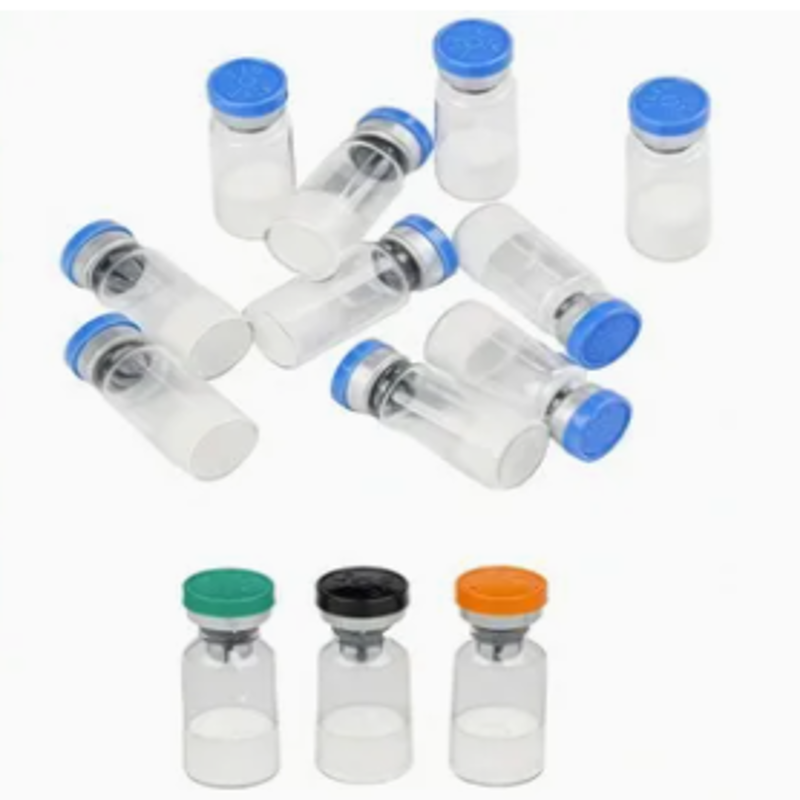
1. Description
Tripeptide-8 is commonly applied in cosmetics as Palmitoyl Tripeptide-8, an innovative small-molecule signaling peptide. Its core mechanism of action involves mimicking fragments of natural skin neuropeptides (such as α-melanocyte-stimulating hormone, α-MSH). By competitively binding to the melanocortin receptor (MC1-R), it specifically intervenes in neurogenic inflammatory pathways without activating melanin synthesis. It blocks excessive nerve terminal activation triggered by physical stimuli (e.g., heat, low pH), chemical stimuli (e.g., capsaicin), or immune responses at the source, thereby reducing the release of pro-inflammatory neurotransmitters (e.g., substance P, calcitonin gene-related peptide CGRP). Recent studies confirm that formulations containing Palmitoyl Tripeptide-8 significantly downregulate pro-inflammatory cytokines (IL-6, TNF-α) and matrix metalloproteinases (MMP-1, MMP-3, MMP-13) while upregulating anti-inflammatory/reparative cytokines (IL-10, TGF-β), demonstrating dual immunomodulatory and extracellular matrix protective activities.
2. Application
(1) Premium Sensitive Skin Care: Palmitoyl Tripeptide-8 is the second most commonly used synthetic peptide in skincare products specifically designed for sensitive skin. It is widely incorporated into serums, creams, lotions, and other formulations to soothe skin sensations such as stinging, burning, itching, and tightness. It pairs exceptionally well with functional oils like bisabolol and hyaluronic acid to enhance anti-inflammatory and barrier-supporting properties.
(2) Post-Procedure Recovery: Used in immediate recovery products following laser treatments, chemical peels, and other aesthetic procedures, it helps rapidly reduce acute inflammatory reactions (erythema, edema) triggered by treatments and promotes the restoration of skin barrier homeostasis.
(3) Specific Skin Concern Management: For conditions like rosacea and acne involving neurogenic inflammation, Palmitoyl Tripeptide-8 has been shown to regulate key biomarkers associated with these conditions. Research indicates it significantly downregulates levels of LL-37 (an antimicrobial peptide overexpressed in rosacea) while upregulating IGFBP-3 (a protein that attenuates insulin-like growth factor-1 axis signaling and is associated with sebum production), thereby demonstrating therapeutic potential at the molecular level.
(4) Environmental Stress Protection: Formulated for daytime skincare to counteract subclinical inflammatory states triggered by environmental stressors like UV exposure and pollution, safeguarding skin from cumulative long-term damage.
3. Main Efficacy
-
-
(1) Highly effective anti-inflammatory and neuro-soothing: Directly inhibits neurogenic inflammation by competitively binding to the melanocortin-1 receptor (MC1-R) and reducing excessive excitation of nerve endings. In vitro co-culture models demonstrate that formulations containing Palmitoyl Tripeptide-8 significantly reduce pro-inflammatory mediators IL-6 and TNF-α released by keratinocytes and fibroblasts following LPS stimulation. It also effectively diminishes skin erythema, swelling, and stinging sensations triggered by UV exposure, immune responses, or mechanical stress.
(2) Immunomodulation and Matrix Protection: Palmitoyl Tripeptide-8 not only suppresses inflammation but also actively regulates skin immune balance. Specifically:
Reduces inflammatory signals: Significantly decreases expression of pro-inflammatory factors IL-6 and TNF-α.
Promotes repair signals: Significantly increases levels of anti-inflammatory/reparative cytokines IL-10 and TGF-β.
Protecting the Extracellular Matrix: Significantly downregulates expression of matrix metalloproteinases MMP-1, MMP-3, and MMP-13, thereby reducing collagen and elastin degradation and preventing structural skin damage.
(3) Alleviating core symptoms of sensitive skin: As a neurotransmitter-inhibiting peptide, it effectively improves multiple discomforts associated with sensitive skin, including stinging, burning sensations, itching, and persistent erythema caused by capillary dilation. By upregulating IGFBP-3, it may also positively influence skin issues related to abnormal sebum secretion, such as acne.
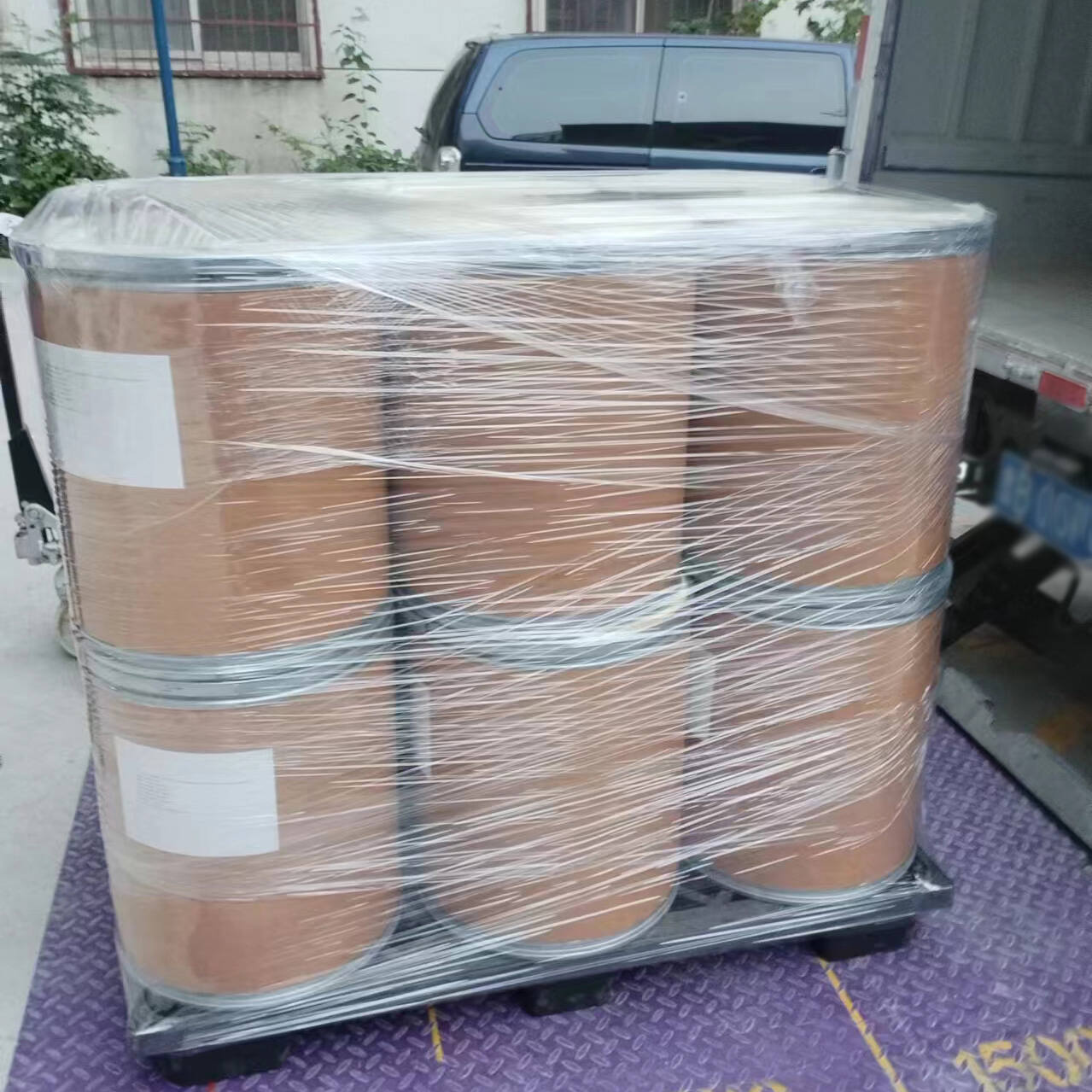

| Items | Specifications |
| Origin | China |
| Purity | 5%-99% |
| Appearance | Powder |
| Color | White |
| Package | Drum, Plastic Container, Vacuum Packed |
| Shelf life | 2 years |
| Storage | Cool Dry Place |
Research & Reference Note
Tripeptide-8: Advanced Anti-Inflammatory Peptide for Sensitive Skin and Redness Reduction is listed on ECHEMI for industrial / laboratory sourcing. This listing is for industrial and laboratory research use. Product information on ECHEMI is provided for sourcing and specification reference. It is not medical advice, a clinical recommendation, or an approved therapy description. Always verify regulatory status, purity, and intended use with the supplier and applicable authorities before purchase or use.
Disclaimer: This listing is for industrial and laboratory research use. Product information on ECHEMI is provided for sourcing and specification reference. It is not medical advice, a clinical recommendation, or an approved therapy description. Always verify regulatory status, purity, and intended use with the supplier and applicable authorities before purchase or use.
Reviewed by ECHEMI Scientific Review - Platform editorial review for research chemicals