Product
Supplier
Encyclopedia
Inquiry
Home > Water Treatment Chemical > Flocculant > Ferrous sulfate for Sale > Ferrous Sulfate, Green Vitriol, Iron Vitriol, Heptahydrate Ferrous, Monohydrate Ferrous (for water treatment)
Ferrous Sulfate, Green Vitriol, Iron Vitriol, Heptahydrate Ferrous, Monohydrate Ferrous (for water treatment) buy - large image1
Ferrous Sulfate, Green Vitriol, Iron Vitriol, Heptahydrate Ferrous, Monohydrate Ferrous (for water treatment) buy - image1
Ferrous Sulfate, Green Vitriol, Iron Vitriol, Heptahydrate Ferrous, Monohydrate Ferrous (for water treatment) buy - image2
Ferrous Sulfate, Green Vitriol, Iron Vitriol, Heptahydrate Ferrous, Monohydrate Ferrous (for water treatment) buy - image3
Ferrous Sulfate, Green Vitriol, Iron Vitriol, Heptahydrate Ferrous, Monohydrate Ferrous (for water treatment) buy - image4
Ferrous Sulfate, Green Vitriol, Iron Vitriol, Heptahydrate Ferrous, Monohydrate Ferrous (for water treatment) buy - image5
Ferrous Sulfate, Green Vitriol, Iron Vitriol, Heptahydrate Ferrous, Monohydrate Ferrous (for water treatment) buy - image6

Ferrous Sulfate, Green Vitriol, Iron Vitriol, Heptahydrate Ferrous, Monohydrate Ferrous (for water treatment)

KOSHER 25 Inquiries

Unit Price:

$261-334/MT FOB

Get Latest Price
CAS No.:

7720-78-7

Grade:

Industrial Grade

Content:

98%

Port:

Qingdao Port

Brand:

zhencheng

Packaging:

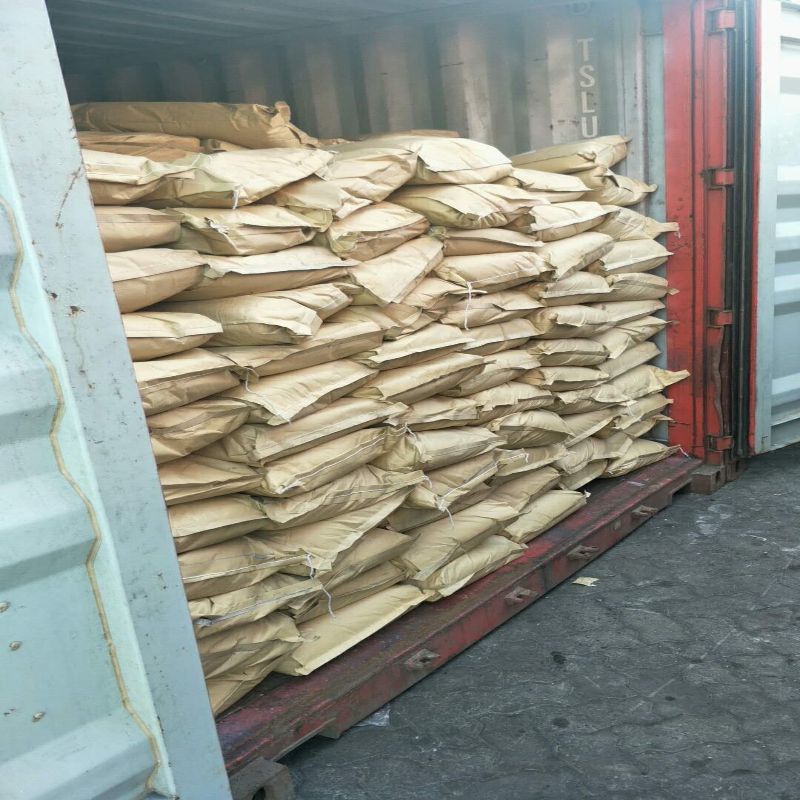
25 kg packed in PE film and woven bag

Price valid (until):

2026-10-15

Company Type:
Manufactory
Location:
China
Qualification:
Main Products:

Polyacrylamide,Polyaluminum Chloride,Poly Ferric Sulfate,Aluminium Sulfate,Activated Carbon / Activated Charcoal,Quartz Sand Filter Media

  • Product Description

  • Seller Information

  • Inquiry History

  • Description

    Comprehensive and Detailed Specification for Industrial-grade Solid Ferrous Sulfate Products (Usage Characteristics, Specification Parameters, Quality Standards)

    Preface

    Industrial-grade solid ferrous sulfate, as a classic ferrous salt product in the field of inorganic chemicals, is divided into two main categories: ferrous sulfate heptahydrate (FeSO₄·7H₂O) and ferrous sulfate monohydrate (FeSO₄·H₂O). It is an economical industrial raw material produced on a large scale by processes such as purification of titanium dioxide by-products and acidolysis of iron ore. It is a common chemical product with no flammability, explosiveness, and low toxicity. With its prominent reducibility, flocculation, chelation, pH adjustment, and nutritional supplementation properties, it is widely used in many fields such as industrial water treatment, municipal sewage purification, sludge dewatering, textile printing and dyeing, metallurgical beneficiation, chemical synthesis, soil improvement, feed addition (suitable for industrial grade), and cement additives. It is an indispensable basic functional additive in industrial environmental protection treatment, process production, and raw material preparation links. Compared with similar water treatment agents and industrial raw materials, solid ferrous sulfate has core advantages such as extremely high cost performance, wide sources, strong adaptability, simple operation, and no secondary pollution. The market demand remains high all year round, especially occupying an irreplaceable market position in the field of environmental protection and sewage treatment.

    This instruction manual is specifically for Industrial-grade solid ferrous sulfate,Throughout the entire content, irrelevant information such as food-grade, pharmaceutical-grade, reagent-grade, and liquid products has been excluded. It strictly adheres to the current national standards including GB/T 26637-2011 "Industrial Ferrous Sulfate" and HJ/T 291-2006 "Water Treatment Agent - Ferrous Sulfate", as well as the common industry practical operation specifications. Combining the experience in large-scale production, warehousing, transportation, and end-use, it provides a comprehensive, refined, and highly practical elaboration from ten core dimensions: basic product overview, physical and chemical properties, core application characteristics, specification and model parameters, graded quality standards, packaging, storage and transportation specifications, safe operation and protection, emergency disposal measures, quality inspection and control, common problems and solutions, and waste disposal specifications. All data are derived from national standard testing methods and front-line industrial practical verification, ensuring the content is rigorous and standardized, the data is accurate and traceable, and the guidance is prominent. At the same time, it is accompanied by complete multi-dimensional graphic display guidelines, covering visual content such as actual product detail photos, graded packaging specifications, application scenarios in different settings, parameter comparison charts, quality inspection process diagrams, and safety protection illustrations. It fully meets the needs of different groups such as production enterprises, environmental engineering companies, purchasers, end-use units, and quality inspection institutions. It provides an authoritative, comprehensive, and implementable reference for the entire process of production control, procurement selection, warehousing, transportation and distribution, on-site use, quality inspection, and safety emergency response of industrial-grade solid ferrous sulfate, helping users accurately match product specifications, standardize operation procedures, avoid various risks, and maximize the reduction of industrial production and environmental governance costs.

    I. Basic Overview of Industrial-grade Solid Ferrous Sulfate Products

    1.1 Core Definition of the Product and Authoritative Chemical Identification

    Industrial-grade solid ferrous sulfate, also known as green vitriol, iron vitriol, and ferrous salt, is an inorganic ferrous salt compound formed by the reaction of sulfuric acid with iron. The mainstream products on the market are divided into two major categories: ferrous sulfate heptahydrate (a crystalline hydrate, the most common and widely used in the market) and ferrous sulfate monohydrate (a dry and dehydrated type with higher content and less tendency to agglomerate). Ferrous sulfate heptahydrate exists in the form of natural light green crystals, while ferrous sulfate monohydrate is in the form of off-white to light white powder or granules. The core active ingredient of both products is ferrous ions (Fe²⁺), which have strong reducibility. Their aqueous solutions are weakly acidic, and they are commonly used in industrial fields as reducing agents, flocculants, decolorizing agents, nutrients, pH regulators, and metal ion stabilizers. Different from food-grade and pharmaceutical-grade products, industrial-grade products have impurity limit requirements that are suitable for industrial production and environmental governance scenarios. They focus on meeting the standards for active ingredients, having controllable costs, and being suitable for large-scale industrial mass use. They are strictly prohibited from being used in non-industrial scenarios such as food processing, pharmaceutical production, and direct consumption by humans and animals.

    Authoritative chemical identification information for industrial-grade solid ferrous sulfate (national standard and international general filing):

    • Chinese Standard Name: Industrial Ferrous Sulfate (Solid)

    • Common Chinese aliases: green vitriol, iron vitriol, ferrous sulfate heptahydrate, ferrous sulfate monohydrate, ferrous sulfate (for water treatment)

    • English Standard Name:Ferrous Sulfate for Industrial Use(Solid)

    • English abbreviation: FS Industrial

    • CAS Registry Number: 7720-78-7 (heptahydrate), 13463-43-9 (monohydrate)

    • EINECS EU Registration Number: 231-753-5 (heptahydrate), 236-642-3 (monohydrate)

    • Ferrous sulfate heptahydrate molecular formula: FeSO₄·7H₂O

    • Molecular formula of ferrous sulfate monohydrate: FeSO₄·H₂O

    • Relative molecular mass of ferrous sulfate heptahydrate: 278.05 (calculated according to the 2001 International Standard for Relative Atomic Mass)

    • Relative molecular mass of ferrous sulfate monohydrate: 169.93 (calculated according to the 2001 International Standard for Relative Atomic Mass)

      • Hazardous Goods Number: Not a hazardous chemical, ordinary chemical product, no UN hazardous chemical code

      • Hazardous Goods Category: Non-flammable and non-explosive, non-toxic, low irritation, not within the scope of hazardous chemical control

      • Main hazard warnings: R22 (Harmful if swallowed), R36/37/38 (Slightly irritating to eyes, respiratory tract and skin)

      • Core safety protection signs: S26 (If accidentally in contact with eyes, immediately rinse with plenty of water and seek medical advice), S36 (Wear protective clothing during operation)

      • Implement national standards: GB/T 26637-2011 "Industrial Ferrous Sulfate", HJ/T 291-2006 "Water Treatment Agent - Ferrous Sulfate"

      • Core industrial uses: flocculation and decolorization in municipal/industrial sewage treatment, chromium removal from electroplating wastewater, reductive decolorization of printing and dyeing wastewater, sludge conditioning, soil improvement, reducing agent in chemical synthesis, raw material in feed industry, cement additive, and auxiliary agent in metallurgical beneficiation
      • 1.2 Standards for Appearance and Physical Form of Industrial-grade Solid Ferrous Sulfate

        The appearance and physical form of industrial-grade solid ferrous sulfate are intuitive bases for judging the product's purity, freshness, oxidation degree, and storage status. Qualified products must meet unified physical property standards. The forms of heptahydrate and monohydrate categories differ significantly. Different production processes will result in differences in fine particles and powders. The core indicators must meet national standards and water treatment industry standards. The specific subdivisions and characteristics of physical forms are as follows:

        1.2.1 Qualified Appearance Properties of the Two Mainstream Product Categories

        Ferrous sulfate heptahydrate (mainstream general type on the market): It appears as light green granules and crystalline powder, with no visible foreign impurities (such as sand, fibers, metal debris, moldy lumps, etc.). The crystalline granules are plump, uniform in size, with moderate fluidity, no large-area caking, no hard lumps, and no obvious deliquescence. It has a slight sulfuric acid odor, without rancid, putrid, or rusty foul odors. If the product turns yellowish-brown or rust-colored, it indicates that ferrous iron (divalent iron) has been oxidized to ferric iron (trivalent iron), which is oxidative deterioration, leading to a significant decline in quality.

        Ferrous sulfate monohydrate (high-content dry type): It appears as light green granules and crystalline powder, with no dark impurities. The granules are fine and uniform or in the form of dry small particles, without caking or deliquescence. Its fluidity is better than that of ferrous sulfate heptahydrate, and there is almost no dust flying (granular type). It has no peculiar smell or a slight sulfuric acid smell. After oxidation, it will turn into pale yellow or rust-colored powder. Once deteriorated, it can no longer exert its core flocculation and reduction effects.
        Shop Ferrous Sulfate, Green Vitriol, Iron Vitriol, Heptahydrate Ferrous, Monohydrate Ferrous (for water treatment)-Detailed Image 1 Shop Ferrous Sulfate, Green Vitriol, Iron Vitriol, Heptahydrate Ferrous, Monohydrate Ferrous (for water treatment)-Detailed Image 2

        1.2.2 Segmentation of Product Forms by Different Processes

        1. Ferrous sulfate heptahydrate crystalline granular type (main force in water treatment): particle size range 0.5-2.0mm, light green large granular crystals, excellent fluidity, not easy to generate dust, moderate dissolution rate, suitable for most general industrial scenarios such as municipal sewage, industrial wastewater, sludge dewatering, etc. It has low production cost, the highest cost performance, and accounts for more than 80% of the market circulation.

        2. Ferrous sulfate heptahydrate powder type: particle size ≤ 0.5mm, light green powder, extremely fast dissolution rate, suitable for small sewage treatment equipment, precise dosing, and rapid dissolution reaction scenarios. It has slightly more dust, is easy to absorb moisture, and is suitable for short-term use and small-batch procurement.

        3. Ferrous sulfate monohydrate powder type: particle size ≤ 0.3mm, light green ultra-fine powder, high effective content, fast dissolution rate, suitable for scenarios such as high-standard sewage treatment, chemical synthesis, feed addition, etc. It has weak hygroscopicity, is not easy to agglomerate, and is suitable for long-term storage and long-distance transportation.

        4. Ferrous sulfate monohydrate granular type: particle size 0.3-1.0mm, light green dry granules, dust-free, non-hygroscopic, with optimal fluidity. It is suitable for automatic feeding, large-scale dosing in large sewage treatment plants, and long-distance transportation. It has extremely strong stability and is the preferred product for high-end environmental protection projects.
        5. 1.2.3 Characteristics of Appearance Changes in Product Storage State

          Industrial-grade solid ferrous sulfate is a product that is easy to oxidize and absorb moisture. Its appearance will change significantly with storage conditions and storage time, which can be used to intuitively judge the degree of product quality degradation. The specific change characteristics are as follows:

          • Normal sealed storage (cool and dry, humidity ≤ 60%): Ferrous sulfate heptahydrate remains in a light green crystalline state, without caking or discoloration, with normal fluidity, and the attenuation of ferrous ion content is ≤ 1%; Ferrous sulfate monohydrate remains in an off-white state, without oxidation or deliquescence, with stable active ingredients within the shelf life, fully meeting the requirements of industrial use.

          • Slight moisture-induced oxidation (humidity > 65%, poor sealing): The local surface of the product turns pale yellow or rust-colored, with slight adhesion, no large agglomerates, a slight decrease in water solubility, and a 2%-5% attenuation of ferrous ion content. It can be used in non-precision scenarios such as ordinary sewage treatment and soil improvement, without affecting the basic use effect.

          • Severe moisture-induced oxidation (long-term exposure, rainwater ingress): Ferrous sulfate heptahydrate turns entirely yellowish-brown or rust-colored, with large-area caking and hardening. It feels moist and sticky to the touch, has a slower dissolution rate, and its aqueous solution is turbid and yellowish. The content of ferrous ions (divalent iron) decreases by more than 10%, and its flocculating and reducing properties are significantly reduced; After oxidation, ferrous sulfate monohydrate turns into a pale yellow powder, with severe caking and loss of active ingredients, making it an unqualified product.

          • High-temperature exposure oxidation (storage temperature > 35℃): Ferrous sulfate heptahydrate crystals dehydrate, darken in color, rapidly oxidize to ferric iron (trivalent iron), agglomerate and harden, completely losing its flocculating and reducing properties; Ferrous sulfate monohydrate has slightly better stability at high temperatures, but long-term exposure to sunlight will also cause oxidation and yellowing, with a significant decline in quality.

          • Shop Ferrous Sulfate, Green Vitriol, Iron Vitriol, Heptahydrate Ferrous, Monohydrate Ferrous (for water treatment)-Detailed Image 3 Shop Ferrous Sulfate, Green Vitriol, Iron Vitriol, Heptahydrate Ferrous, Monohydrate Ferrous (for water treatment)-Detailed Image 4
          • 1.3 Core Physical and Chemical Properties of Industrial-grade Solid Ferrous Sulfate

            1.3.1 Core Physical Properties (National Standard Test Values)

            Physical and chemical index items Measured indicators of ferrous sulfate heptahydrate Measured indicators of ferrous sulfate monohydrate Indicator Description
            Relative density (at 25℃ room temperature)
            1.89
            2.97
            The content of crystal water is different, and the density varies significantly.
            Melting point/decomposition temperature 64℃ (loses crystal water) 300℃ (complete decomposition) Heptahydrate loses water at high temperature, and monohydrate decomposes into iron oxide at high temperature
            Water solubility (20℃, g/100mL distilled water) 26.5, very soluble in water 29.1, extremely soluble in water Dissolves quickly at room temperature, and the aqueous solution is light green
            Solubility in organic solvents Insoluble in organic solvents such as ethanol, ether, and acetone Insoluble in most organic solvents Only soluble in water, suitable for water-based industrial process scenarios
            Aqueous solution pH value (50g/L aqueous solution, 25℃)
            3.5-4.5
            3.0-4.0
            Weakly acidic, with acidity slightly stronger than that of ferrous sulfate heptahydrate
            Hygroscopicity Strong, easily hygroscopic and oxidizable Weak, not easy to absorb moisture in a dry state Ferrous sulfate heptahydrate must be strictly sealed to prevent moisture, while ferrous sulfate monohydrate is easier to store.
            Odor characteristics Slight sulfuric acid odor, no unusual smell Almost no peculiar smell A rusty smell or a foul odor indicates that the product has oxidized and deteriorated.
            Room temperature stability Stable when dry and sealed, but oxidizes quickly in humid air Extremely stable in a sealed state After oxidation, ferrous iron (divalent iron) turns into ferric iron (trivalent iron), and its performance becomes ineffective.

            1.3.2 Core Chemical Properties

            1. Strong reducibility (core industrial characteristic): It is the core chemical property of industrial-grade solid ferrous sulfate. The ferrous ions (Fe²⁺) in the molecule are easily oxidized to ferric ions (Fe³⁺), and it has extremely strong reducing ability. It can reduce high-valence toxic and harmful substances in industrial wastewater (such as hexavalent chromium, permanganate ion, hypochlorite ion, dye chromophoric groups, etc.) to low-valence non-toxic or low-toxic substances. It is a core reducing agent for the treatment of electroplating wastewater and printing and dyeing wastewater. Its reducing performance is mild, the cost is extremely low, and it is suitable for large-scale wastewater treatment scenarios.

            2. Flocculation and sedimentation: After ferrous ions are oxidized in aqueous solution or react with alkaline substances, they form ferric hydroxide colloid, which has extremely strong adsorption and flocculation capabilities. It can adsorb suspended particles, colloidal impurities, chromatic substances, and heavy metal ions in water bodies, forming dense flocs that settle quickly. This realizes sewage clarification, decolorization, and impurity removal. It is the most commonly used economical flocculant for municipal sewage and industrial wastewater.

              1. Weak acidity: The aqueous solution is weakly acidic, which can neutralize alkaline wastewater, adjust the pH value of water bodies, and at the same time inhibit the excessive reproduction of algae and bacteria in water bodies, improve the water ecosystem. It is suitable for the pretreatment of alkaline industrial wastewater and municipal sewage, avoiding problems such as pipeline scaling and water quality deterioration caused by excessively high pH values.

            3. Oxidation sensitivity: Ferrous ions have poor stability. In humid, oxygen-rich, and high-temperature environments, they are easily oxidized to ferric ions by oxygen in the air. The color of the product changes from green to yellowish-brown, and its flocculation and reduction properties decrease significantly. Therefore, during storage and transportation, it is necessary to strictly seal, prevent moisture and sunlight, and the aqueous solution should be prepared and used immediately.

            4. Chelation stability: Ferrous ions in aqueous solution can undergo a weak chelation reaction with some heavy metal ions in water (such as copper, zinc, lead, etc.) to form stable soluble substances. Combined with the subsequent flocculation process, it can improve the removal effect of heavy metals and is suitable for the treatment of wastewater with multi-metal composite pollution.

            5. Thermal instability: Ferrous sulfate heptahydrate will quickly lose its crystal water at high temperatures, turning into anhydrous ferrous sulfate. With continued high temperatures, it will decompose into substances such as iron oxide and sulfur dioxide; ferrous sulfate monohydrate has slightly better high-temperature resistance, but it will completely decompose when the temperature exceeds 300°C, losing its industrial use value. Therefore, it is strictly prohibited to store or use it near high-temperature heat sources.

            6. II. Core Product Characteristics and Performance Advantages of Industrial-grade Solid Ferrous Sulfate

              2.1 Core Usage Characteristics

              The core usage characteristics of industrial-grade solid ferrous sulfate revolve around its four core attributes: strong reducibility, flocculating and precipitating properties, weak acidity, and low cost. Different from similar products such as polyaluminum chloride, polyacrylamide, and sodium bisulfite, it has exclusive industrial adaptation characteristics, covering multiple fields including environmental protection, chemical industry, textiles, metallurgy, agriculture, and building materials. The specific usage characteristics are subdivided as follows:

              2.1.1 Strong Reducing Property: Core Additive for Harmless Treatment of Industrial Toxic Wastewater

              This is the core and most widely used characteristic of industrial-grade solid ferrous sulfate, especially for highly toxic hexavalent chromium-containing wastewater in the electroplating industry. It is the most cost-effective exclusive reducing agent, bar none. Its reduction principle is that ferrous ions (divalent iron ions) reduce highly toxic hexavalent chromium to low-toxic trivalent chromium, which is subsequently removed by precipitation through alkali addition. It boasts high reduction efficiency, with the agent cost being only 1/5 to 1/3 of similar reducing agents, no risk of flammability or explosion, and simple operation. Meanwhile, for oxidative chromophores and high-valence pollutants in printing and dyeing wastewater and chemical wastewater, it can quickly reduce and decolorize, break down the molecular structure of organic pigments, and significantly reduce the chromaticity and COD content of wastewater. It is the preferred agent for the pretreatment of high-chroma industrial wastewater and is suitable for key environmentally regulated enterprises such as electroplating factories, circuit board factories, printing and dyeing factories, and chemical plants.

              2.1.2 High-efficiency flocculation characteristics: Main agent for municipal and industrial sewage purification

              Compared with special flocculants such as polyaluminum chloride and polyferric sulfate, industrial-grade solid ferrous sulfate has mild flocculation performance, dense flocs, fast sedimentation speed, and extremely low cost. It is suitable for large-scale flocculation clarification and sludge dewatering processes in municipal sewage treatment plants and industrial sewage stations. The ferric hydroxide colloid generated by it can not only adsorb suspended impurities in water but also remove some phosphorus elements, heavy metal ions, and chromatic substances, achieving multiple effects of sewage dephosphorization, impurity removal, and clarification. When used in conjunction with polyacrylamide, the sludge dewatering effect is better, which greatly reduces the sludge moisture content and the cost of solid waste treatment. It is an essential agent for the treatment of municipal sewage, domestic sewage, and industrial comprehensive wastewater.

              2.1.3 Acid Adjustment and Alkali Removal Characteristics: Economical Agents for Alkaline Wastewater Neutralization Treatment

              In industrial production, industries such as printing and dyeing, chemical engineering, electroplating, and papermaking often generate a large amount of alkaline wastewater. Direct discharge will destroy the water ecosystem and corrode pipelines. The aqueous solution of industrial-grade solid ferrous sulfate is weakly acidic, which can efficiently neutralize alkaline wastewater and adjust the pH value of the water to neutral or weakly alkaline. Compared with strong acids such as sulfuric acid and hydrochloric acid, the neutralization process is gentler, will not cause a sudden drop in pH value, and has no risk of strong corrosion. At the same time, it has both flocculation and reduction effects, realizing multiple uses of one agent, greatly reducing the cost of wastewater neutralization treatment, and is suitable for the pretreatment of various alkaline industrial wastewater.

              2.1.4 Sludge conditioning characteristics: Special additives for industrial sludge dewatering modification

              The excess sludge produced from municipal sewage and industrial wastewater treatment has high water content, strong fluidity, and is difficult to dewater. Industrial-grade solid ferrous sulfate can be used as a sludge conditioner. It destroys the sludge colloidal structure, neutralizes the negative charges on the sludge surface, makes the sludge particles agglomerate, significantly improves the sludge dewatering performance, reduces the sludge water content, decreases the sludge volume, and facilitates subsequent filter pressing, transportation, and harmless treatment. The conditioning cost is much lower than that of special sludge conditioners, and it is suitable for the sludge dewatering process in various sewage treatment plants.

              2.1.5 Soil Improvement and Iron Supplement Characteristics: Industrial-grade Soil Remediation Additives

              Alkaline soils and salinized soils generally have problems such as iron deficiency, soil compaction, and poor permeability. Industrial-grade solid ferrous sulfate can adjust the soil pH value, improving alkaline soil into weakly acidic soil. At the same time, it supplements iron, an essential element for plant growth, prevents iron-deficiency chlorosis in plants, improves the soil aggregate structure, and enhances soil permeability. It is suitable for scenarios such as landscaping, farmland soil improvement, and industrial contaminated soil remediation, with low cost and long-lasting improvement effects.

              2.1.6 Characteristics of multi-industry general auxiliary materials: multi-functional auxiliary materials for chemical industry, textile industry, building materials industry, and metallurgy industry

              In the field of chemical synthesis, it acts as a reducing agent in various redox reactions to produce chemical products such as iron salts and pigments; in the textile printing and dyeing field, it serves as a fabric mordant and reducing agent to improve fabric dyeing effects and remove impurities on the fabric surface; in the cement industry, it is used as a cement additive to enhance cement strength and shorten setting time; in the metallurgical beneficiation field, it functions as a beneficiation aid to increase the recovery rate of non-ferrous metals and inhibit impurity interference; in the feed industry, it is used as an industrial-grade iron supplement in feed raw material processing (not for direct feeding), with extremely wide application scenarios.

              Shop Ferrous Sulfate, Green Vitriol, Iron Vitriol, Heptahydrate Ferrous, Monohydrate Ferrous (for water treatment)-Detailed Image 5 Shop Ferrous Sulfate, Green Vitriol, Iron Vitriol, Heptahydrate Ferrous, Monohydrate Ferrous (for water treatment)-Detailed Image 6

              2.2 Core Performance Advantages (Comparison with Similar Products)

              Comparison Dimension Industrial-grade solid ferrous sulfate Polyaluminum Chloride (PAC) Polyferric Sulfate (PFS) Sodium bisulfite
              Product cost Extremely low, with top-tier cost performance in the industry Medium, relatively high price On the high side, special flocculant Medium, dedicated to reducing agents
              Core Functions Reduction, flocculation, acid adjustment, phosphorus removal, chromium removal Flocculation, impurity removal, no reducibility Strong flocculation, phosphorus removal, no reduction function Strong reduction, dechlorination, no flocculation function
              Storage stability Just seal it to prevent moisture; no hazardous chemical control is required. Stable, easily hygroscopic and non-oxidizing Stable, slightly more corrosive Strict moisture-proofing required, low-corrosive hazardous chemicals
              Usage safety Extremely high, non-hazardous chemicals, no risk High, non-irritating High, slightly corrosive Medium, low corrosivity, irritating
              Applicable scenarios Full-scenario industrial wastewater, multi-industry auxiliary materials Conventional sewage flocculation High-standard sewage phosphorus removal flocculation Wastewater reductive dechlorination and bleaching
              Environmental attributes Excellent, no secondary pollution, and the products are biodegradable Excellent, no residue Excellent, no secondary pollution Excellent, the product is non-toxic

              III. Specification Parameters and Model Rules for Industrial-grade Solid Ferrous Sulfate

              3.1 Product Model Classification Rules

              There is no unified national standard model naming for industrial-grade solid ferrous sulfate. In the industry, a general model classification rule has been formed by combining the quality grades, core content, physical form, and packaging specifications from the standards GB/T 26637-2011 and HJ/T 291-2006. All models are specifically for the solid form, distinguishing between the two core categories of heptahydrate and monohydrate. The model naming is concise and easy to understand, facilitating procurement selection and production control. The specific classification rules are as follows:

              3.1.1 Classification by Crystalline Water Content and Core Quality (Mainstream Models)

              In the industry, the naming follows the pattern of "initial letter of ferrous + content + category". The core content is calculated based on ferrous iron (Fe²⁺), and it is divided into three grades: superior product, first-class product, and qualified product. This is the most commonly used model classification method:

              • TY-90 Type (Heptahydrate Superior Product): Ferrous sulfate heptahydrate, with a divalent iron content of ≥90% (corresponding to a FeSO₄·7H₂O content of ≥98%), extremely low impurity content, suitable for high-standard electroplating wastewater treatment, chemical synthesis, and precision environmental protection projects.

              • TY-85 Type (Heptahydrate First-Class Product): Ferrous sulfate heptahydrate, with a divalent iron content of ≥85% (corresponding to a FeSO₄·7H₂O content of ≥92%), moderate impurity content, suitable for general scenarios such as municipal sewage, ordinary printing and dyeing wastewater, and sludge dewatering;

              • TY-80 Type (Heptahydrate Qualified Product): Ferrous sulfate heptahydrate, with a divalent iron content of ≥80% (corresponding to a FeSO₄·7H₂O content of ≥87%), impurity content meeting the minimum requirements of national standards, suitable for non-precision scenarios such as soil improvement, neutralization of ordinary alkaline wastewater, and cement addition.

              • YS-98 Type (Monohydrate Premium Product): Ferrous sulfate monohydrate, with a divalent iron content of ≥98% (corresponding to a FeSO₄·H₂O content of ≥99%), high purity, low impurity, suitable for high-end sewage treatment, feed industry, and chemical synthesis.

              • YS-95 Type (Monohydrate First-Class Product): Ferrous sulfate monohydrate, with a divalent iron content of ≥95% (corresponding to a FeSO₄·H₂O content of ≥96%), suitable for scenarios such as large-scale sewage treatment plants, automated feeding, and long-distance transportation.
              • 3.1.2 Classification by Physical Form and Particle Size

                • TY-K Type (Heptahydrate Granular Type): Particle size 0.5-2.0mm, light green crystalline granules, dust-free, good fluidity, mainstream general-purpose type on the market.

                • TY-M Type (Heptahydrate Powder Type): Particle size ≤ 0.5mm, light green powder, fast dissolving, suitable for small sewage stations and precise dosing;

                • YS-K Type (Monohydrate Granular Type): Particle size 0.3-1.0mm, grayish-white granules, dust-free, non-caking, high-end special-purpose type.

                • YS-M Type (Monohydrate Powder Type): Particle size ≤ 0.3mm, grayish-white ultra-fine powder, high purity, fast dissolving, specially used for precision scenarios.
                • 3.1.3 Classification by Packaging Specifications

                  • Small packaging type: 5kg/bag, 10kg/bag, suitable for laboratory small-scale tests and small-batch production trials;

                  • Regular packaging type: 25kg/bag, 50kg/bag, suitable for the regular production of small and medium-sized enterprises, and is the main product in the market circulation;

                  • Large packaging ton bag type: 1000kg/ton bag, suitable for large sewage treatment plants, large-scale production, and bulk procurement.

                  • Shop Ferrous Sulfate, Green Vitriol, Iron Vitriol, Heptahydrate Ferrous, Monohydrate Ferrous (for water treatment)-Detailed Image 4
                  • 3.2 Core Specification Parameters (Full National Standard Indicators)

                    3.2.1 Parameters of Ferrous Sulfate Heptahydrate (HJ/T 291-2006)

                    Indicator Items Superior product First-class product Qualified product Detection Method
                    FeSO₄·7H₂O ≥%
                    98.0
                    92.0
                    87.0
                    Potassium permanganate titration method
                    Fe²⁺ ≥%
                    90.0
                    85.0
                    80.0
                    Potassium permanganate titration method
                    Water insoluble matter ≤%
                    0.2
                    0.5
                    1.0
                    Gravimetric method
                    Arsenic (As) ≤%
                    0.0001
                    0.0002
                    0.0003
                    Arsenic spot method
                    Lead (Pb) ≤%
                    0.001
                    0.002
                    0.005
                    Atomic absorption spectrophotometry
                    pH value(50g/L)
                    3.5-4.5
                    3.5-4.5
                    3.5-4.5
                    pH meter determination

                    3.2.2 Parameters of Ferrous Sulfate Monohydrate (GB/T 26637-2011)

                    Index Items Premium grade First-class product Qualified product Detection method
                    FeSO₄·H₂O ≥%
                    99.0
                    96.0
                    92.0
                    Potassium permanganate titration method
                    Fe²⁺ ≥%
                    98.0
                    95.0
                    90.0
                    Potassium permanganate titration method
                    Water-insoluble matter ≤%
                    0.05
                    0.1
                    0.2
                    Gravimetric method
                    Arsenic (As) ≤%
                    0.0001
                    0.0002
                    0.0003
                    Arsenic spot method
                    Lead (Pb) ≤%
                    0.001
                    0.002
                    0.005
                    Atomic Absorption Spectrophotometry
                    pH value (50g/L)
                    3.0-4.0
                    3.0-4.0
                    3.0-4.0
                    pH meter determination

                    3.3 Packaging and Storage/Transportation Parameters

                    3.3.1 Packaging Specifications

                    • Material: Outer layer is polypropylene woven bag/kraft paper bag, inner layer is high-density polyethylene moisture-proof inner membrane, with double-layer sealing.

                    • Sealing: The inner membrane is heat-sealed, and the outer bag is sewn with double threads to prevent air leakage and moisture.

                    • Marking: The bag body clearly prints the product name, model, content, grade, execution standard, production date, shelf life, storage and transportation warnings, and manufacturer information;

                    • Dimensions: 25kg bag 55cm × 35cm, 50kg bag 65cm × 45cm, ton bag 90cm × 90cm × 110cm.

                    • Shop Ferrous Sulfate, Green Vitriol, Iron Vitriol, Heptahydrate Ferrous, Monohydrate Ferrous (for water treatment)-Detailed Image 8

                    • 3.3.2 Storage and Transportation Requirements

                      • Storage: Store in a cool, dry, and well-ventilated warehouse with a temperature ≤30℃ and humidity ≤65%. Keep away from direct sunlight, high-temperature heat sources, strong acids, and oxidants. The stacking height should be ≤8 layers, the distance between stacks ≥30cm, and the distance from the wall ≥50cm;

                      • Transportation: Transport by box trucks/covered trucks, ensuring protection against rain, moisture, and sunlight. Open-air bulk transportation is strictly prohibited. It is a non-hazardous chemical, and regular freight qualifications are sufficient.

                      • Shelf life: When stored in a well-sealed condition, ferrous sulfate heptahydrate has a shelf life of 6-8 months, and ferrous sulfate monohydrate has a shelf life of 12 months. Use as soon as possible after opening.
                      • IV. Grading Quality Standards for Industrial-grade Solid Ferrous Sulfate

                        4.1 Implementation Standards and Compliance Basis

                        The product quality strictly complies with two current national standards and also meets the relevant specifications for the production and environmentally friendly use of chemical products:

                        • GB/T 26637-2011 "Industrial Ferrous Sulfate" (General Standard for Industrial Production);

                        • HJ/T 291-2006 "Water Treatment Agent - Ferrous Sulfate" (Special Standard for Water Treatment);

                        • GB/T 8946-2013 "General Technical Requirements for Plastic Woven Bags" (Packaging Standard);

                        • Law of the People's Republic of China on the Prevention and Control of Environmental Pollution by Solid Wastes (Compliance of Waste Disposal);
                        • 4.2 Grading Quality Judgment Rules

                          The principles of full-item compliance determination and one-vote veto shall be implemented. If any indicator fails to meet the standard, the product shall be downgraded or judged as unqualified, and it is strictly prohibited to leave the factory for use.

                          4.2.1 Determination of Premium Grade Products

                          The main content and divalent iron content meet the standards; the contents of impurities such as water-insoluble substances, arsenic, and lead are ≤ the upper limit of premium grade products; the appearance is uniform without impurities or oxidized agglomerates; the pH value and water solubility meet the standards; the packaging is intact and the labels are complete.

                          4.2.2 Determination of First-Class Products

                          The main content and divalent iron content meet the standards; the impurity content is ≤ the upper limit of first-class products; the appearance has no obvious impurities, and slight oxidation does not affect use; the water solubility is good; and the packaging is intact.

                          4.2.3 Qualified Product Determination

                          The main content and divalent iron content are ≥ the minimum value of the national standard, the impurity content is ≤ the upper limit of qualified products, there is no severe oxidation and agglomeration, no foreign mechanical impurities, and it meets the requirements for use in basic industries.

                          4.2.4 Unqualified Product Determination

                          A product is deemed unqualified if any of the following circumstances occur: the main content is lower than the minimum value specified in the national standard; toxic impurities such as arsenic and lead exceed the standard; there is severe oxidation, agglomeration, discoloration, or deterioration; the aqueous solution is difficult to dissolve, turbid, or has hard precipitates; the packaging is damaged, labels are missing, or there is moisture absorption and leakage.

                          4.3 Quality Inspection and Control Process

                          4.3.1 Raw Material Control

                          All incoming production raw materials (iron powder, sulfuric acid, pure water) undergo a full range of inspections. Only when their purity and impurity levels meet the standards can they be put into production. Samples and inspection reports are retained for 6 months.

                          4.3.2 In-process Sampling Inspection

                          In the production process, sampling inspection is conducted every 2 hours to test the content, moisture, and appearance. The process is adjusted in real-time to ensure the stability of product quality.

                          4.3.3 Full Inspection of Finished Products Before Factory Delivery

                          After the finished products are packaged, a full range of inspections are conducted in accordance with national standards. Qualified products will have a quality inspection report issued, which will accompany the goods. Unqualified products are stored separately and are strictly prohibited from entering the market.

                          4.3.4 Third-Party Re-inspection

                          In high-standard scenarios, re-inspection can be entrusted to third-party authoritative institutions (such as Quality Inspection Institutes, SGS, etc.). Both the supplier and the demander shall jointly seal the samples, and the re-inspection result shall be the final basis for judgment.

                          4.4 Handling of Quality Objections

                          If the purchaser has any objections to the quality, they must submit a written statement within 7 days of receiving the goods, provide samples and proof of receipt. Both parties shall jointly entrust a third party for testing. If the test result is qualified, the testing fee shall be borne by the purchaser; if unqualified, the fee shall be borne by the supplier, and the supplier shall unconditionally accept returns and exchanges.

                          Shop Ferrous Sulfate, Green Vitriol, Iron Vitriol, Heptahydrate Ferrous, Monohydrate Ferrous (for water treatment)-Detailed Image 9 Shop Ferrous Sulfate, Green Vitriol, Iron Vitriol, Heptahydrate Ferrous, Monohydrate Ferrous (for water treatment)-Detailed Image 10

                          V. Safe Operation, Emergency Disposal and Waste Treatment

                          5.1 Safety Operation Precautions

                          • Operators shall wear dust masks, rubber gloves, goggles, and work clothes to avoid direct contact with the skin and eyes. Eating and smoking at the work site are strictly prohibited;

                          • When feeding materials, handle them gently to avoid dust from flying. When preparing the solution, slowly add the product to water while stirring continuously. It is strictly prohibited to add water to the product;

                          • The workplace should be kept ventilated, equipped with clean water sources and eye washers, and long-term inhalation of dust should be avoided;

                          • It is strictly prohibited to store or transport together with strong acids, strong alkalis, oxidants, food, and feed.

                          5.2 Emergency Response Measures

                          • Skin contact: Immediately remove contaminated clothing, rinse with plenty of water for more than 15 minutes, and seek medical attention if feeling unwell.

                          • Eye contact: Immediately lift the eyelids, rinse with plenty of clean water or physiological saline for more than 15 minutes, and seek medical treatment;

                          • Inhalation: Move to a place with fresh air, keep the respiratory tract unobstructed, and seek medical attention if having difficulty breathing;

                          • Accidental ingestion: Immediately drink plenty of warm water or milk, do not induce vomiting, and seek medical attention promptly.

                          • Leakage: Wear protective equipment, absorb with dry sand, collect into a sealed container, dispose of as industrial solid waste, and avoid flowing into water bodies.

                          5.3 Waste Disposal Specifications

                          Expired and deteriorated products belong to general industrial solid waste and shall be handed over to qualified units for harmless treatment; waste packaging bags shall be recycled after cleaning or handed over to professional units for disposal; waste solutions shall be adjusted to neutral pH and then discharged in accordance with industrial wastewater standards, and random dumping is strictly prohibited.

                          VI. Common Problems and Solutions

                          • Product caking: The causes are moisture absorption and poor sealing. Slightly caked products can be used normally after being crushed; severely caked products can be used at a reduced grade after testing their content. To prevent caking, the product should be stored in a sealed and moisture-proof manner.

                          • Oxidative discoloration: The causes are exposure to air and high temperatures, which lead to yellowing of color and deterioration of performance. It can be used in non-precision scenarios such as soil improvement. To prevent it, avoid light, keep it sealed, and store it in a cool place.

                          • Poor flocculation effect: The causes are insufficient content, insufficient dosage, and inappropriate pH. Adjust the dosage and pH value, and replace with qualified products.

                          • Slow dissolution: The causes are caking, poor water quality, and broken products. Dissolve with clean water and stir thoroughly.

                          Conclusion

                          Industrial-grade solid ferrous sulfate, as an economical and multifunctional industrial additive, plays an irreplaceable role in industrial environmental protection, process production, soil improvement and other fields by virtue of its core advantages of multiple properties, low cost, safety and convenience. This manual comprehensively covers the core information of the product, strictly follows national standards, takes both professionalism and practicality into account, and is accompanied by complete graphic display guidelines, which can provide all-round guidance for users in procurement and selection, on-site use, quality acceptance, storage and transportation control. In actual use, it is necessary to select the corresponding grade of products according to specific scenarios and strictly implement the operation and storage specifications, which can not only maximize the product efficacy, but also effectively avoid safety and quality risks, helping industrial production reduce costs, increase efficiency and meet environmental protection standards.


    Certificates

    Basic Info
    Product Name:

    Ferrous sulfate

    Other Name:

    Sulfuric acid,iron(2+) salt (1:1);Exsiccated ferrous sulfate;Exsiccated ferrous sulphate;Feosol;Ferralyn;Ferro-Theron;Ferrous sulfate;Green vitriol;Irospan;Sulferrous;Copperas;Iron sulfate (FeSO4);Iron sulfate (1:1);Iron(II) sulfate;Ferrous sulfate (1:1);Ferrous sulphate;Fersolate;Iron monosulfate;Iron(2+) sulfate;Sulfuric acid iron salt (1:1);Iron sulfate;Ferrosulfate;Slow-Fe;Ferro-Gradumet;Feospan;Iron(2+) sulfate (1:1);Duroferon;Duretter;Fer-In-Sol;Iron vitriol;Kesuka;Ferromyn;Quickfloc;Green Salts;Odophos;Quickfloc (salt);Combiron;SFE 171;Ferrosand;Fero-Folic 500;Feofol Spansule;Microfer Spansule;Obsidan;Ferogradumet;Ferlim;Plastufer;V 0355;Ferromel 30;Frost Fe;139939-63-2;8060-18-2;8063-79-4;56172-58-8

    CAS No.:

    7720-78-7

    Molecular Formula:

    Fe.H2O4S

    InChIKeys:

    InChIKey=MVZXTUSAYBWAAM-UHFFFAOYSA-N

    Molecular Weight:

    153.92300

    Exact Mass:

    153.90200

    EC Number:

    240-616-9

    UNII:

    2IDP3X9OUD

    UN Number:

    3077

    DSSTox ID:

    DTXSID0029688

    Color/Form:

    White orthorhombic crystals, hygroscopic

    ATC Code:

    B - Blood and blood forming organs

    HScode:

    2833291000

    Categories:

    Flocculant

    Characteristics
    PSA:

    82.98000

    XLogP3:

    0.4255

    Density:

    2.99-3.08 g/cm3

    Melting Point:

    64ºC

    Boiling Point:

    330ºC at 760 mmHg

    Refractive Index:

    INDEX OF REFRACTION: 1.471, 1.478, 1.486; MP 64 °C LOSING 6H2O; BP 300 °C LOSING 7H2O. /FERROUS SULFATE HEPTAHYDRATE/

    Water Solubility:

    soluble in water.

    Storage Conditions:

    Low temperature, ventilation, drying ,Separate storage with food raw materials

    Toxicity:

    LD50 oral in rat: 319mg/kg

    Dissociation Constants:

    -3

    Experimental Properties:

    Standard molar enthalpy (heat) of formation at 298.15 deg K is -928.4 kJ/mol (crystal); Standard molar Gibbs energy of formation at 298.15 deg K is -820.8 kJ/mol (crystal); Standard molar entropy at 298.15 deg K is 107.5 J/mol K (crystal); Molar heat capacity at constant pressure at 298.15 deg K is 100.6 J/mol K (crystal)|Pale, bluish-green monoclinic odorless crystals or granules. Efflorescent in dry air; forms tetrahydrate @ 56.6 °C and monohydrate @ 65 °C; density 1.897. Sol in water; practically insol in alc. /Ferrous sulfate heptahydrate/|Odorless; has saline, astringent taste. /Ferrous sulfate heptahydrate/|White, triclinic crystals; index of refraction 1.526, 1.536, 1.542; density 2.2; MP 300 °C losing 5H2O; sol in cold & hot water, insol in alc. /Ferrous sulfate pentahydrate/|Green monoclinic prisms; index of refraction 1.533, 1.535; density 2.23-2.29. /Ferrous sulfate tetrahydrate/|pH 3.7 (10%) solution; hygroscopic /Ferrous sulfate heptahydrate/|Each part of ferrous sulfate heptahydrate requires 0.03 parts of oxygen or 0.126 parts of chlorine for oxidation to the ferric state. /Ferrous sulfate heptahydrate/|In moist air, oxidizes to yellow-brown basic iron(III) sulfate. Aqueous solutions tend to oxidize with the rate increasing with increasing pH, temperature, and light /Ferrous sulfate heptahydrate/|Sugar, glycerin, & many organic hydroxy acids hinder precipitation. In neutral solution, soluble carbonates, phosphates, & oxalates produce precipitation. /Ferrous salts/

    Air and Water Reactions:

    Water soluble

    Reactive Group:

    Reducing Agents, Strong

    Reactivity Profile:

    Weak inorganic reducing agents, such as FERROUS SULFATE, react with oxidizing agents to generate heat and products that may be flammable, combustible, or otherwise reactive.

    Autoignition Temperature:

    Not flammable (USCG, 1999)

    Hazard Identification

    Classification of the substance or mixture

    Acute toxicity - Category 4, Oral

    Skin irritation, Category 2

    Eye irritation, Category 2

    GHS label elements, including precautionary statements

    Pictogram(s)
    Signal word

    Warning

    Hazard statement(s)

    H302 Harmful if swallowed

    H315 Causes skin irritation

    H319 Causes serious eye irritation

    Precautionary statement(s)
    Prevention

    P264 Wash ... thoroughly after handling.

    P270 Do not eat, drink or smoke when using this product.

    P280 Wear protective gloves/protective clothing/eye protection/face protection/hearing protection/...

    Response

    P301+P317 IF SWALLOWED: Get medical help.

    P330 Rinse mouth.

    P302+P352 IF ON SKIN: Wash with plenty of water/...

    P321 Specific treatment (see ... on this label).

    P332+P317 If skin irritation occurs: Get medical help.

    P362+P364 Take off contaminated clothing and wash it before reuse.

    P305+P351+P338 IF IN EYES: Rinse cautiously with water for several minutes. Remove contact lenses, if present and easy to do. Continue rinsing.

    Storage

    none

    Disposal

    P501 Dispose of contents/container to an appropriate treatment and disposal facility in accordance with applicable laws and regulations, and product characteristics at time of disposal.

    Other hazards which do not result in classification

    no data available

    Handling and Storage

    Precautions for safe handling

    Handling in a well ventilated place. Wear suitable protective clothing. Avoid contact with skin and eyes. Avoid formation of dust and aerosols. Use non-sparking tools. Prevent fire caused by electrostatic discharge steam.

    Conditions for safe storage, including any incompatibilities

    Store in tight containers.

  • Seller Information
    Business Type:

    Manufactory

    Main Products:

    Polyacrylamide,Polyaluminum Chloride,Poly Ferric Sulfate,Aluminium Sulfate,Activated Carbon / Activated Charcoal,Quartz Sand Filter Media

    Location:

    No. 162, Shuanghe Village, Jiajinkou Town, Gongyi City

    Payment Terms:

    TT against copy of documents,D/P,L/C,100% TT in advance

    Year of Establishment:

    2014

    Certifications:

    trademark,Business License

    Henan Zhencheng Environmental Protection Technology Co., Ltd., founded in 2000, focuses on deep cultivation in the environmental protection field. It is mainly engaged in the whole-process services of production, sales, inspection, analysis and on-site commissioning of water treatment chemicals, water purifiers, activated carbon, filter media and fillers, and is committed to providing professional and efficient water treatment solutions for various industries.
    The company's main products cover multiple series, including:
    • Polyacrylamide (PAM)
    • Polyaluminum Chloride (PAC)
    • Poly Aluminum Ferric Chloride
    • Poly Ferric Sulfate (PFS)
    • Ferrous Sulfate
    • Activated Carbon
    • Filter Media
    • Fillers, etc.
    The company always adheres to the bottom line of quality. Its products strictly implement relevant national and industry standards, and adopt advanced production processes and testing equipment to ensure that each batch of products meets quality requirements. With stable and reliable product quality, the company's products are widely used in many core fields such as papermaking, printing and dyeing, sewage treatment, chemical industry, coal gas, metallurgy, urban construction and environmental protection, providing strong support for water purification and environmental governance in various industries.
    Over the years, the company has deeply cultivated the market and pursued innovation. Its products are sold to many countries and regions at home and abroad. With high-quality products and considerate services, it has won high praise and wide trust from global users, and its brand popularity and industry influence have steadily improved.
    Upholding the philosophy of "equality and mutual benefit, friendly cooperation and win-win development", Henan Zhencheng Environmental Protection Technology Co., Ltd. is willing to make acquaintances with friends from all walks of life at home and abroad, carry out comprehensive and in-depth cooperation in environmental protection engineering project construction, technical exchange, product promotion and other aspects, work together to purify water quality, protect the ecological environment, and build a beautiful home where man and nature live in harmony.
  • Inquiry History
    25 Inquiries
    Country Product Purchase Quantity Date Posted
    Russia

    Ferrous sulfate

    175 MT Jun 25, 2026
    Ivory Coast

    ferrous sulfate

    25 KG Jun 8, 2026
    South Africa

    Ferrous sulphate heptahydrate

    1.00 KG May 18, 2026
    Singapore

    Ferrous sulfate

    100 MT Jan 27, 2026
    Uzbekistan

    ferrous sulfate

    600 MT Jan 5, 2026
    Uzbekistan

    Ferrous Sulfate

    600 MT Dec 18, 2025
    Uzbekistan

    Ferrous sulfate

    600 MT Dec 11, 2025
    Thailand

    Dried ferrous sulfate

    5 MT Sep 17, 2025
    Algeria

    ferrous sulfate

    1000 KG Jul 9, 2025
    Mongolia

    硫酸亚铁/ferrous sulfate Formula: FeSO4

    20 TON Jul 9, 2025
    Tanzania

    Ferrous Sulphate

    1 KG Jun 19, 2025
    India

    FERROUS SULPHATE - 94% CENTRIFUGE ( Crystal Greenish ) LINER BAGS

    10.00 MT Feb 9, 2025
    India

    Ferrous Sulphate

    50.00 MT Jun 11, 2024
    Rwanda

    Iron II sulphate

    2 KG May 24, 2024
    Palestine

    Iron sulphate dried

    2000 KG May 22, 2024
    Russia

    ferrous sulfate

    1 20' Fcl Mar 29, 2024
    India

    Ferrous sulfate

    100.00 KG Mar 1, 2024
    China

    Ferrous sulfate

    5000 MT Feb 26, 2024
    Vietnam

    FeSO4

    22000.00 KG Jan 29, 2024
    Panama

    Ferrous sulfate

    1000 KG Nov 2, 2023
    • 1
    • 2
    • Go to Page Go
    Post an enquiry for this product
pic ×

Scan the QR Code to Share

All products displayed on this website are only for non-medical purposes such as industrial applications or scientific research, and cannot be used for clinical diagnosis or treatment of humans or animals. They are not medicinal or edible.

According to relevant laws and regulations and the regulations of this website, units or individuals who purchase hazardous materials should obtain valid qualifications and qualification conditions.

The information shown above is provided by the enterprise itself, and the authenticity, accuracy and legitimacy of the content are the responsibility of the publishing company. ECHEMI does not bear any guarantee responsibility for this. Please be aware that risks in internet transactions objectively exist.

Feedback & Suggestions
Send Message

Thank you for your feedback. If you require further assistance, please contact us by email at info@echemi.com or call us at +86-532-55729510.