Product
Supplier
Encyclopedia
Inquiry
2,4-Dimethoxybromobenzene buy - large image1
2,4-Dimethoxybromobenzene buy - image1

2,4-Dimethoxybromobenzene

Unit Price: Get Latest Price
CAS No.:

17715-69-4

Grade:

High Purity Grade

Content:

99%

Port:

CHINA

Brand:

Chongqing Yuhan Technology Co., Ltd.

Packaging:

5g/bottle or 25kg/drum

Price valid (until):

2026-05-02

Company Type:
Trader
Location:
China
Qualification:
Main Products:

CARBONOCHLORIDOTHIOIC ACID,5-OCTYLESTER

  • Product Description

  • Seller Information

  • Description


      Product Detail  


        2,4-Dimethoxybromobenzene, systematically named 1-Bromo-2,4-dimethoxybenzene, has a CAS number of 17715-69-4, a molecular formula of C₈H₉BrO₂, and a molecular weight of 217.06 g/mol. This compound typically appears as a colorless to pale yellow liquid or low-melting-point solid. It has a melting point of 25-26°C, a boiling point of 153-155°C at 18 mmHg, and a density of 1.507 g/mL.

        The molecule consists of a benzene ring skeleton with a bromine atom at the 1-position and two methoxy groups (-OCH₃) at the 2- and 4-positions. This specific substitution pattern imparts unique chemical properties to the compound. Both methoxy groups are electron-donating substituents that provide electron density to the benzene ring through both resonance and inductive effects, thereby activating the ring toward electrophilic aromatic substitution reactions. Meanwhile, the bromine atom serves as an excellent leaving group that can be substituted by various nucleophiles in cross-coupling reactions.

        The compound has an XLogP3 value of approximately 2.5, indicating moderate lipophilicity, which influences its solubility behavior in organic solvents. The molecule contains two hydrogen bond acceptors (from the oxygen atoms of the two methoxy groups), zero hydrogen bond donors, and two rotatable bonds. The topological polar surface area is 18.46 Ų. At room temperature, the compound exists as a liquid but solidifies into a crystalline solid below 25°C.

        Catalytic Bromination: Using N-bromosuccinimide in the presence of a catalyst allows for selective bromination under relatively mild conditions, yielding high-purity product.This compound participates in several important organic transformations: Suzuki-Miyaura Cross-Coupling: In the presence of a palladium catalyst and a base, the bromine atom undergoes cross-coupling with aryl or alkyl boronic acids to generate biaryl compounds. This is one of the most important applications of this compound.Buchwald-Hartwig Amination: The bromine atom reacts with primary or secondary amines under palladium catalysis to form carbon-nitrogen bonds, producing aniline derivatives.

        Miyaura Borylation: Under palladium catalysis with bis(pinacolato)diboron, the bromine is converted to a boronic ester, providing a more flexible synthetic strategy for subsequent coupling reactions.Sonogashira Coupling: Reaction with terminal alkynes under palladium/copper co-catalysis yields arylalkyne compounds.

        Pharmaceutical Intermediate: This compound serves as an important intermediate for synthesizing various drug molecules. Methoxy groups are commonly used in medicinal chemistry to modulate lipophilicity, metabolic stability, and bioavailability of drug candidates. The bromine atom provides a convenient site for subsequent functional group transformations.

        Agrochemicals: It can be used as an intermediate for synthesizing insecticides, herbicides, and fungicides. The presence of two methoxy groups helps enhance biological activity. Organic Materials: It serves as a building block in the synthesis of organic light-emitting diodes, liquid crystal materials, and conductive polymers. Chemical Reagent: As a common organic synthesis building block in laboratories, it is used to construct various aryl ether compounds.

        This compound should be stored in a cool, dry, well-ventilated area away from ignition sources and oxidizing agents. Since it is a liquid at room temperature, it is recommended to store it in sealed containers to prevent volatilization. Appropriate personal protective equipment should be worn during handling, including protective gloves, safety goggles, and a lab coat. Avoid contact with skin and eyes.

        2,4-Dimethoxybromobenzene, as an important aryl bromide, plays a significant role in organic synthesis, pharmaceutical development, and materials science due to its unique chemical structure  and reactivity. The combination of two electron-donating methoxy groups and a reactive bromine atom makes it an ideal starting material for constructing complex molecular frameworks.

    Items Specifications
    Versatile Organic Building Block 2,4-Dimethoxybromobenzene serves as a fundamental intermediate in organic synthesis. Its molecular structure consists of a benzene ring with two methoxy groups (-OCH₃) at the 2 and 4 positions and a bromine atom at the 1 position. This specific arrangement allows chemists to use it as a starting material for constructing more complex molecules, particularly in the development of pharmaceuticals and agrochemicals. The compound's ability to undergo various transformations makes it an indispensable tool in synthetic chemistry laboratories.
    Aryl Halide for Cross-Coupling Reactions  The bromine atom attached to the aromatic ring classifies this compound as an aryl bromide. Aryl halides are essential substrates in palladium-catalyzed cross-coupling reactions such as Suzuki-Miyaura, Buchwald-Hartwig amination, and Sonogashira couplings. The presence of two electron-donating methoxy groups activates the ring toward electrophilic substitution while the bromine serves as a leaving group, enabling efficient carbon-carbon and carbon-heteroatom bond formation. This property is particularly valuable for medicinal chemists seeking to create diverse molecular libraries.
    1-Bromo-2,4-dimethoxybenzene This is the standard IUPAC name for the compound, which is systematically derived and used in chemical literature and commercial catalogs. The name precisely describes the substitution pattern: a benzene core with a bromine atom at position 1 and methoxy groups at positions 2 and 4. Several synonyms exist, including 4-Bromoresorcinol dimethyl ether and 4-Bromo-1,3-dimethoxybenzene. Understanding these naming variations is important when searching chemical databases or ordering from different suppliers, as the same compound may be listed under different names.


    Basic Info
    Product Name:

    1-Bromo-2,4-dimethoxybenzene

    Other Name:

    Benzene,1-bromo-2,4-dimethoxy-;1-Bromo-2,4-dimethoxybenzene;4-Bromoresorcinol dimethyl ether;2,4-Dimethoxyphenyl bromide;4-Bromo-1,3-dimethoxybenzene;2,4-Dimethoxybromobenzene;1,3-Dimethoxy-4-bromobenzene;4-Bromo-3-methoxyanisole;2,4-Dimethoxy-1-bromobenzene

    CAS No.:

    17715-69-4

    Molecular Formula:

    C8H9BrO2

    InChIKeys:

    InChIKey=NIUZVSQOXJIHBL-UHFFFAOYSA-N

    Molecular Weight:

    217.06

    Exact Mass:

    217.06

    BRN:

    1867593

    EC Number:

    241-717-0

    UNII:

    QU54UE5GSE

    DSSTox ID:

    DTXSID50170262

    HScode:

    29093090

    Categories:

    Silane Reagent

    Characteristics
    PSA:

    18.5

    XLogP3:

    2.8

    Appearance:

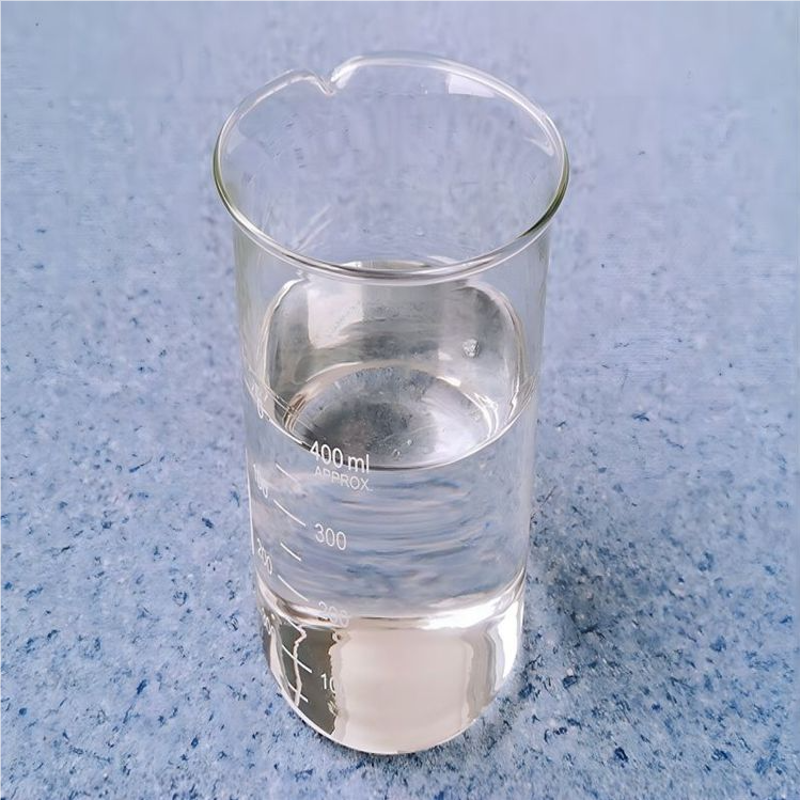
    Clear slightly yellow Liquid

    Density:

    1.507 g/mL at 25 °C(lit.)

    Melting Point:

    24-26 °C

    Boiling Point:

    138-141 °C

    Flash Point:

    >230 °F

    Refractive Index:

    n 20/D 1.572(lit.)

    Water Solubility:

    insoluble

    Storage Conditions:

    0-6°C

    Vapor Pressure:

    0.00598mmHg at 25°C

    Hazard Identification

    Classification of the substance or mixture

    Skin irritation, Category 2

    Eye irritation, Category 2

    Specific target organ toxicity – single exposure, Category 3

    GHS label elements, including precautionary statements

    Pictogram(s)

    Signal word

    Warning

    Hazard statement(s)

    H315 Causes skin irritation

    H319 Causes serious eye irritation

    H335 May cause respiratory irritation

    Precautionary statement(s)
    Prevention

    P264 Wash ... thoroughly after handling.

    P280 Wear protective gloves/protective clothing/eye protection/face protection/hearing protection/...

    P261 Avoid breathing dust/fume/gas/mist/vapours/spray.

    P271 Use only outdoors or in a well-ventilated area.

    Response

    P302+P352 IF ON SKIN: Wash with plenty of water/...

    P321 Specific treatment (see ... on this label).

    P332+P317 If skin irritation occurs: Get medical help.

    P362+P364 Take off contaminated clothing and wash it before reuse.

    P305+P351+P338 IF IN EYES: Rinse cautiously with water for several minutes. Remove contact lenses, if present and easy to do. Continue rinsing.

    P304+P340 IF INHALED: Remove person to fresh air and keep comfortable for breathing.

    P319 Get medical help if you feel unwell.

    Storage

    P403+P233 Store in a well-ventilated place. Keep container tightly closed.

    P405 Store locked up.

    Disposal

    P501 Dispose of contents/container to an appropriate treatment and disposal facility in accordance with applicable laws and regulations, and product characteristics at time of disposal.

    Other hazards which do not result in classification

    no data available

    Handling and Storage

    Precautions for safe handling

    Handling in a well ventilated place. Wear suitable protective clothing. Avoid contact with skin and eyes. Avoid formation of dust and aerosols. Use non-sparking tools. Prevent fire caused by electrostatic discharge steam.

    Conditions for safe storage, including any incompatibilities

    Store the container tightly closed in a dry, cool and well-ventilated place. Store apart from foodstuff containers or incompatible materials.

  • Seller Information
    Business Type:

    Trader

    Main Products:

    CARBONOCHLORIDOTHIOIC ACID,5-OCTYLESTER

    Location:

    B9-2, LIANGFENG COMMUNITY, CHANGSHENGQIAO TOWN, NANAN DISTRICT, CHONGQING CITY,CHINA

    Payment Terms:

    TT against copy of documents,D/P,L/C

    Average lead Time:

    60

    Total Annual Revenue:

    $1 million-$2.5 million

    Total Employees:

    11-50

    Year of Establishment:

    2017

    Certifications:

    GSG,Awards,Certificate of Record for the Handling of Non-Pharmaceutical Precursor Chemicals, Category II,Certificate of Registration for Entities Handling Explosive Hazardous Chemicals,Registration form for foreign trade operators,Hazardous Chemicals Operating License,Certificate of Record for the Handling of Non-Pharmaceutical Precursor Chemicals, Category III,Customs Receipt of Registration for Import/Export Consignees and Consignors,Business License

  • Country Product Purchase Quantity Date Posted
    Post an enquiry for this product
pic ×

Scan the QR Code to Share

All products displayed on this website are only for non-medical purposes such as industrial applications or scientific research, and cannot be used for clinical diagnosis or treatment of humans or animals. They are not medicinal or edible.

According to relevant laws and regulations and the regulations of this website, units or individuals who purchase hazardous materials should obtain valid qualifications and qualification conditions.

The information shown above is provided by the enterprise itself, and the authenticity, accuracy and legitimacy of the content are the responsibility of the publishing company. ECHEMI does not bear any guarantee responsibility for this. Please be aware that risks in internet transactions objectively exist.

Feedback & Suggestions
Send Message

Thank you for your feedback. If you require further assistance, please contact us by email at info@echemi.com or call us at +86-532-55729510.