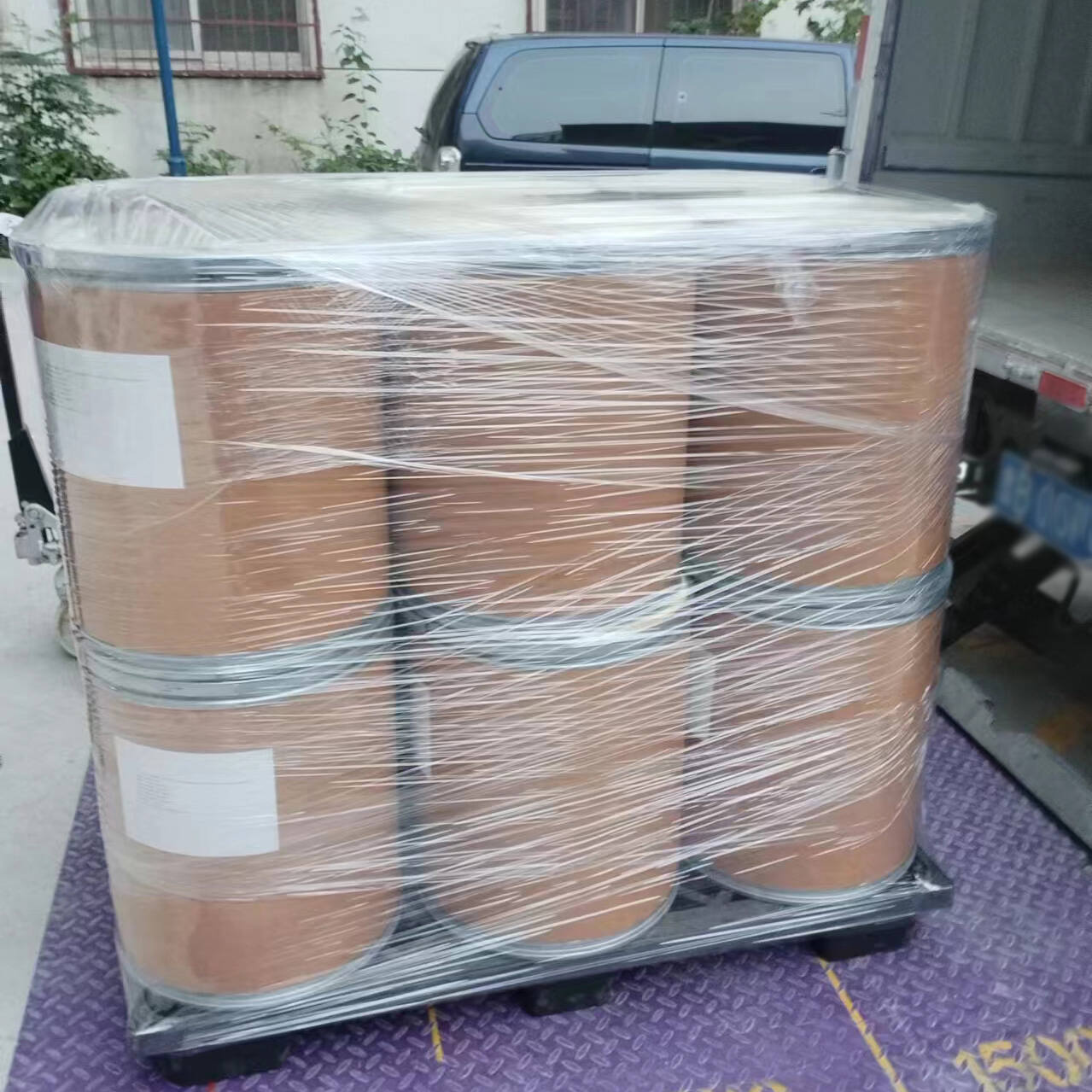
Myristoyl Hexapeptide-16 for Skin Firming Anti-wrinkle and Collagen Boosting
1 Inquiries
959610-54-9
Pharmaceutical Grade
99%
Qingdao
SINOV
1vial
2028-07-03

Weight Loss Peptide,Reta,Tirz,Sema,5 Amino 1mq,Cosmetic raw material,API,SLU-PP-332
-
Product Description
-
Seller Information
-
Inquiry History
-
DescriptionResearch & Reference Note
Myristoyl Hexapeptide-16 for Skin Firming Anti-wrinkle and Collagen Boosting is listed on ECHEMI for industrial / laboratory sourcing. This listing is for industrial and laboratory research use. Product information on ECHEMI is provided for sourcing and specification reference. It is not medical advice, a clinical recommendation, or an approved therapy description. Always verify regulatory status, purity, and intended use with the supplier and applicable authorities before purchase or use.
Authoritative sourcesDisclaimer: This listing is for industrial and laboratory research use. Product information on ECHEMI is provided for sourcing and specification reference. It is not medical advice, a clinical recommendation, or an approved therapy description. Always verify regulatory status, purity, and intended use with the supplier and applicable authorities before purchase or use.
Reviewed by ECHEMI Scientific Review - Platform editorial review for research chemicals
Basic Info-
Product Name:
Myristoyl Hexapeptide-16
Other Name:Myristoyl Hexapeptide-16
CAS No.:959610-54-9
Molecular Formula:C47H91N9O8
Molecular Weight:910.28
Categories:
Characteristics-
Density:
1.072±0.06 g/cm3 | Condition: Temp: 20 °C Press: 760 Torr
Boiling Point:1142.6±65.0 °C | Condition: Press: 760 Torr
Storage Conditions:2-8°C, dry, away from light, sealed
-
-
Seller Information
-
Business Type:
Trader
-
Main Products:
Weight Loss Peptide,Reta,Tirz,Sema,5 Amino 1mq,Cosmetic raw material,API,SLU-PP-332
-
Location:
Unit D01,3/F., Wong King Industrial Building,No.2 Tai Yau Street, Kowloon
-
Payment Terms:
TT against copy of documents,D/P,L/C,D/A,O/A,TT against B/L draft before shipment,100% TT in advance
-
Average lead Time:
7
-
Total Annual Revenue:
$50 million-$100 million
-
Total Employees:
51-100
-
Year of Establishment:
2012
-
-
Inquiry History1 Inquiries
Country Product Purchase Quantity Date Posted  Indonesia
LL 37
1 Aug 6, 2026 Post an enquiry for this product