Thymulin (FTS) Detailed Chemical Introduction
1. Basic Chemical Information
- Synonyms : FTS (Facteur Thymique Sérique), Thymic Serum Factor, Nonathymulin, Thymulin Acetate
- CAS Registration Number : 63958-90-7
- Peptide Type : Nonapeptide (composed of 9 amino acids, linear structure)
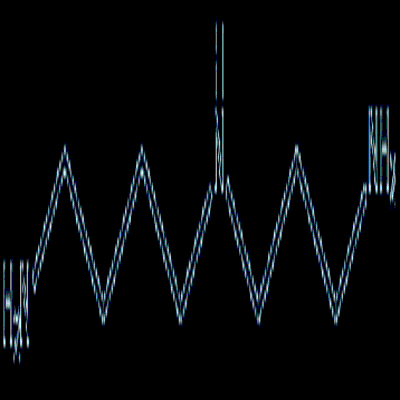
- Amino Acid Sequence : pGlu-Ala-Lys-Ser-Gln-Gly-Gly-Ser-Asn-OH (Pyr-Ala-Lys-Ser-Gln-Gly-Gly-Ser-Asn-OH)
- Molecular Formula :
![Shop Thymulin-Detailed Image 1]()
- Molecular Weight : 858.85 Da (Predicted: 859.89 g/mol)
- InChIKey : LIFNDDBLJFPEAN-BPSSIEEOSA-N
- SMILES : C(O)(=O)(C@H)(CC(N)=O)NC(=O)(C@H)(CO)NC(=O)CNC(=O)CNC(=O)(C@H)(CCC(N)=O)NC(=O)(C@H)(CO)NC(=O)(C@H)(CCCCN)NC(=O)(C@H)(C)NC(=O)(C@@H)1CCC(=O)N1
2. Physicochemical Properties
- Appearance : White to off-white lyophilized powder (cake or crystalline form), odorless, tasteless
- Density : 1.417±0.06 g/cm³ (Predicted)
- Boiling Point : 1658.9±65.0 °C (Predicted)
- pKa : 3.08±0.10 (Predicted)
- Solubility : Easily soluble in sterile deionized water (18 mΩ·cm H₂O) at a concentration not less than 100 µg/ml; slightly soluble in aqueous buffers; insoluble in organic solvents such as ethanol, methanol and acetone; dissolves completely and quickly in bacteriostatic water to form a clear, colorless solution.
- Stability : Stable at room temperature for 3 weeks; stable for ≥4 years when stored properly; resistant to heat (biological activity not reduced at 80 °C), but biological activity is lost when hydrolyzed into amino acids; sensitive to moisture and freeze-thaw cycles.
- Zinc Dependence : Strictly zinc-dependent; must bind to Zn²⁺ in a 1:1 ratio to form Thymulin-Zn complex to exert full biological activity; free Thymulin (unbound to zinc) has no immune activity.
3. Biological Characteristics
Thymulin is an endogenous hormone peptide primarily secreted by thymic epithelial cells; it can also be produced by macrophages and fibroblasts under extracellular stress (such as heat or oxidative stress). It was first discovered and described by Bach in 1977, and it plays a crucial role in regulating the body's immune function, neuroendocrine balance, and anti-inflammatory response. Its biological activity is closely related to zinc binding, and the formation of Thymulin-Zn complex is the prerequisite for its function.
4. Main Biological Functions
4.1 Immune Modulation (Primary Function)
- Promotes the differentiation and maturation of naive thymocytes into functional CD4⁺ and CD8⁺ T lymphocytes, thereby reconstructing and enhancing cellular immunity.
- Enhances the activity of natural killer (NK) cells, strengthens immune surveillance against tumors and viruses, and improves the body's anti-infection and anti-tumor capabilities.
- Regulates the cytokine network: upregulates anti-inflammatory cytokines such as IL-2 and IFN-γ; inhibits pro-inflammatory cytokines including TNF-α and IL-6 to balance immune-inflammatory responses, and reduces excessive inflammation damage.
- Intervenes in immunosenescence: endogenous Thymulin levels decrease significantly with age, which is directly associated with age-related immune decline; exogenous supplementation can improve immune function in the elderly.
- Potentiates mitogen-induced proliferation of IL-2 receptor-positive mature T cells, and inhibits autoantibody production in autoimmune disease models.
4.2 Neuroendocrine Regulation
It interacts with the hypothalamic-pituitary-adrenal (HPA) axis, exhibits a circadian rhythm, regulates the secretion of pituitary hormones such as ACTH, and mediates crosstalk between the immune system and the neuroendocrine system, maintaining the homeostasis of the body's internal environment.
4.3 Anti-inflammation & Neuroprotection
It inhibits the activation of central microglia, reduces neuroinflammation, and its analogs have potential neuroprotective and analgesic effects; it can prevent endotoxin-induced hyperalgesia in animal models, and has research value in the treatment of neurodegenerative diseases and rheumatoid inflammation.
5. Production Process & Purification
5.1 Raw Material & Extraction (Natural Extraction)
Raw material: Calf thymus; remove fat, fascia and other non-thymic tissues, refrigerate at -20 °C, rinse with sterile distilled water, and mince with a sterile meat grinder. Mix the minced thymus with cold injection water at a mass ratio of 1:1, and homogenize in a high-speed tissue masher at 10000 r/min for 1 minute. Soak and extract the homogenate below 10 °C, freeze at -20 °C for 48 hours, thaw, heat to 80 °C in a water bath for 5 minutes, cool quickly, refrigerate at -20 °C for 2-3 days, thaw again, centrifuge at 5000 r/min for 40 minutes at 2 °C, take the supernatant, and filter under reduced pressure to obtain the crude extract of active peptides.
5.2 Purification & Preparation
Ultrafiltration: Use an ultrafiltration membrane that can retain molecules with a relative molecular mass below 10,000 to ultrafilter the crude extract to obtain a refined solution, which is refrigerated at -20 °C. After passing the inspection, add 3% mannitol as an excipient, perform sterile filtration, aliquot, and freeze-dry to obtain the finished product (lyophilized powder). The whole process shall be carried out in accordance with sterile operation specifications.
5.3 Synthetic Method (Chemical Synthesis)
Adopt solid-phase peptide synthesis technology, use PCR to amplify and clone the chemically synthesized Thymulin gene into a carrier, insert it into an expression vector, transform it into an expression host, induce expression, and obtain the target peptide through affinity chromatography, reverse-phase high-performance liquid chromatography (RP-HPLC) purification and renaturation; the product has high purity and stable quality, which is the main production method of high-purity Thymulin for scientific research and industrial use.
6. Quality Control & Detection Standards
6.1 Quality Indicators
- Purity : ≥98.0% (determined by RP-HPLC); single impurity ≤1.0%;
- Peptide Content : ≥80.0%;
- Acetate Content : 5.0%~ 12.0% (for Thymulin Acetate);
- Moisture Content : ≤10.0%;
- Microbial Limit : No pathogenic bacteria detected; total bacterial count ≤100 CFU/g;
- Zinc Content : Specified clearly for Thymulin-Zn complex products;
- Identity : Confirmed by mass spectrometry (MS) to verify molecular structure and peptide sequence integrity.
6.2 Detection Methods
- Purity and concentration determination: High-Performance Liquid Chromatography (HPLC);
- Identity confirmation: Mass Spectrometry (MS) analysis;
- Microbial detection: Comprehensive microbiological screening;
- Moisture and acetate content determination: Gravimetric method and titration method;
- All tests are carried out by independent accredited laboratories in accordance with GMP guidelines to ensure the accuracy and reliability of test results.
6.3 Quality Identification Indicators
- Qualified Indicators : White to off-white lyophilized powder, quick and complete dissolution in water, clear and colorless solution after reconstitution, with third-party HPLC and MS verification, vacuum-sealed vial, and complete Certificate of Analysis (COA) showing purity ≥95%.
- Unqualified Indicators : Yellow, brown or discolored powder, visible particles or turbidity after reconstitution, clumping that is difficult to dissolve, no COA or fraudulent COA, damaged vial seal, or Thymulin products sold without zinc (biologically inactive).
7. Research and Application Directions
- Immunology Research : Research on immunodeficiency, age-related immune decline, autoimmune diseases and chronic inflammation (such as rheumatoid arthritis, systemic lupus erythematosus);
- Pharmacological Research : Research on neuroinflammation, neurodegenerative diseases, analgesia and anti-inflammatory pharmacology, and development of related peptide drugs;
- Drug Development : Development of Thymulin-Zn complex preparations, peptide drugs for immune regulation, and auxiliary drugs for tumor treatment;
- Laboratory Use : High-purity synthetic Thymulin (≥98%) is widely used in cell experiments, animal models and other scientific research fields; it is for laboratory research only and not for human or veterinary use;
- Industrial Application : As an intermediate for peptide drugs, it is used in the production of pharmaceutical raw materials and biochemical reagents.
8. Storage, Transportation & Safety
8.1 Storage Conditions
- Lyophilized powder: Store at -20 °C (or below -18 °C) in a sealed, dry and dark environment, away from moisture and heat sources;
- Reconstituted solution: Store at 4 °C for 2-7 days; store below -18 °C for long-term use after reconstitution, and add 0.1% HSA or BSA as a carrier protein to improve stability;
- Avoid repeated freeze-thaw cycles to prevent loss of biological activity and degradation of the product.
8.2 Transportation Requirements
Adopt vacuum packaging and validated thermal insulation packaging; transport at room temperature in continental US, and adopt cold chain logistics for international transportation and long-distance transportation to prevent thermal degradation of the product; avoid extrusion, collision and moisture during transportation.
8.3 Safety Instructions
- This product is for laboratory research or industrial use only, not for human or veterinary use, and shall not be used for clinical diagnosis or treatment;
- Avoid direct contact with skin and mucous membranes; wear protective equipment (gloves, masks, goggles) during operation;
- In case of accidental contact, rinse with plenty of water immediately; if ingested by mistake, seek medical attention in time;
- Dispose of waste products in accordance with relevant national and local chemical waste disposal regulations, and shall not be discarded at will.
9. Distinction from Similar Peptides (High-Frequency Errors in Foreign Trade/Peptide Data)
Name |
Type |
Key Differences |
Thymulin (FTS) |
Single nonapeptide, zinc-dependent, thymus-specific; can be synthetic or naturally extracted |
Clear structure, small molecule, activated by zinc; high purity (≥98%) available; for research and industrial use |
Thymalin |
Crude mixture of thymic peptides, non-zinc-dependent |
Non-single sequence, complex composition, low purity; different from Thymulin in structure and function |
Thymosin α1 |
28-amino acid peptide, zinc-independent |
Clinically commonly used immune peptide, completely different sequence from Thymulin; widely used in clinical practice |
10. Packaging Specifications & Supply Information
- Packaging Specifications : Vacuum-sealed vials; common specifications: 1mg, 5mg, 10mg, 50mg, 100mg, 1g; can be aliquoted according to customer requirements;
- Supply Capacity : Can provide large-scale supply (kg level) for industrial use, and small-scale supply (mg level) for laboratory research;
- Certificate Provision : Each batch of products is accompanied by a Certificate of Analysis (COA), including purity, detection results, production date, expiration date and other information;
- Shelf Life : ≥4 years when stored in accordance with the specified conditions; 6 months at -80 °C and 1 month at -20 °C after reconstitution (sealed storage).







 United States
 Netherlands
 Kenya
Kenya