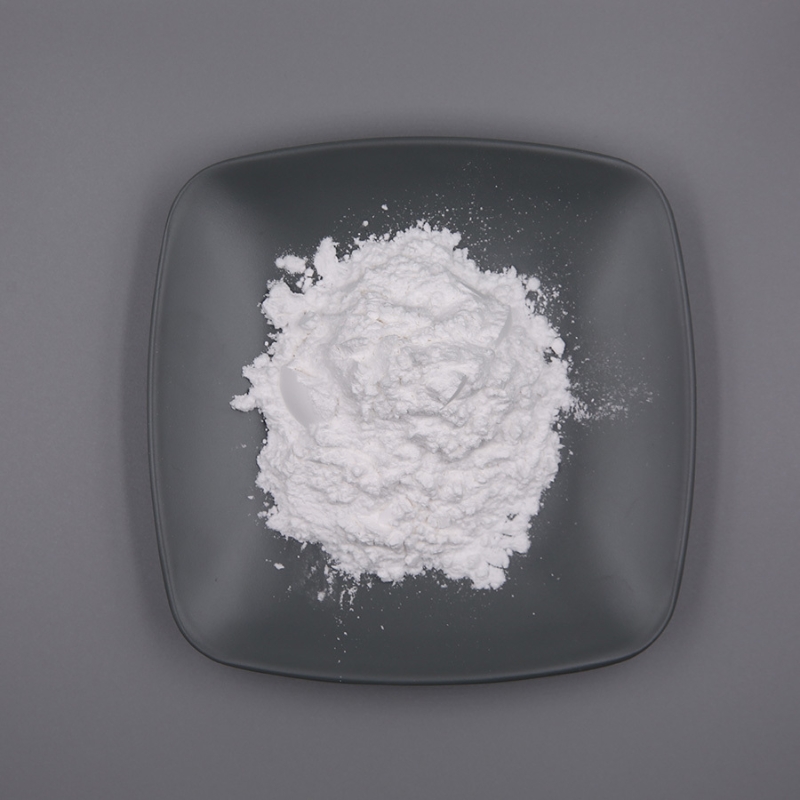
Chemical Composition: 1. Calamine's main component is zinc carbonate (ZnCO3), with trace amounts of calcium oxide (CaO) 0.27%, magnesium oxide (MgO) 0.45%, iron oxide (Fe2O3) 0.58%, and manganese oxide (MnO) 0.01%. Zinc is often replaced by a small amount of iron (divalent). Some also contain trace amounts of cobalt, copper, cadmium, lead, and germanium and indium. Calamine from Qingdao and Jinan contains small amounts of iron, aluminum, calcium, magnesium, and trace amounts of sodium. 2. Floating Calamine's main component is basic zinc carbonate [Zn5(CO3)2·(OH)6], and contains impurities such as lead, cadmium, magnesium, iron, and aluminum. Pharmacological Action: Calamine is a water-insoluble natural zinc carbonate widely used in dermatology as a moderate antiseptic, astringent, and protective agent to treat skin inflammation or surface wounds. It is generally used as a 5-10% aqueous suspension (lotion), and ointments are also sometimes used. External application can inhibit the growth of Staphylococcus aureus locally. It can partially absorb wound secretions and has astringent and protective effects; it can also inhibit the growth of Staphylococcus aureus locally. Identification (1) Examine this product under ultraviolet light (253.7nm), and it shows a light blue-purple fluorescence. (2) Take 1g of the coarse powder of this product, add 10ml of dilute hydrochloric acid, and it will boil immediately. When this gas is introduced into calcium hydroxide test solution, a color-changing precipitate will form. (Test for carbonates) (3) Take the dilute hydrochloric acid solution of this product, filter it, and add potassium ferrocyanide test solution to the filtrate. A white precipitate will form, or there may be a small amount of blue precipitate. (Test for zinc salts) (4) Take a small piece of this product, place it in a test tube with a cork stopper with a round hole, and burn it. Water will be generated on the tube wall (test for zinc ore); no water will be generated on the tube wall. (Test for smithsonite)
Chemical Composition: 1. Calamine's main component is zinc carbonate (ZnCO3), with trace amounts of calcium oxide (CaO) 0.27%, magnesium oxide (MgO) 0.45%, iron oxide (Fe2O3) 0.58%, and manganese oxide (MnO) 0.01%. Zinc is often replaced by a small amount of iron (divalent). Some also contain trace amounts of cobalt, copper, cadmium, lead, and germanium and indium. Calamine from Qingdao and Jinan contains small amounts of iron, aluminum, calcium, magnesium, and trace amounts of sodium. 2. Floating Calamine's main component is basic zinc carbonate [Zn5(CO3)2·(OH)6], and contains impurities such as lead, cadmium, magnesium, iron, and aluminum. Pharmacological Action: Calamine is a water-insoluble natural zinc carbonate widely used in dermatology as a moderate antiseptic, astringent, and protective agent to treat skin inflammation or surface wounds. It is generally used as a 5-10% aqueous suspension (lotion), and ointments are also sometimes used. External application can inhibit the growth of Staphylococcus aureus locally. It can partially absorb wound secretions and has astringent and protective effects; it can also inhibit the growth of Staphylococcus aureus locally. Identification (1) Examine this product under ultraviolet light (253.7nm), and it shows a light blue-purple fluorescence. (2) Take 1g of the coarse powder of this product, add 10ml of dilute hydrochloric acid, and it will boil immediately. When this gas is introduced into calcium hydroxide test solution, a color-changing precipitate will form. (Test for carbonates) (3) Take the dilute hydrochloric acid solution of this product, filter it, and add potassium ferrocyanide test solution to the filtrate. A white precipitate will form, or there may be a small amount of blue precipitate. (Test for zinc salts) (4) Take a small piece of this product, place it in a test tube with a cork stopper with a round hole, and burn it. Water will be generated on the tube wall (test for zinc ore); no water will be generated on the tube wall. (Test for smithsonite)
Chemical Composition: 1. Calamine's main component is zinc carbonate (ZnCO3), with trace amounts of calcium oxide (CaO) 0.27%, magnesium oxide (MgO) 0.45%, iron oxide (Fe2O3) 0.58%, and manganese oxide (MnO) 0.01%. Zinc is often replaced by a small amount of iron (divalent). Some also contain trace amounts of cobalt, copper, cadmium, lead, and germanium and indium. Calamine from Qingdao and Jinan contains small amounts of iron, aluminum, calcium, magnesium, and trace amounts of sodium. 2. Floating Calamine's main component is basic zinc carbonate [Zn5(CO3)2·(OH)6], and contains impurities such as lead, cadmium, magnesium, iron, and aluminum. Pharmacological Action: Calamine is a water-insoluble natural zinc carbonate widely used in dermatology as a moderate antiseptic, astringent, and protective agent to treat skin inflammation or surface wounds. It is generally used as a 5-10% aqueous suspension (lotion), and ointments are also sometimes used. External application can inhibit the growth of Staphylococcus aureus locally. It can partially absorb wound secretions and has astringent and protective effects; it can also inhibit the growth of Staphylococcus aureus locally. Identification (1) Examine this product under ultraviolet light (253.7nm), and it shows a light blue-purple fluorescence. (2) Take 1g of the coarse powder of this product, add 10ml of dilute hydrochloric acid, and it will boil immediately. When this gas is introduced into calcium hydroxide test solution, a color-changing precipitate will form. (Test for carbonates) (3) Take the dilute hydrochloric acid solution of this product, filter it, and add potassium ferrocyanide test solution to the filtrate. A white precipitate will form, or there may be a small amount of blue precipitate. (Test for zinc salts) (4) Take a small piece of this product, place it in a test tube with a cork stopper with a round hole, and burn it. Water will be generated on the tube wall (test for zinc ore); no water will be generated on the tube wall. (Test for smithsonite)









 Mexico
 Malaysia