Product
Supplier
Encyclopedia
Inquiry
Catechol120-80-9 buy - large image1
Catechol120-80-9 buy - image1
Catechol120-80-9 buy - image2
Catechol120-80-9 buy - image3
Catechol120-80-9 buy - image4
Catechol120-80-9 buy - image5
Catechol120-80-9 buy - image6

Catechol120-80-9

2 Inquiries

Unit Price:

$33-34/MT FOB

Get Latest Price
CAS No.:

120-80-9

Grade:

Pharmaceutical Grade

Content:

99.5%

Port:

上海

Brand:

OORENT

Packaging:

Vial/Bottle/Bag/Carton

Price valid (until):

2026-07-16

Company Type:
Trader
Location:
China
Qualification:
Main Products:

pharmaceutical intermediates,peptides,electronic chemicals

  • Product Description

  • Seller Information

  • Inquiry History

  • Description


      Product Detail  


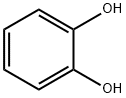
    Catechol Basic information
    Product Name: Catechol
    Synonyms: 1,2-Benzenediol (pyrocatechol);1,2-benzenediol[qr];1,2-dihydroxybenzene[qr];2-Hydroxyphenol;2-hydroxyphenol[qr];ai3-03995[qr];Benzene, o-dihydroxy-;benzene,1,2-dihydroxy-
    CAS: 120-80-9
    MF: C6H6O2
    MW: 110.11
    EINECS: 204-427-5
    Product Categories: Building Blocks;Chemical Synthesis;Aromatics;Organic Building Blocks;Oxygen Compounds;Polyols;Intermediates;Aromatic Phenols;Miscellaneous Reagents;A
    Mol File: 120-80-9.mol
    Shop Catechol120-80-9-Detailed Image 1

    Catechol Chemical Properties
    Melting point  100-103 °C (lit.)
    Boiling point  245 °C (lit.)
    density  1,371 g/cm3
    vapor density  3.8 (vs air)
    vapor pressure  1 mm Hg ( 75 °C)
    refractive index  1.6120 (estimate)
    Fp  279 °F
    storage temp.  Store below +30°C.
    solubility  430g/l
    pka 9.85(at 20℃)
    form  Crystalline Flakes
    color  white to faintly beige
    PH 6 (100g/l, H2O, 20℃)
    explosive limit 1.97%(V)
    biological source synthetic (organic)
    Water Solubility  430 g/L (20 ºC)
    Sensitive  Air & Light Sensitive
    Merck  14,7999
    BRN  471401
    Henry's Law Constant 8.2×10³ mol/(m3Pa) at 25℃, Duchowicz et al. (2020)
    Exposure limits TLV-TWA 5 ppm (~22 mg/m3) (ACGIH). .
    Stability: Stable. Substances to be avoided include acid chlorides, acid anhydrides, bases, oxidizing agents, nitric acid. Light sensitive; may discolour on exposure to air. Combustible.
    Cosmetics Ingredients Functions HAIR DYEING
    InChI 1S/C6H6O2/c7-5-3-1-2-4-6(5)8/h1-4,7-8H
    InChIKey YCIMNLLNPGFGHC-UHFFFAOYSA-N
    SMILES Oc1ccccc1O
    LogP 0.93
    CAS DataBase Reference 120-80-9(CAS DataBase Reference)
    NIST Chemistry Reference 1,2-Benzenediol(120-80-9)
    IARC 2B (Vol. 15, Sup 7, 71) 1999
    EPA Substance Registry System Catechol (120-80-9)

    Safety Information
    Hazard Codes  Xn
    Risk Statements  21/22-36/38-68-43
    Safety Statements  22-26-37-39
    RIDADR  UN 2811 6.1/PG 3
    OEB A
    OEL TWA: 5 ppm (20 mg/m3) [skin]
    WGK Germany  2
    RTECS  UX1050000
    TSCA  TSCA listed
    HS Code  2907 29 00
    HazardClass  6.1
    PackingGroup  III
    Storage Class 6.1C - Combustible acute toxic Cat.3
    toxic compounds or compounds which causing chronic effects
    Hazard Classifications Acute Tox. 3 Dermal
    Acute Tox. 3 Oral
    Carc. 1B
    Eye Dam. 1
    Muta. 2
    Skin Irrit. 2
    Skin Sens. 1
    Hazardous Substances Data 120-80-9(Hazardous Substances Data)
    Toxicity LD50 in mice (mg/kg): 260 orally; 190 i.p. (Lehman)

    Catechol Usage And Synthesis
    Description Catechol is a white crystalline solid. Turnsbrown on contact with light and air. Molecularweight=110.12; Specific gravity (H2O:1)=1.3; Boilingpoint=245.5℃; Freezing/Melting point=104℃. It sublimes readily; Vapor pressure=10 mmHg at 117℃; Flashpoint=127℃; Autoignition temperature=512℃.Explosive Limits in air: LEL=1.4%; UEL-Unknown.Hazard Identification (based on NFPA 704 M RatingSystem): Health 3, Flammability 1, Reactivity 2. Solubilityin water=44%.
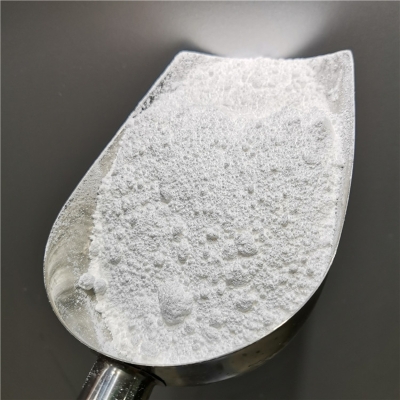
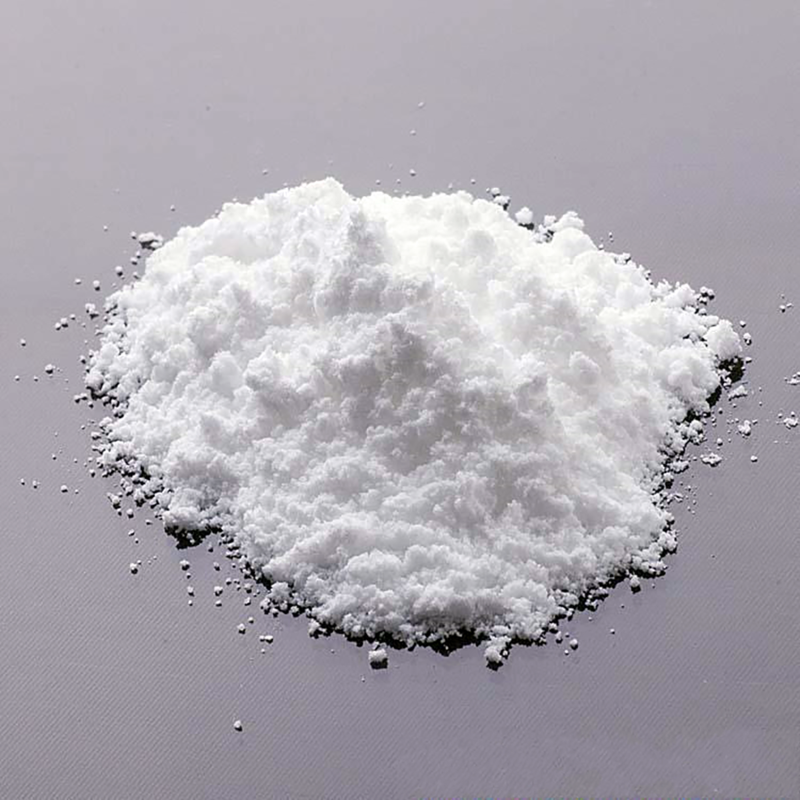
    Chemical Properties Off-white powder
    Chemical Properties Catechol also called Pyrocatechol is a white crystalline solid. Turns brown on contact with light and air.
    Uses Catechol is used in photography, in dyeing fur, and as a topical antiseptic.
    Uses In photography; dyeing fur; as reagent.
    Uses In the manufacture of rubber antioxidants and monomer inhibitors to stop radical polymerization; in dyes, as a photographic developer; in formulations for pharmaceuticals, perfumes, inks, and insecticides
    Production Methods Catechol may be obtained by the fusion of o-phenolsulfonic acid with alkali, by heating chorophenol with a solution of sodium hydroxide at 200°C in an autoclave, or by cleavage of the methyl ether group of guaiacol (obtained from beechwood tar) with hydriodic acid.
    Definition A colourless crystalline PHENOL containing two hydroxyl groups. It is used in photographic developing.
    Synthesis Reference(s) The Journal of Organic Chemistry, 45, p. 4275, 1980 DOI: 10.1021/jo01310a003
    General Description Solid; white; odorless. Sinks and mixes with water.
    Air & Water Reactions Turns brown on exposure to air and light, especially when moist. Water soluble. Aqueous solutions soon turn brown on exposure to air and light.
    Reactivity Profile POISONOUS GASES MAY BE PRODUCED WHEN HEATED. Pyrocatechol may form toxic fumes at high temperatures. [USCG, 1999]. Pyrocatechol can react with acid chlorides, acid anhydrides, bases and oxidizing agents. Pyrocatechol reacts violently on contact with concentrated nitric acid. Pyrocatechol acts as a reducing agent .
    Hazard Strong irritant. Toxic by skin absorption. Eye and upper respiratory tract irritant, and der- matitis. Possible carcinogen.
    Health Hazard DUST: Irritating to eyes, nose and throat. If inhaled will cause coughing or difficult breathing. SOLID: Will burn skin and eyes. Harmful if swallowed.
    Health Hazard Acute oral and percutaneous toxicity of pyrocatechol is greater than that of phenol; inhalation toxicity is less than that of phenol. The toxic symptoms include weakness, muscular pain, dark urine, tremor, dyspnea, and convulsions. Large amounts can produce degenerative changes in renal tubules. Large doses can cause death due to respiratory failure. Skin contact can cause eczematous dermatitis.
    LD50 value, oral (rats): 260 mg/kg
    LD50 value, skin (rabbits): 800 mg/kg.
    Fire Hazard Combustible. POISONOUS GASES MAY BE PRODUCED WHEN HEATED. May form toxic fumes at high temperatures.
    Flammability and Explosibility Non flammable
    Safety Profile Poison by ingestion, subcutaneous, intraperitoneal, intravenous, and parenteral routes. Moderately toxic by skin contact. Experimental reproductive effects. Can cause dermatitis on skin contact. An allergen. Human mutation data reported. Questionable carcinogen. Systemic effects sirmlar to those of phenol. Combustible when exposed to heat or flame; can react vigorously with oxidizing materials. Hypergolic reaction with concentrated nitric acid. To fight fire, use water, CO2, dry chemical. When heated to decomposition it emits acrid smoke and irritating fumes. See also PHENOL.
    Potential Exposure Used as a chemical intermediate; pharmaceutical and veterinary drug; as an antiseptic; in photography; in dyestuff manufacture and application. It is also used in electroplating, in the formulation of specialty inks; in antioxidants; and light stabilizers.
    First aid If this chemical gets into the eyes, remove anycontact lenses at once and irrigate immediately for at least15 min, occasionally lifting upper and lower lids. Seek medical attention immediately. If this chemical contacts theskin, remove contaminated clothing and wash immediatelywith soap and water. Seek medical attention immediately. Ifthis chemical has been inhaled, remove from exposure,begin rescue breathing (using universal precautions, including resuscitation mask) if breathing has stopped and CPR ifheart action has stopped. Transfer promptly to a medicalfacility. When this chemical has been swallowed, get medical attention. Give large quantities of water and inducevomiting. Do not make an unconscious person vomit.
    Note to physician: Treat for methemoglobinemia.Spectrophotometry may be required for precise determination of levels of methemoglobinemia in urine.
    Carcinogenicity Catechol has been extensively studied for its role in carcinogenesis of the rat glandular stomach; it was concluded that pyrocatechol is carcinogenic. When rats and mice were administered 0.8% pyrocatechol in their feed for life, there was an increase in glandular stomach adenocarcinoma in both male and female rats. Pyrocatechol also caused hyperplasia of the glandular stomach in both rats and mice, a mechanism that could cause promotion of carcinogen-initiated cells; no effects on the esophagus or urinary bladder were reported. There were no cutaneous neoplasms when pyrocatechol was applied in dermal studies. Catechol may be classified as a cocarcinogen because it enhanced the number and/or incidence of lesions in the stomach induced by several carcinogenic nitrosamines and cutaneous neoplasms when administered dermally together with several carcinogens.
    storage Color Code—Blue: Health Hazard/Poison: Storein a secure poison location. Prior to working with catecholyou should be trained on its proper handling and storage.Before entering confined space where this chemical may bepresent, check to make sure that an explosive concentrationdoes not exist. Store in tightly closed containers in a cool,well-ventilated area away from strong oxidizers and acids.Use only nonsparking tools and equipment, especially whenopening and closing containers of this chemical. Sources ofignition, such as smoking and open flames, are prohibitedwhere this chemical is used, handled, or stored in a mannerthat could create a potential fire or explosion hazard.
    Shipping UN 2811 Toxic solids, organic, n.o.s., Hazard Class: 6.1; Labels: 6.1-Poisonous materials, Technical Name Required.
    Purification Methods Crystallise catechol from *benzene or toluene and sublime it in vacuo. [Rozo et al. Anal Chem 58 2988 1986, Beilstein 6 IV 5557.]
    Incompatibilities Incompatible with oxidizers (chlorates, nitrates, peroxides, permanganates, perchlorates, chlorine, bromine, fluorine, etc.); contact may cause fires or explosions. Keep away from alkaline materials, strong bases, strong acids, oxoacids, epoxides.

    Shop o-Phenylenediamine95-54-5-Detailed Image 5 Shop o-Phenylenediamine95-54-5-Detailed Image 6 Shop o-Phenylenediamine95-54-5-Detailed Image 7 Shop o-Phenylenediamine95-54-5-Detailed Image 8 Shop o-Phenylenediamine95-54-5-Detailed Image 9 Shop o-Phenylenediamine95-54-5-Detailed Image 10  


    Basic Info
    Product Name:

    Catechol

    Other Name:

    1,2-Benzenediol;Pyrocatechol;C.I. 76500;o-Benzenediol;C.I. Oxidation Base 26;o-Dihydroxybenzene;1,2-Dihydroxybenzene;Durafur Developer C;Fouramine PCH;Fourrine 68;2-Hydroxyphenol;Oxyphenic acid;Pelagol Grey C;Pyrocatechin;Catechol;o-Dioxybenzene;o-Hydroxyphenol;Catechol (phenol);Pyrocatechine;o-Phenylenediol;Phthalhydroquinone;o-Hydroquinone;Phthalic alcohol;NSC 1573;Z 1;Z 1 (inhibitor);1,2-Hydroxybenzene;5,6-Dihydroxybenzene;16474-90-1;16474-89-8;37349-32-9

    CAS No.:

    120-80-9

    Molecular Formula:

    C6H6O2

    InChIKeys:

    InChIKey=YCIMNLLNPGFGHC-UHFFFAOYSA-N

    Molecular Weight:

    110.11

    Exact Mass:

    110.11

    BRN:

    471401

    EC Number:

    204-427-5

    HScode:

    2907291000

    Characteristics
    PSA:

    40.5

    XLogP3:

    0.88

    Appearance:

    white to faintly beige Crystalline Flakes

    Density:

    1.344 g/cm3

    Melting Point:

    105 °C

    Boiling Point:

    245.5 °C @ Press: 760 Torr

    Flash Point:

    279 °F

    Refractive Index:

    1.612

    Water Solubility:

    H2O: 430 g/L (20 ºC)

    Storage Conditions:

    Store at RT.

    Vapor Pressure:

    1 mm Hg ( 75 °C)

    Vapor Density:

    3.8 (vs air)

    Toxicity:

    Oral-rat LD50: 260 mg/kg; Oral-Mouse LD50: 260 mg/kg

    Flammability characteristics:

    In case of heat, open flame is combustible; burning produces irritating smoke

    Explosive limit:

    1.97%(V)

    Odor:

    Faint characteristic odor

    Taste:

    Sweet and bitter taste

    PKA:

    9.45(at 25 °C)

    Hazard Identification

    Classification of the substance or mixture

    Acute toxicity - Category 3, Oral

    Acute toxicity - Category 3, Dermal

    Skin irritation, Category 2

    Eye irritation, Category 2

    Germ cell mutagenicity, Category 2

    Carcinogenicity, Category 1B

    GHS label elements, including precautionary statements

    Pictogram(s)
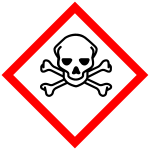
    Signal word

    Danger

    Hazard statement(s)

    H301 Toxic if swallowed

    H311 Toxic in contact with skin

    H315 Causes skin irritation

    H319 Causes serious eye irritation

    H341 Suspected of causing genetic defects

    H350 May cause cancer

    Precautionary statement(s)
    Prevention

    P264 Wash ... thoroughly after handling.

    P270 Do not eat, drink or smoke when using this product.

    P280 Wear protective gloves/protective clothing/eye protection/face protection/hearing protection/...

    P203 Obtain, read and follow all safety instructions before use.

    Response

    P301+P316 IF SWALLOWED: Get emergency medical help immediately.

    P321 Specific treatment (see ... on this label).

    P330 Rinse mouth.

    P302+P352 IF ON SKIN: Wash with plenty of water/...

    P316 Get emergency medical help immediately.

    P361+P364 Take off immediately all contaminated clothing and wash it before reuse.

    P332+P317 If skin irritation occurs: Get medical help.

    P362+P364 Take off contaminated clothing and wash it before reuse.

    P305+P351+P338 IF IN EYES: Rinse cautiously with water for several minutes. Remove contact lenses, if present and easy to do. Continue rinsing.

    P318 IF exposed or concerned, get medical advice.

    Storage

    P405 Store locked up.

    Disposal

    P501 Dispose of contents/container to an appropriate treatment and disposal facility in accordance with applicable laws and regulations, and product characteristics at time of disposal.

    Other hazards which do not result in classification

    no data available

    Handling and Storage

    Precautions for safe handling

    NO open flames. NO contact with oxidizing agents. Handling in a well ventilated place. Wear suitable protective clothing. Avoid contact with skin and eyes. Avoid formation of dust and aerosols. Use non-sparking tools. Prevent fire caused by electrostatic discharge steam.

    Conditions for safe storage, including any incompatibilities

    Well closed. Separated from oxidants and food and feedstuffs. Keep in the dark. Ventilation along the floor. Store in an area without drain or sewer access.Separated from strong oxidants, food and feedstuffs. Keep in the dark. Ventilation along the floor.

  • Seller Information
    Business Type:

    Trader

    Main Products:

    pharmaceutical intermediates,peptides,electronic chemicals

    Location:

    Room 102, 1st Floor, East Office Building, No. 45 Pengwan Road, Qianwan Bonded Port Area, Qingdao Zone, China (Shandong) Pilot Free Trade Zone

    Payment Terms:

    100% TT in advance

    Average lead Time:

    10

    Total Annual Revenue:

    $10 million-$25 million

    Total Employees:

    51-100

    Year of Establishment:

    2024

    A reliable supplier is like insurance.

    We are mainly specilized in supply of pharmaceutical intermediates, electronic chemicals,food additives, and other fine chemical products.
    Integrity is the foundation, quality is life. We would like to work together with you to build a greener and brighter future.

    Website: orientchem.cc
    Email: scarlett@orientchem.cc
    WhatsApp: +86 17753254221

  • Inquiry History
    2 Inquiries
    Country Product Purchase Quantity Date Posted
    United States

    Catechol

    100 KG Nov 19, 2024
    Latvia

    catechol

    100 G Aug 12, 2023
    Post an enquiry for this product
pic ×

Scan the QR Code to Share

All products displayed on this website are only for non-medical purposes such as industrial applications or scientific research, and cannot be used for clinical diagnosis or treatment of humans or animals. They are not medicinal or edible.

According to relevant laws and regulations and the regulations of this website, units or individuals who purchase hazardous materials should obtain valid qualifications and qualification conditions.

The information shown above is provided by the enterprise itself, and the authenticity, accuracy and legitimacy of the content are the responsibility of the publishing company. ECHEMI does not bear any guarantee responsibility for this. Please be aware that risks in internet transactions objectively exist.

Feedback & Suggestions
Send Message

Thank you for your feedback. If you require further assistance, please contact us by email at info@echemi.com or call us at +86-532-55729510.