DL-Homocysteine Thiolactone Hydrochloride CAS 6038-19-3 99% Homocysteine Precursor Erdosteine Intermediate
Keywords: 3-aminothiolan-2-one hydrochloride, 3-aminodihydro-2(3H)-thiophenone monohydrochloride, DL-homocysteine thiolactone HCl, DL-Hcy TLHC, NSC 22879, CAS 6038-19-3, cyclic thioester amino acid derivative
Product Overview
DL-Homocysteine thiolactone hydrochloride (CAS 6038-19-3) is the hydrochloride salt of a five membered cyclic thioester, supplied as a white to faint grey crystalline powder. The molecule combines a strained thiolactone ring with a primary amine, and this combination is what makes it a working reagent rather than a shelf curiosity: the ring opens readily on contact with amines, alcohols or water and releases a free thiol in the same step. In practice the compound is used as the direct precursor to DL-homocysteine in biochemical work, as the standard reagent for generating N-homocysteinylated protein, and as a route intermediate in the manufacture of erdosteine and citiolone. The material is the racemic DL form, specific rotation inactive, with an assay of not less than 99.0 percent. For research use only, not intended for human or veterinary use.
Key Attributes
| CAS No. |
6038-19-3 |
| EC No. |
227-923-3 |
| MDL No. |
MFCD00012724 |
| InChI Key |
ZSEGSUBKDSEALH-UHFFFAOYSA-N |
| Chemical Name |
3-Aminothiolan-2-one hydrochloride; 3-aminodihydro-2(3H)-thiophenone monohydrochloride |
| Molecular Formula |
C4H8ClNOS |
| Molecular Weight |
153.63 g/mol |
| Stereochemistry |
DL form, racemic, specific rotation inactive |
| Chemical Family |
Cyclic thioester (thiolactone), sulfur containing amino acid derivative |
| Appearance |
White to faint grey powder or crystals |
| Melting Point |
198 to 208 C, with decomposition |
| Purity / Assay |
Not less than 99.0% |
| Solubility |
DMSO 30 mg/mL; DMF 15 mg/mL; PBS pH 7.2 10 mg/mL; 1 g in 10 mL 5 M hydrochloric acid gives a colourless to very light brown solution, clear to slightly hazy |
| UV Absorption |
Lambda max 237 nm |
| Storage Condition |
Cool and dark place below 15 C, under inert gas, container tightly closed; air and moisture sensitive |
Key Highlights
- RING STRAINED THIOLACTONE: The five membered cyclic thioester is an activated acyl donor that opens readily with amines, alcohols and water, and releases a free thiol in the same step. This single feature is the reason the compound works as an N-homocysteinylation reagent, a protein thiolation agent and a thiolactone monomer precursor.
- DIRECT PRECURSOR TO DL-HOMOCYSTEINE: Dissolving the salt in dilute aqueous base and briefly incubating at room temperature hydrolyses the ring to DL-homocysteine. This is the standard laboratory route for preparing fresh homocysteine working solutions, and it avoids handling the unstable free thiol amino acid directly.
- HIGH PURITY, TWO INDEPENDENT ASSAYS: Argentometric titration 99.0 to 101.0 percent and thin layer chromatography area percent not less than 99.0 percent, with a certificate of analysis issued for every lot.
- RACEMIC DL FORM CONFIRMED: Specific rotation is inactive, so the material is the racemate as labelled. If your protocol requires the single L enantiomer, that is a different product with its own CAS number and must be ordered separately.
- PHARMACEUTICAL INTERMEDIATE GRADE: An established route intermediate for erdosteine and citiolone, and the reference material used in erdosteine impurity profiling work.
- FULLY DOCUMENTED IDENTITY: Registered under EC No. 227-923-3 and MDL No. MFCD00012724, with a unique InChI Key and an infrared spectrum that conforms to structure, so identity confirmation is straightforward on receipt.
- WIDE PACK RANGE: From 1 g research packs up to 25 kg bulk drums, produced under the same quality process, so scale up does not require requalification of the material.
- STABLE SALT FORM, AIR SENSITIVE IN USE: The hydrochloride salt is a free flowing crystalline solid that weighs reliably, but the thiolactone itself is air and moisture sensitive. Weigh quickly, keep the container under nitrogen or argon, and prepare solutions fresh.
Product Description
DL-Homocysteine thiolactone hydrochloride (CAS 6038-19-3) is the hydrochloride salt of 3-aminothiolan-2-one, with the molecular formula C4H8ClNOS and a molecular weight of 153.63 g/mol. The structure is a five membered ring in which a carbonyl carbon and a sulfur atom sit adjacent to one another, forming a cyclic thioester, with the primary amine on the ring carbon next to the carbonyl. Because the amine and the carbonyl are held in the same small ring, the compound is the intramolecular lactone of homocysteine rather than a free amino acid. The material is supplied as the racemic DL form, confirmed by an inactive specific rotation, and appears as a white to faint grey powder or crystals that melt with decomposition between 198 and 208 C. It absorbs at 237 nm and dissolves in dimethyl sulfoxide at 30 mg/mL, in dimethylformamide at 15 mg/mL and in phosphate buffered saline at pH 7.2 at 10 mg/mL, as well as in dilute aqueous hydrochloric acid.
The reactivity that defines this product comes from ring strain. A thiolactone is a considerably more reactive acyl donor than an ordinary ester, so nucleophiles open the ring under mild conditions and generate a thioester or amide product that now carries a free thiol group. With water or dilute base the ring hydrolyses to give DL-homocysteine, which is exactly how researchers generate fresh homocysteine solutions for enzymatic and cellular work without isolating the unstable thiol amino acid itself. With the epsilon amine of a lysine residue the ring opens to form an amide bond, and this N-homocysteinylation reaction is the basis of a large body of work on protein modification, since it changes protein structure and function and is studied as a link between elevated homocysteine and vascular disease. The same ring opening behaviour makes the compound a useful building block in polymer chemistry, where thiolactone containing monomers release pendant thiols on demand for thiol-ene and related conjugation reactions, and in pharmaceutical synthesis, where opening the ring with a suitable glycine derivative builds the erdosteine skeleton.
In the laboratory the product should be handled as an air and moisture sensitive solid. Keep the container tightly closed under nitrogen or argon, store it in a cool dark place below 15 C, weigh quickly, and prepare working solutions immediately before use because the free thiol formed after hydrolysis oxidises over time. We supply the material in packs from 1 g to 25 kg with a minimum order quantity of 1 g and a normal lead time within 7 working days for stock pack sizes; bulk drum quantities are confirmed separately. Every shipment is released with a certificate of analysis covering appearance, assay by argentometric titration, thin layer chromatography purity, melting point, specific rotation, loss on drying, solubility and infrared identity. This product is for research use only and is not intended for human or veterinary use.
Applications
Homocysteine Source for Biochemical Research
This is the most common use of the product. Dissolving the salt in dilute sodium hydroxide and incubating briefly at room temperature opens the thiolactone ring and yields DL-homocysteine, giving a fresh working solution for studies of homocysteine metabolism, transsulfuration and remethylation. Published protocols for betaine-homocysteine S-methyltransferase, methionine adenosyltransferase and cystathionine synthetase all prepare homocysteine from this thiolactone rather than from the free amino acid.
Protein N-Homocysteinylation Studies
Homocysteine thiolactone reacts non-enzymatically with lysine residues in proteins to form N-homocysteinylated protein. The product is therefore the standard reagent for producing modified protein in vitro, for developing antibodies and immunoassays directed at the N-homocysteine epitope, and for chemical proteomic profiling of thiolactone mediated modification sites. It is also used to thiolate proteins and natural polymers, introducing free sulfhydryl groups that can subsequently be conjugated or labelled.
Erdosteine and Citiolone Intermediate
The compound is an established intermediate in the synthesis of erdosteine, a mucolytic active pharmaceutical ingredient, and of citiolone. In the erdosteine route the thiolactone is dissolved in an aprotic solvent, neutralised with aqueous base to open the ring, and coupled with the corresponding glycine derivative. The same material is used as the reference substance for erdosteine impurity profiling, since it is a specified process related impurity.
Cardiovascular and Atherothrombosis Research Models
Homocysteine thiolactone is used to build experimental models of homocysteine related vascular injury. Reported work includes induction of arteriosclerotic plaque formation in rabbits at 30 mg/kg over eight weeks, and reduction of maximum left ventricular developed pressure, systolic left ventricular pressure and coronary flow in isolated rat heart preparations at 10 uM. The product supports mechanistic studies on homocysteine toxicity, endothelial dysfunction and haemostasis.
Analytical Method Development and Reference Material
Because homocysteine thiolactone occurs in human serum, plasma and urine and is studied as a cardiovascular risk marker, a reliable reference substance is required for method work. The product is used to build calibration standards for HPLC and HPLC-UV methods with derivatisation, for gas chromatography mass spectrometry quantitation in plasma, and for validation of assays measuring N-homocysteinylated protein.
Thiolactone Monomer and Polymer Chemistry
Thiolactone rings serve as masked thiols in polymer science. Ring opening by an amine gives a pendant thiol that can then take part in thiol-ene, thiol-yne and related click type reactions. Reported uses include preparation of thiolactone containing monomers for formaldehyde scavenging coatings, redox responsive nanogels, and post-polymerisation modification schemes where a free thiol must be generated at a chosen point in the sequence.
Plant Biology and Root Growth Studies
The compound shows root growth inhibitory activity and has been reported to inhibit the growth of Brassica campestris, Lactuca sativa and Euglena utilis roots at 50 uM. It is used in plant physiology and plant growth regulator research where a defined cyclic amino acid derivative is required as an active test substance.
Enzyme Kinetics and Metabolic Pathway Work
Beyond homocysteine generation, the thiolactone is used directly as a substrate or effector in studies of sulfur amino acid metabolism, including work on methionyl-tRNA synthetase mediated thiolactone formation, homocystinuria models and pyridoxine dependent enzyme systems. Its defined reactivity makes it convenient for kinetic experiments that need a controlled rate of thiol release.
Note: The applications above are drawn from published literature and from established product descriptions for this CAS number. All uses described are research or industrial synthesis uses. This product is for research use only and is not intended for human or veterinary use.
Specifications
| Item |
Specification |
Typical Value |
| Appearance, Colour |
White to faint grey |
Complies |
| Appearance, Form |
Powder or crystals |
Complies |
| Assay, Argentometric Titration |
99.0 to 101.0% |
Complies |
| Purity, TLC Area Percent |
Not less than 99.0% |
Complies |
| Melting Point, with Decomposition |
198 to 208 C |
Complies |
| Specific Rotation, 20 D |
Inactive |
Complies |
| Loss on Drying |
Not more than 0.5% |
Complies |
| Solubility, 1 g in 10 mL 5 M Hydrochloric Acid |
Colourless to very light brown, clear to slightly hazy |
Complies |
| Infrared Spectrum |
Conforms to structure |
Complies |
| Elemental Analysis, Theoretical |
C 31.27%, H 5.25%, N 9.12% |
Complies |
Packaging and Shipping
| Packaging Type |
Standard Sizes |
| Amber glass bottle, sealed cap, nitrogen headspace, light protected |
1 g, 5 g, 25 g, 100 g |
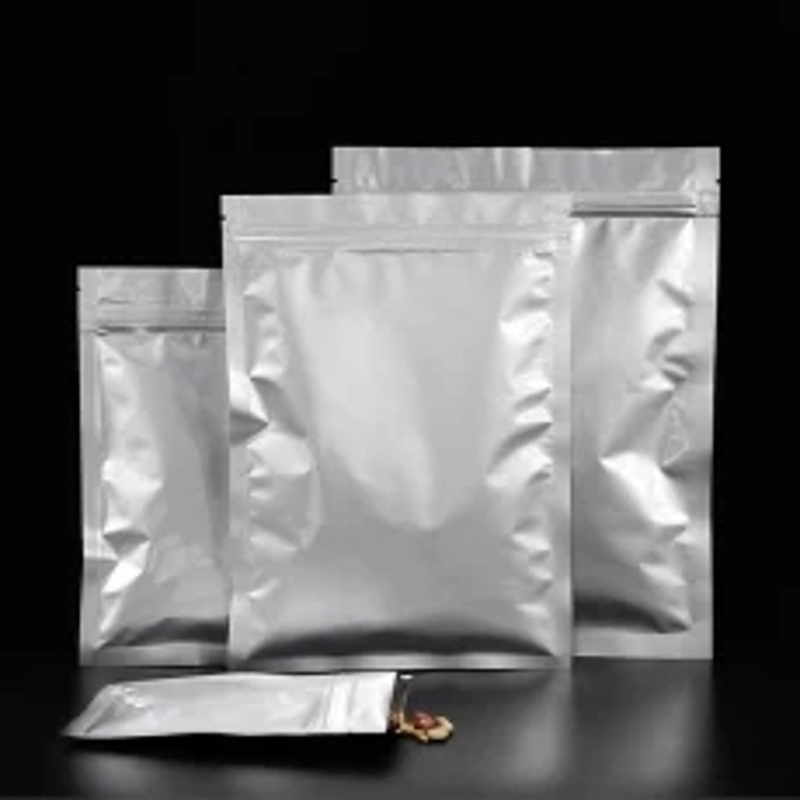
| HDPE bottle or aluminium foil bag, sealed with desiccant |
250 g, 500 g, 1 kg, 5 kg |
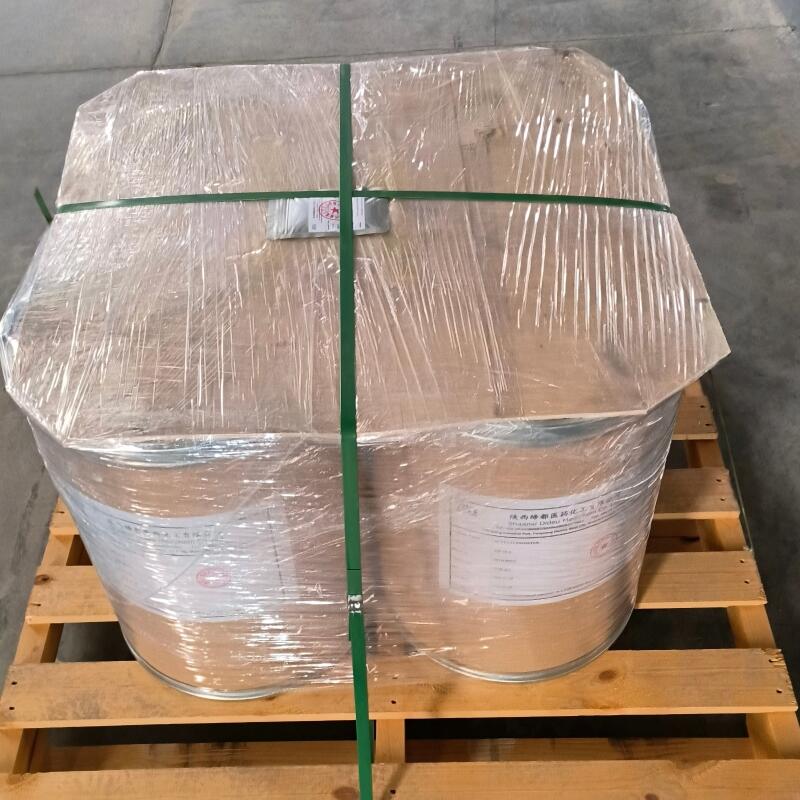
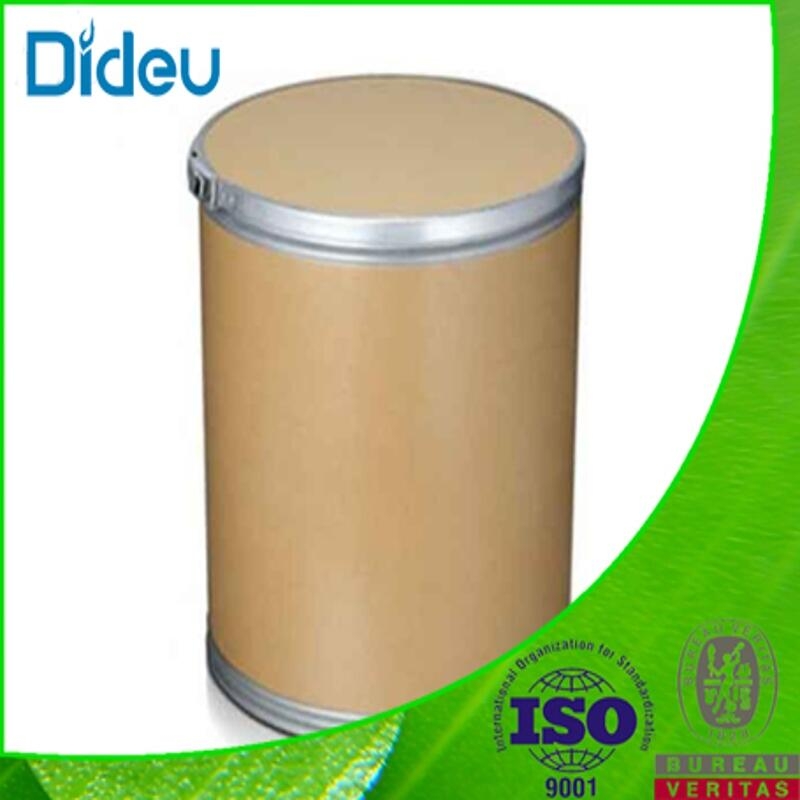
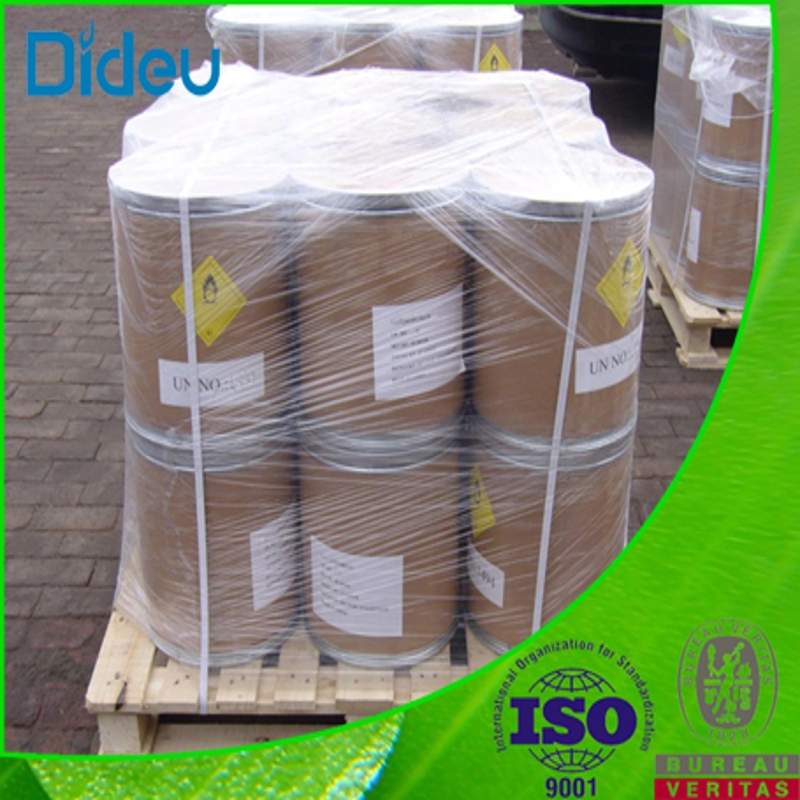
| Fibre drum with inner liner, sealed |
25 kg |
| Outer carton or crate with moisture and light protection |
All pack sizes |
Storage Recommendations
- Store in a cool, dry and dark place, recommended below 15 C; for long term storage keep refrigerated.
- Keep the container tightly closed at all times; the material is air and moisture sensitive.
- Store and handle under an inert atmosphere of nitrogen or argon, and return the container to inert gas after each use.
- Protect from light; retain the original container and keep away from heat sources.
- Prepare solutions fresh and use immediately, since hydrolysed material oxidises in solution.
Minimum order quantity is 1 g. Stock pack sizes are normally dispatched within 7 working days after order confirmation; bulk drum quantities are confirmed separately. Small packs are shipped by courier, and larger quantities by air or by sea according to order size and destination. All goods travel in sealed, light protected and moisture protected packaging with desiccant and cushioning material, under inert gas where the pack format allows. Every shipment includes the certificate of analysis and the packing list.
Company Profile
Dideu Group is a professional supplier of fine chemicals and specialty chemicals, serving customers in global markets with products ranging from gram scale research reagents to tonne scale industrial intermediates. Our portfolio covers amino acid derivatives, sulfur containing building blocks, heterocyclic intermediates, protected peptide reagents and pharmaceutical intermediates used in drug development, agrochemical research, polymer science and academic synthesis. We work with qualified production partners and apply strict incoming and outgoing quality control, with a certificate of analysis issued for every lot we ship and full identity documentation including infrared spectra available on request. Our sales and technical team supports customers through product selection, documentation preparation and logistics coordination from inquiry to delivery. Trial packs and commercial quantities are handled through the same quality process, so scale up does not require requalification of the material. Send us your target specification, required pack size and quantity and we will respond with a quotation.
FAQ
What is the minimum order quantity?
Our minimum order quantity is 1 g. Standard packs run from 1 g through 5 g, 25 g, 100 g, 250 g, 500 g, 1 kg and 5 kg, up to 25 kg in fibre drums. Larger quantities can be arranged on request, so both bench scale experiments and production batches can be served from the same material.
What is the lead time?
Stock pack sizes are normally dispatched within 7 working days after order confirmation and receipt of payment. Lead time for bulk drum quantities is confirmed with your quotation.
Is this the DL racemate or the L form?
This product is the DL racemate, CAS 6038-19-3. The specific rotation is inactive, which is consistent with a racemic material. The single L enantiomer is a different product with its own CAS number. Please confirm which form your protocol requires before ordering, since the two are not interchangeable in stereosensitive work.
How do I prepare homocysteine from this product?
The thiolactone ring is opened by dilute aqueous base. The usual laboratory practice is to dissolve a weighed amount of the hydrochloride salt in dilute sodium hydroxide, incubate briefly at room temperature, and use the resulting homocysteine solution immediately. Published enzyme assay protocols describe this step directly, and concentrations are chosen to suit the assay. Prepare only the volume you need, because the free thiol oxidises in solution over time.
How should the material be stored?
Store in a cool, dark and dry place, recommended below 15 C, with the container tightly closed and under nitrogen or argon. The product is air and moisture sensitive, so return it to inert atmosphere after each use. For long term storage keep it refrigerated. Under these conditions the material retains its specification for an extended period; we recommend retesting if it has been stored for more than 24 months.
Do you provide a COA and technical documents?
Yes. A certificate of analysis is issued for every shipment and covers appearance, assay by argentometric titration, TLC purity, melting point, specific rotation, loss on drying, solubility and infrared identity. Additional technical documents can be provided on request to support your identity confirmation work.
What payment terms do you accept?
We accept T/T and L/C. The specific terms can be confirmed with our sales team according to order value and destination.
How do you ship the goods?
Small packs are shipped by courier, and larger quantities by air or by sea according to order size and destination. All packs travel sealed, light protected and moisture protected, with desiccant and cushioning material, and under inert gas where the pack format allows.







 India