Potassium Trioxalatoferrate(III) Trihydrate CAS 5936-11-8 AR Grade 99% Ferrioxalate Actinometer Standard for Photochemistry
Keywords: Potassium Trioxalatoferrate, Potassium Ferrioxalate, CAS 5936-11-8, Actinometer Standard, Iron Oxalate Complex
Product Overview
Potassium trioxalatoferrate(III) trihydrate, widely known as potassium ferrioxalate, is a classical coordination complex in which three oxalate ligands chelate a central iron(III) ion. It forms emerald-green to yellow-green crystals that display green fluorescence under ultraviolet irradiation. Its well-characterized photochemical behaviour has made it the reference material for the ferrioxalate actinometer, the most widely used method for measuring ultraviolet photon flux. Dideu supplies analytical reagent grade material in quantities from 100 g to 25 kg to laboratories, universities and photochemical research facilities worldwide.
Key Attributes
| CAS No. |
5936-11-8 |
| IUPAC Name |
Tripotassium tris(oxalato)ferrate(III) trihydrate |
| Chemical Family |
Coordination complex / iron(III) oxalate salt |
| Molecular Formula |
C6H9FeK3O18 (K3Fe(C2O4)3.3H2O) |
| Molecular Weight |
491.25 g/mol |
| Appearance |
Emerald-green to yellow-green crystalline solid; light-sensitive; green fluorescence under ultraviolet irradiation |
| Assay |
Not less than 99.0% (AR grade) |
| Decomposition and Thermal Behavior |
Loses water of crystallization around 100-110 C; decomposes above approximately 230 C; no sharp melting point |
| Density |
Approximately 2.13 g/cm3 at 20 C |
| Iron Content (theoretical) |
11.37% by mass |
| Solubility |
Soluble in cold water (about 47 g/100 mL at 0 C); slightly soluble in hot water; insoluble in ethanol and ethyl ether |
| Storage Condition |
Store in a cool, dry place in tightly closed light-protective containers |
Key Highlights
- ACTINOMETRY STANDARD: This is the reference material for the ferrioxalate actinometer, the established method for determining ultraviolet photon flux, with a high and well-documented quantum yield across a broad wavelength range.
- AR GRADE PURITY: Supplied at 99.0% minimum assay with iron content controlled to 11.2-11.5%, which is the specification most relevant to quantitative photochemical work.
- LOW IONIC IMPURITIES: Chloride is limited to 0.005% maximum, sulfate to 0.01% maximum and water-insoluble matter to 0.01% maximum, so background interference in spectrophotometric determination is kept low.
- DISTINCTIVE CRYSTAL QUALITY: Well-formed emerald-green crystals with characteristic green fluorescence under ultraviolet light give a fast visual indication of correct identity and hydration state.
- GOOD COLD WATER SOLUBILITY: Readily dissolves in cold water at about 47 g per 100 mL at 0 C, allowing actinometer solutions to be prepared without heating that could drive off water of crystallization.
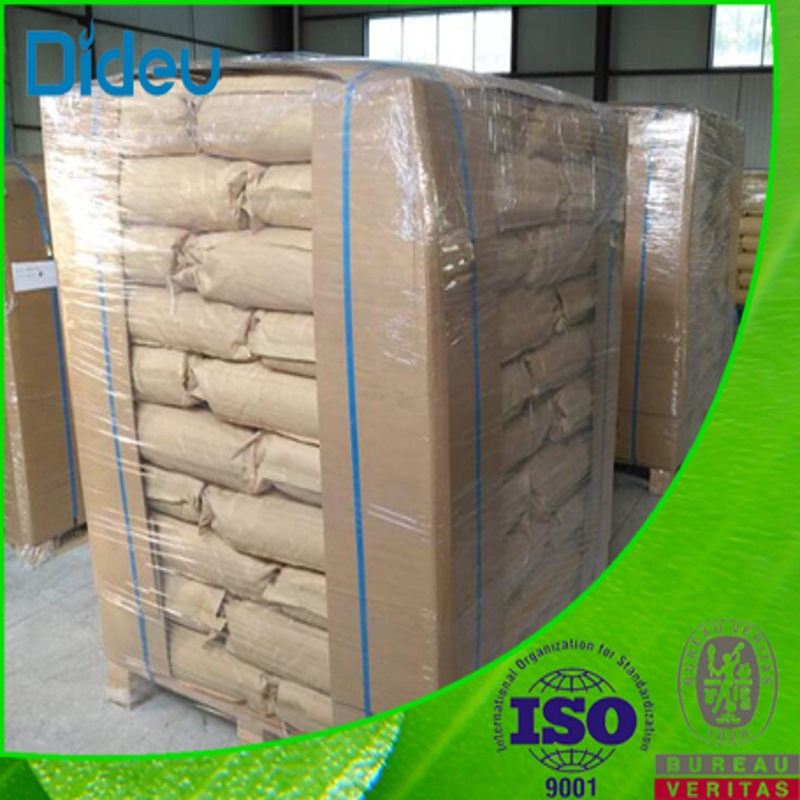
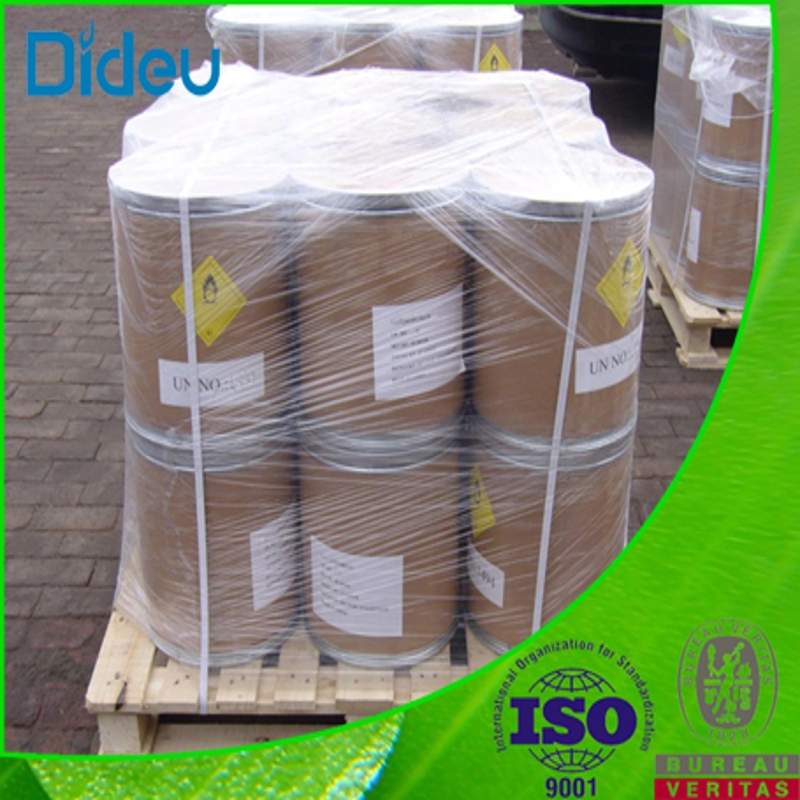
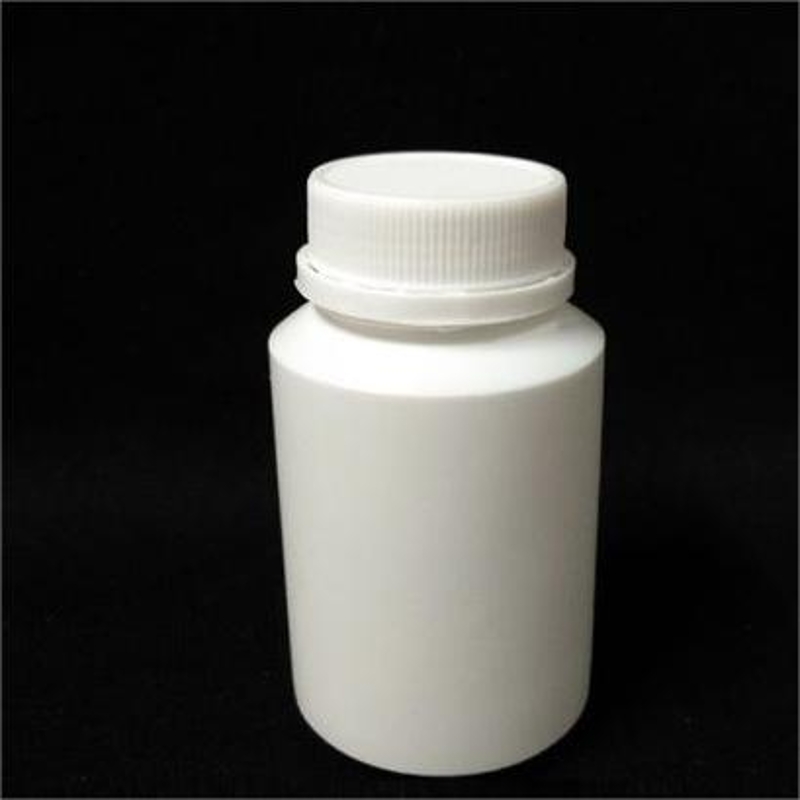
- LIGHT-PROTECTIVE PACKAGING: Supplied in amber glass bottles or opaque fiber drums, essential for a photosensitive complex.
- FULL DOCUMENTATION: Each batch is shipped with a Certificate of Analysis reporting assay, iron content, chloride, sulfate, water-insoluble matter and heavy metals.
- FAST LEAD TIME: Orders are arranged within 2 weeks and shipped by air or by sea.
Product Description
Potassium trioxalatoferrate(III) trihydrate is one of the most studied coordination compounds in inorganic chemistry. Three bidentate oxalate ligands surround a central iron(III) ion to form the tris(oxalato)ferrate(III) anion, charge-balanced by three potassium ions and accompanied by three molecules of water of crystallization. Dideu supplies the material as analytical reagent grade crystals at 99.0% minimum assay, in pack sizes from 100 g amber glass bottles up to 25 kg fiber drums.
The defining property of this complex is its photochemistry. On absorption of ultraviolet or visible light, the iron(III) centre is reduced to iron(II) while an oxalate ligand is oxidatively decarboxylated. This reaction proceeds with a high quantum yield that is well characterised and largely independent of wavelength over a wide range, and the iron(II) produced can be determined colorimetrically with great sensitivity. That combination is precisely what makes the ferrioxalate actinometer the benchmark method for absolute measurement of light intensity in photochemical laboratories. The compound also serves as a classical teaching material for coordination chemistry synthesis and as a primary standard in iron determination and redox titration work.
Because the complex is photosensitive and loses water of crystallization above roughly 100 C, packaging and storage discipline matters. Dideu supplies the product in opaque, tightly sealed containers and recommends that buyers keep it in the original light-protective packaging until use. Dideu Group supplies potassium trioxalatoferrate(III) trihydrate with a minimum order quantity of 1 kg. Orders are prepared within 2 weeks and shipped by air or by sea.
Applications
Chemical Actinometry. The compound is the reference material for the ferrioxalate actinometer, used to determine absolute ultraviolet photon flux and to calibrate light sources, photoreactors and irradiation equipment. Its high quantum yield and well-documented wavelength dependence underpin its standing as the standard method in the field.
Photochemistry and Photocatalysis Research. As a model photosensitive coordination complex, it is used to study photoredox processes, ligand-to-metal charge transfer behaviour and the kinetics of light-driven electron transfer in both homogeneous and catalytic systems.
Analytical Chemistry. The material serves as a primary standard for iron determination and for the calibration of redox titration methods, benefiting from a precisely known theoretical iron content of 11.37%.
Education and Teaching Laboratories. Its synthesis from iron salts and potassium oxalate is a classical undergraduate experiment in coordination chemistry, illustrating complex formation, chelation, crystallization and yield analysis in a single preparation.
Alternative Photographic Processes. The light sensitivity of the ferrioxalate system has been applied in historic and alternative photographic techniques, including cyanotype and related printing processes, where exposure produces a developable image.
Materials and Catalyst Precursor Work. The complex is used in research settings as a defined iron source for the preparation of iron-containing materials and as a precursor in studies of thermal decomposition products.
Specifications
| Item |
Specification |
Typical Value |
| Assay |
Not less than 99.0% |
99.3% |
| Appearance |
Emerald-green to yellow-green crystals |
Complies |
| Iron (Fe) Content |
11.2-11.5% |
11.35% |
| Chloride (Cl) |
Not more than 0.005% |
0.002% |
| Sulfate (SO4) |
Not more than 0.01% |
0.004% |
| Water-Insoluble Matter |
Not more than 0.01% |
0.003% |
| Heavy Metals (as Pb) |
Not more than 0.001% |
Complies |
Packaging and Shipping
| Packaging Type |
Standard Sizes |
| Amber glass bottle, light-protective |
100 g, 250 g, 500 g |
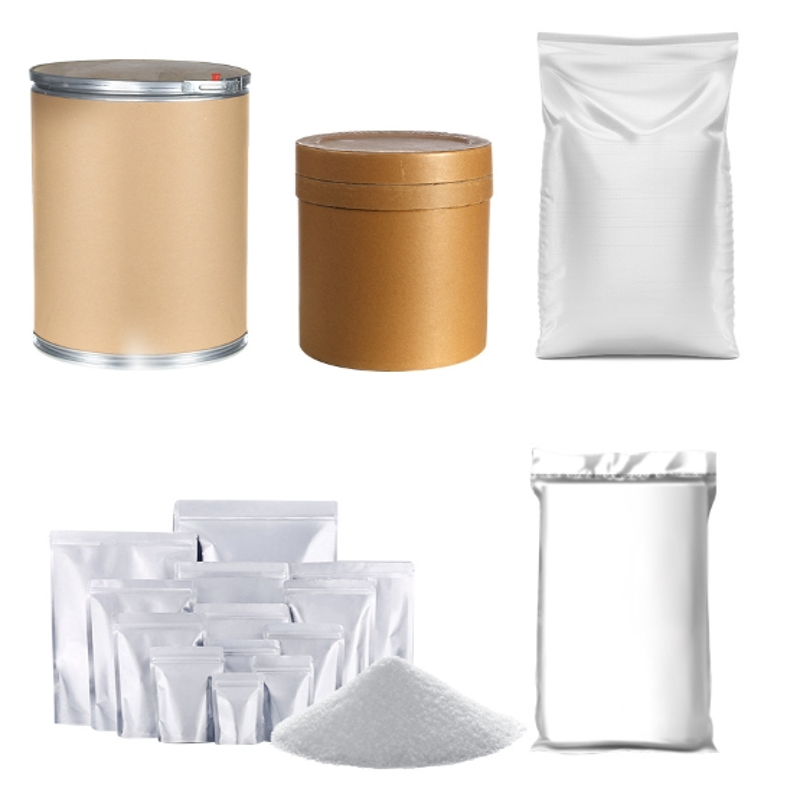
| Fiber drum with PE inner liner |
1 kg, 5 kg, 25 kg |
Storage Recommendations
- Store in the original amber or opaque container; light exposure degrades the crystals over time.
- Keep in a cool, dry place at controlled room temperature, away from heat sources.
- Keep the container tightly sealed between uses to retain water of crystallization.
- Avoid prolonged exposure to temperatures above 100 C, at which the hydrate begins to lose water.
Shipping method: By air or by sea, in sealed light-protective and cushioned packaging.
Lead time: Within 2 weeks after order confirmation.
Company Profile
Dideu Group is a professional supplier of fine chemicals and specialty chemicals, serving customers in global markets with a full range of products from lab-scale reagents to industrial quantities. Our portfolio covers analytical reagents and primary standards, inorganic salts and coordination complexes, pharmaceutical and agrochemical intermediates, and specialty organic building blocks. We work with qualified production partners and maintain strict incoming and outgoing quality control, so that every consignment is supported by a Certificate of Analysis and consistent batch-to-batch performance. Our export team handles documentation, packing and logistics end to end, allowing buyers to receive goods in the condition they expect.
FAQ
1. What is the minimum order quantity?
The MOQ is 1 kg. Smaller laboratory quantities of 100 g, 250 g and 500 g are available in amber glass bottles for research and teaching use.
2. What is the lead time?
Orders are prepared and dispatched within 2 weeks after order confirmation, depending on the quantity and pack size requested.
3. What packaging options do you offer?
Laboratory quantities are packed in light-protective amber glass bottles of 100 g, 250 g and 500 g. Larger quantities are supplied in 1 kg, 5 kg and 25 kg fiber drums with a PE inner liner. All packs are opaque and labelled with the product name, CAS number, batch number and net weight.
4. What payment terms do you accept?
Dideu accepts T/T and L/C. Payment terms for recurring supply programmes can be arranged individually.
5. Do you provide COA and technical documents?
Yes. Each shipment is accompanied by a Certificate of Analysis reporting assay, iron content, chloride, sulfate, water-insoluble matter and heavy metals, together with technical data to support your incoming inspection.
6. How do you ship the goods?
Goods are shipped by air or by sea in sealed, cushioned and light-protective packaging. We arrange export documentation and coordinate with your nominated forwarder.
7. How should the product be stored to maintain its quality?
Keep the material in its original opaque container, tightly closed, in a cool and dry place protected from light and from temperatures above 100 C. Correct storage preserves both the crystal hydration state and the photochemical response on which actinometric accuracy depends.







 Czech