2020-08-21
Recently, an unpublished clinical trial result found that the overall gastrointestinal tolerance of the prebiotic fiber arabinoxylan is greater than that of inulin. The raw material can be used in foods and functional beverages. This trial uses Comet Bio's patented commercial product Arrabina.This study shows that the maximum daily intake is 12 grams. Like other prebiotics, Arrabina is believed to play a key role in the microbial flora. This indigestible ingredient can enter the gastrointestinal tract to provide "food" for beneficial bacteria.Arabinoxylan is a dietary fiber approved by the US FDA and is found in the leaves, stems and shells of many plants. Unlike other dietary fiber, it is very difficult to extract. Comet Bio extracts this raw material from recycled plant materials, which allows farms and food/beverage manufacturers to provide consumers with prebiotic fibers, thereby reducing agricultural waste and having sustainable benefits. Comet Bio estimates that global food waste will cost US$46 billion.In this placebo, controlled double-blind study, 44 healthy volunteers took 6 or 12 grams of Arrabina per day, or took the same amount of placebo, which were all formulated into powdered mixed drinks. The test lasted for 3 weeks, including the washout period. For a period of time, the participants ingested these foods every day and evaluated them according to eight aspects of gastrointestinal discomfort, including flatulence, bloating, and nausea. In addition, consumers also completed defecation habit questionnaires and favorability questionnaires.Arrabina is not statistically different in dose and placebo, meaning it is well tolerated. Within the tolerance range, people are more concerned about bloating, which is common in prebiotic intake. Comparing the data with inulin in the literature, it was found that the proportion of participants reporting bloating symptoms was lower. Compared with 5 grams of inulin, 12 grams of arabinoxylan has a lower frequency of bloating symptoms, only about half of the population.The clinical trial also assessed the status of the microbial flora and found that bifidobacteria proliferated significantly at the end of the treatment. In addition, a survey on the degree of preference found that Arrabina and placebo were not significantly different, indicating that there was no interference of taste, texture, and appearance preferences on the survey results. The bowel habits questionnaire survey found that there was no significant difference between Arrabina and placebo, which means that prebiotic fibers did not cause negative pressure on gastrointestinal health.More importantly, this is a relatively innovative product and a commercial approach to obtain prebiotics. It can be used in various end-product applications. Gastrointestinal tolerance is a problem for all prebiotic products, and it is also a problem for every prebiotic product. What manufacturers and consumers want to know in the existing market. Further clinical research aims to observe other benefits that Arrabina may bring, as well as to further study species with increased numbers of beneficial bacteria.
2020-05-06
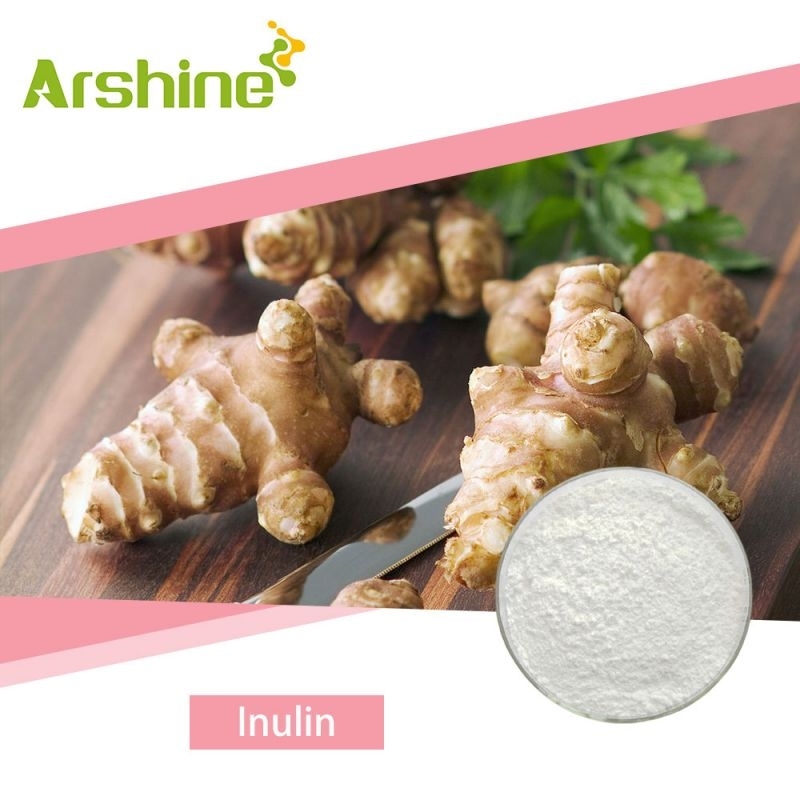
Inulin is a natural substance produced by many vegetables and fruits. Chicory root is especially rich in inulin. Chicory is one of the most common wild herbs in Central Europe, with blue flowers. Chicory is an important medicinal plant, the leaves are used for salads, and the roots are used as substitutes for coffee. Its root component, inulin, is a fructose polymer, often used as a dietary fiber with low calories and indigestion. Due to its beneficial effect on the stomach, inulin is often used as a prebiotic, as a substitute for fat and sugar, and for the development of functional foods. Skin moisture balance The formation of the permeability barrier begins in the epidermis, where new keratinocytes are continuously produced. During migration to the outer epidermis, they are transformed into dead keratinocytes. Keratinocytes are embedded in the lipid matrix to form the stratum corneum, which is a tight waterproof layer. Frequent skin cleansing with products containing surfactants can interfere with moisture balance. Surfactants can dissolve the skin's lipid matrix and eventually clear the skin's lipids and humectants. Skin microbiome Billions of microorganisms settle in various parts of human skin and constitute the skin microbiome. Work with the host's immune system to defend against pathogens and maintain skin health. The latest research reveals the complexity of the field, because the number and types of microorganisms vary greatly between different subjects and between different parts of the skin. Generally, it is believed that the wider the variety of microorganisms in a particular skin area, the better the health of the skin. Under normal circumstances, microbial membranes can protect the skin from other harmful bacteria or pathogens. Because it is the first barrier, it is not only affected by factors such as ultraviolet rays, pollution and household chemicals, but also by cosmetics or care methods. Skin moisturizers and prebiotics Inulin is a humectant: it can absorb water from the environment into the skin and help retain moisture. In addition, it forms a smooth film on the skin, making the skin soft and smooth. Inulin has prebiotic properties and can nourish healthy bacterial flora, so it can help maintain a healthy skin appearance by balancing the skin's microbiome. Because of this feature, inulin strengthens the skin's natural protective barrier and maintains it in good condition. Overall, a balanced skin flora will improve water retention and make the skin fuller and healthier. Mibelle Group Biochemistry describes how to use the partial hydrolysate of chicory root inulin (fructose oligosaccharide) for moisturizing and repairing the skin. The rigorous daily washing procedures put stress on the skin. In order to obtain the best skin bioavailability, the following experiment used a cream mixed with inulin and lecithin liposomes, called PolyFructol Plus.Research on compressed skin PolyFructol Plus was tested in a clinical study of female volunteers aged 18 to 60 years with normal to dry skin. The study included a cleaning period, recovery period and no treatment period to verify its lasting effect. During the first 7 days, volunteers must wash their arms 3 times a day with shower gel to over-cleanse the skin. After each wash and short drying, they applied a cream containing 1% PolyFructol Plus to one forearm and another placebo cream without active ingredients to the other forearm. Afterwards, a 7-day recovery period, using the test product twice in the morning and evening. The researchers measured the following skin parameters: hydration (Corneometer CM825), transepidermal water loss (Tewameter TM300), elasticity (Cutometer MPA580), and roughness (Antera 3D). Measurements were made on the third, seventh, eighth, ninth, and fourteenth days of product application, and one or two days after the last application of the product. The results show that all measured parameters have the same trend. In the initial stage, the skin area deteriorated with the placebo-treated skin area. In contrast, in the skin area treated with the cream containing PolyFructol Plus, the skin condition improved slightly. During the recovery phase, the skin condition of both hands has improved, but the improvement of the skin treated with PolyFructol Plus cream is more obvious, especially in terms of moisturization and elasticity. Hydration after single use In addition, the researchers tested 20 female volunteers 26-49 years old with shower products containing this fructooligosaccharide liposome (with different concentrations). They washed the designated area on the inner side of the forearm with an aqueous solution containing 20%, 5%, and 0.1% without this oligofructose liposome (placebo). After 20 minutes, rinse the test area with tap water. 30 minutes and 60 minutes after application of the test product, skin hydration was measured. All tested shower products improved skin hydration compared to areas that were only rinsed with water (untreated). The experiment proves that only adding 0.1% of this fructooligosaccharide liposome can make the skin much more hydrated. Containing 5% of this active ingredient can further improve skin hydration. To sum up The active substance containing fructooligosaccharides is combined with lecithin liposomes, and even after a single use of the rinse product, it shows strong hydration. Inulin is a raw material for fructooligosaccharides and has a long history in the food industry, not only as a functional fiber, but also as a humectant, a bitter taste masker and a fat substitute. Topical external application can form a moisturizing film with skin conditioning effect. Interestingly, in damaged skin, such as after excessive cleansing, PolyFructol Plus ingredients also show a protective effect. This may be due to the prebiotic properties of inulin. This fructooligosaccharide molecule is an ideal food source for skin microbiota, helping them to re-grow after cleaning. The skin microbiome plays a vital role in maintaining the health of the skin barrier.