




Cosmetic Ingredient
- • Abrasive (124)
- • Absorbent (84)
- • Anticaking (66)
- • Anticorrosive (25)
- • Antifoaming (19)
- • Antimicrobials (291)
- • Antioxidant Ingredient (393)
- • Antiperspirant (20)
- • Antiplaque (48)
- • Anti-seborrheic (38)
- • Anti-sebum (38)
- • Antistatic (457)
- • Astringent (162)
- • Binding Agent (171)
- • Bleaching Agent (53)
- • Buffering (190)
- • Bulking (109)
- • Chelating (122)
- • Cleansing (680)
- • Cosmetic Colorant (212)
- • Cosmetic Preservative (158)
- • Denaturant (45)
- • Deodorant (98)
- • Depilatory (27)
- • Dissolving Agent (297)
- • Emollient (795)
- • Emulsifying Agent (481)
- • Emulsion Stabilising (153)
- • Exfoliating (19)
- • Film Forming (299)
- • Flavouring (72)
- • Foam Boosting (161)
- • Foaming (101)
- • Fragrance Ingredient (732)
- • Gel Forming (19)
- • Hair Conditioning (672)
- • Hair Dyeing (363)
- • Hair Fixing (36)
- • Hair Waving or Straightening (45)
- • Humectant (281)
- • Hydrotrope (92)
- • Keratolytic (20)
- • Light Stabilizer (77)
- • Moisturising Agent (50)
- • Nail Conditioning (42)
- • Occlusive (20)
- • Opacifying (119)
- • Oral Care (123)
- • Oxidising (19)
- • Perfuming (2106)
- • Plasticiser (98)
- • Propellant (19)
- • Reducing (51)
- • Refatting (12)
- • Refreshing (27)
- • Skin Cleansing (387)
- • Skin Conditioning (1747)
- • Skin Humectant (21)
- • Skin Protecting (281)
- • Smoothing (32)
- • Soothing (72)
- • Tonics (155)
- • UV Filter (33)
- • Viscosity Controlling (530)
Chemicals as Skincare Ingredients
Related News
-
EAEU Initiates Review of Anti-Dumping Measures on Chinese Titanium Dioxide, Suspends Duties During Investigation
2026-08-14 -
US Tariff Pressure on Canada Raises Risks for North American Chemical Supply Chains
2026-08-22 -
Premium Global Chemical Sourcing Requests (17-19Aug, 2026)
2026-08-20 -
Premium Global Chemical Sourcing Requests (13-16Aug, 2026)
2026-08-17 -
Premium Global Chemical Sourcing Requests (10-12Aug, 2026)
2026-08-13 -
Business Society’s Market Outlook for Acrylic Acid on August 19, 2026: Weak Rebound
2026-08-19


Abrasive Ingredients
Abrasive
Silicic acid
(1343-98-2)-

Chemical Grade / 99%
$1/KG FOB
-

- / 90.00%
-

-

Industrial Grade / 99%


Request for quotation , get quotes from more suppliers.
Silica hydrate (1:?)
(10279-57-9)-

Pharmaceutical Grade / 99.0%
-

-

industrial Grade / 98%
-

Industrial Grade / 99%


Sesame oil
(8008-74-0)-

Food Grade / 99%
-

- / 99.00%
-

-

USP / EP / BP / JP Grade / 99.9%




Request for quotation , get quotes from more suppliers.
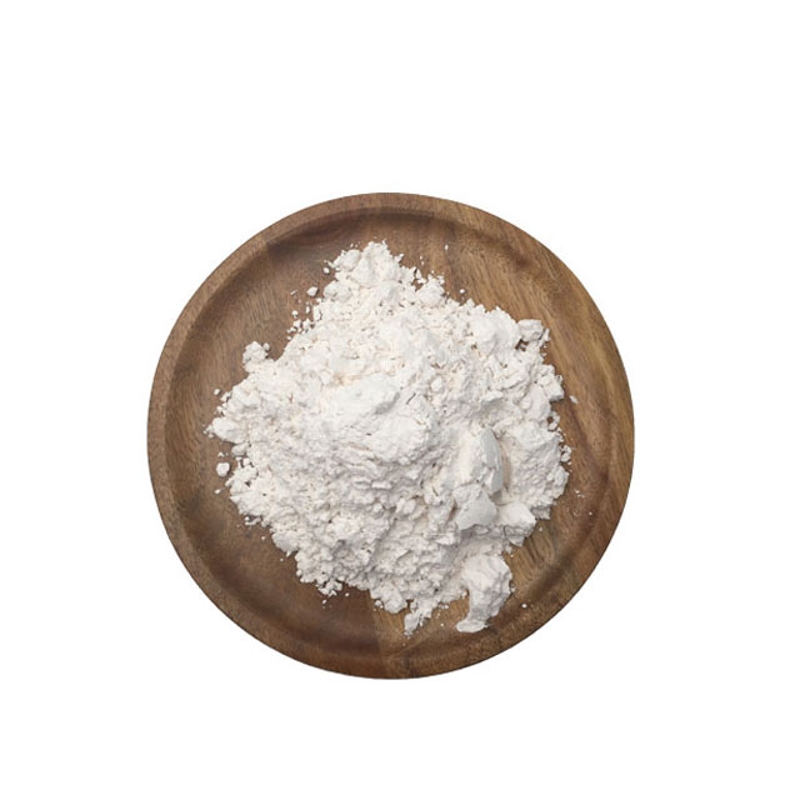
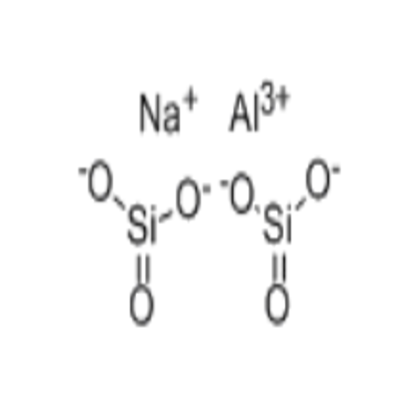
Sodium aluminosilicate
(1344-00-9)-

Food Grade / 99%
-

Pharmaceutical Grade / 99%
-

-


Request for quotation , get quotes from more suppliers.
-

Cosmetics Grade / 99%
-

Pharmaceutical Grade / 99%
-

Industrial Grade / 99%
-

Industrial Grade / -



Request for quotation , get quotes from more suppliers.
-

- / 99.00%
-

- / 0.00%
-

Pharmaceutical Grade / 99.9%
-
Extract")
National Grade / -



Request for quotation , get quotes from more suppliers.
-

Cosmetics Grade / 99%
-

- / 0.00%
-

Pharmaceutical Grade / 99%
-



Request for quotation , get quotes from more suppliers.
-

Pharmaceutical grad / 99%
$100/KG EXW
-

Pharmaceutical Grade / 85%
-
 85% yellow powder")
Food Grade / 85%
-

USP / EP / BP / JP Grade / 99%


Request for quotation , get quotes from more suppliers.
Silicic acid, zirconium(4+) salt
(1344-21-4)-
 salt")
Industrial Grade / 99.0%
-
 cation")
-
 salt")
-
 salt")

Request for quotation , get quotes from more suppliers.
Spearmint, ext.
(84696-51-5)-

Industrial Grade / 99.00%
-

Different Grade / 99.9%
$0.1/KG EXW
-

Industrial Grade or Medical grade / 99%
-

Industrial Grade / 99%
$0.1/KG EXW
Request for quotation , get quotes from more suppliers.
Source Abrasive Raw Materials by Region

More Information
The mechanism of abrasives involves the physical action of abrasive particles on the surface being treated. In toothpaste, for example, abrasives like silica or calcium carbonate help to remove plaque, stains, and food particles from the teeth through gentle friction. Similarly, in exfoliating scrubs, abrasive particles such as sugar, salt, or microbeads work to slough off dead skin cells, revealing smoother, brighter skin beneath.
Common abrasive agents include:
● Silica: Commonly used in toothpaste, exfoliating scrubs, and polishing compounds.
● Aluminum oxide: An abrasive commonly used in industrial applications.
● Pumice: A volcanic rock with abrasive properties, often used in foot scrubs and callus removers.
Frequently Asked Questions
Abrasives are hard materials used to shape, smooth, or finish surfaces through grinding, polishing, or cutting. Common types include aluminum oxide, silicon carbide, diamond, and garnet. They are widely used in industries such as metalworking, woodworking, automotive manufacturing, and construction for tasks like deburring, sharpening, and surface preparation.
Bonded abrasives, such as grinding wheels, consist of abrasive grains held together by a bonding agent and are used for heavy-duty material removal. Coated abrasives, like sandpaper, feature abrasive grains fixed onto a flexible backing (e.g., paper or cloth) and are ideal for smoothing or finishing surfaces. The choice depends on the application’s precision, pressure, and material type.
Selecting the correct abrasive grit size depends on your task:• Coarse grits (e.g., 24–60) are best for rapid material removal.• Medium grits (e.g., 80–120) suit general sanding and surface leveling.• Fine grits (e.g., 150–220) are used for finishing and smoothing.• Ultra-fine grits (320+) achieve polished, high-quality surfaces.Always consider the material being worked on and desired surface finish when choosing grit.
Yes, many manufacturers now offer sustainable abrasives made from recycled materials or designed for longer life and reduced waste. Examples include abrasives with bio-based backings, low-dust formulations, and products engineered for reuse or extended performance. Choosing these options can help reduce environmental impact while maintaining efficiency in industrial or DIY applications.
When working with abrasives, always wear appropriate personal protective equipment (PPE), including safety goggles, dust masks or respirators, gloves, and hearing protection. Ensure proper ventilation to avoid inhaling fine particles. Follow manufacturer guidelines for tool speed and pressure to prevent overheating, breakage, or injury. Regularly inspect abrasive tools for wear or damage before use.