




Pharmaceutical Intermediates
- • Analgesics (59)
- • Anesthetics (52)
- • Anti-Addiction Agents (8)
- • Antibacterials (118)
- • Anticonvulsants (20)
- • Antidementia Agents (23)
- • Antidepressants (35)
- • Antiemetics (24)
- • Antifungals (24)
- • Antigout Agents (9)
- • Anti-inflammatory Agents (28)
- • Antimigraine Agents (21)
- • Antineoplastics (430)
- • Antiparasitics (11)
- • Antiparkinson Agents (28)
- • Antipsychotics (54)
- • Antispasticity Agents (12)
- • Antivirals (146)
- • Anxiolytics (16)
- • Blood Glucose Regulators (106)
- • Blood Products (61)
- • Cardiovascular Agents (179)
- • CNS Agents (22)
- • Dental and Oral Agents (8)
- • Dermatological Agents (19)
- • Electrolytes (15)
- • Gastrointestinal Agents (63)
- • Genetic/Enzyme Disorder (12)
- • Genitourinary Agents (47)
- • Immunological Agents (36)
- • Metabolic Bone Disease (6)
- • Ophthalmic Agents (476)
- • Respiratory Tract (51)
- • Skeletal Muscle Relaxants (5)
- • Sleep Disorder Agents (28)
- • Oled Material Intermediate (333)
- • Heterocyclic Compound (9771)
- • Bulk Drug Intermediates (17876)
Related News
-
FDA Lifts Administrative Stay, Restoring Red No. 3 Ban Timeline for Food and Ingested Drugs
2026-08-07 -
Low Inventory and Reduced Supply Trigger Price Hikes for Acrylonitrile in the Off-Season in China
2026-08-08 -
Premium Global Chemical Sourcing Requests (20-22July, 2026)
2026-08-05 -
Cost Values and Demand-Side Game: PP Prices Consolidate After Rising in July
2026-08-02 -
Pakistan Launches Successive Anti-dumping Investigations against Chinese Products, Involving Soda Ash, Ibuprofen and Other Raw Materials
2026-08-10 -
Premium Global Chemical Sourcing Requests (30 July-2Aug, 2026)
2026-08-05


Antimigraine Agents Intermediates
Antimigraine Agents
-
sulfonyl)pyrrolidine hydrochloride CAS 334981-11-2")
Pharmaceutical Grade / 95%
-
phenylhydrazine hydrochloride")
Industrial Grade,Pharma Grade / 99%
-
phenylhydrazine hydrochloride")
Industrial Grade / pharmaceutical grade / 99%
-
phenylhydrazine hydrochloride")
- / 99.00%


Request for quotation , get quotes from more suppliers.
-

Industrial Grade / 99%
-

Industrial Grade / 99%
-

-

Industrial Grade / 99%


Request for quotation , get quotes from more suppliers.
TETRAPROPANE
(68551-17-7)-

Pharmaceutical Grade / 99%
-

Pharmaceutical / 99%
$5/UNIT FOB
-

-

Industrial Grade / 99%


Request for quotation , get quotes from more suppliers.
-

Industrial Grade / 99.0%
-

-
-2-(((BENZYLOXY)CARBONYL)AMINO)PENT-4-ENOIC ACID")
-
-2-(((BENZYLOXY)CARBONYL)AMINO)PENT-4-ENOIC ACID")
Industrial Grade / 99%


Request for quotation , get quotes from more suppliers.
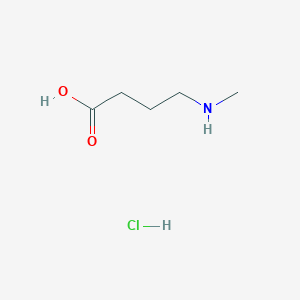
4-(METHYLAMINO)BUTYRIC ACID HYDROCHLORIDE
(6976-17-6)-
BUTYRIC ACID HYDROCHLORIDE")
- / 99.00%
-
butanoicacidhydrochloride 99% transparent liquid KANBEI")
Industrial Grade / 99%
-
BUTYRIC ACID HYDROCHLORIDE")
Industrial Grade / 99%
-
BUTYRIC ACID HYDROCHLORIDE")

Request for quotation , get quotes from more suppliers.
Levalbuterol tartrate
(661464-94-4)-

Industrial Grade / 99%
-
![buy 4-[(1R)-2-(tert-butylamino)-1-hydroxyethyl]-2-(hydroxymethyl)phenol,(2R,3R)-2,3-dihydroxybutanedioic acid]( "4-[(1R)-2-(tert-butylamino)-1-hydroxyethyl]-2-(hydroxymethyl)phenol,(2R,3R)-2,3-dihydroxybutanedioic acid")
-

-

Industrial Grade / 99%
![buy 4-[(1R)-2-(tert-butylamino)-1-hydroxyethyl]-2-(hydroxymethyl)phenol,(2R,3R)-2,3-dihydroxybutanedioic acid](https://static-www.echemi.com/static_v3/images/common/defaultGoodsPicSize200_vb7108c.jpg "4-[(1R)-2-(tert-butylamino)-1-hydroxyethyl]-2-(hydroxymethyl)phenol,(2R,3R)-2,3-dihydroxybutanedioic acid")
Request for quotation , get quotes from more suppliers.
Methyl but-3-ynoate
(32804-66-3)-

Pharmaceutical Grade / 99%
-

Industrial Grade,Pharma Grade / 99%
-

Industrial Grade / 99.00%
-



Request for quotation , get quotes from more suppliers.
Clopidogrel EP IMpurity D
(1421283-60-4)-

-

-

Industrial Grade / 99%
-

Industrial Grade / 90%
Request for quotation , get quotes from more suppliers.
(5Z,8Z)-Dimethyl 5,9-dihydroxy-7H-cyclohepta[b]pyridine-6,8-dicarboxylate
(39713-36-5)-
![buy Dimethyl 5,9-dihydroxy-7H-cyclohepta[b]pyridine-6,8-dicarboxylate]( "Dimethyl 5,9-dihydroxy-7H-cyclohepta[b]pyridine-6,8-dicarboxylate")
Industrial Grade / 99%
-
![buy Dimethyl 5,9-dihydroxy-7H-cyclohepta[b]pyridine-6,8-dicarboxylate]( "Dimethyl 5,9-dihydroxy-7H-cyclohepta[b]pyridine-6,8-dicarboxylate")
- / 99%
-
![buy dimethyl 5,9-dihydroxy-7H-cyclohepta[b]pyridine-6,8-dicarboxylate]( "dimethyl 5,9-dihydroxy-7H-cyclohepta[b]pyridine-6,8-dicarboxylate")
Top Product / 99%
$100/KG EXW
-
![buy dimethyl 5,9-dihydroxy-7H-cyclohepta[b]pyridine-6,8-dicarboxylate]( "dimethyl 5,9-dihydroxy-7H-cyclohepta[b]pyridine-6,8-dicarboxylate")
Industrial Grade / 99%
$3/KG EXW
![buy dimethyl 5,9-dihydroxy-7H-cyclohepta[b]pyridine-6,8-dicarboxylate](https://file.echemi.com/fileManage/upload/category/c20-2.png "dimethyl 5,9-dihydroxy-7H-cyclohepta[b]pyridine-6,8-dicarboxylate")
Request for quotation , get quotes from more suppliers.
Frequently Asked Questions
Antimigraine agents are medications specifically designed to treat or prevent migraine headaches. These drugs work by targeting the underlying mechanisms of migraines, such as vasoconstriction of blood vessels, modulation of neurotransmitters like serotonin, or inhibition of inflammatory pathways. Common classes include triptans, ergot alkaloids, CGRP antagonists, and preventive agents like beta-blockers or anticonvulsants.
Triptans are a widely used class of antimigraine agents that act as selective serotonin (5-HT1B/1D) receptor agonists. They help relieve migraine symptoms by constricting dilated cranial blood vessels and inhibiting the release of pro-inflammatory neuropeptides. Triptans are most effective when taken early in a migraine attack and are available in various formulations including oral tablets, nasal sprays, and injections.
Side effects of antimigraine agents vary by drug class. Triptans may cause dizziness, fatigue, tingling sensations, or chest tightness. Ergot derivatives can lead to nausea or peripheral vasoconstriction. Newer CGRP inhibitors are generally well-tolerated but may cause injection site reactions or constipation. Preventive medications like beta-blockers might result in bradycardia or fatigue. Always consult a healthcare provider before starting any antimigraine therapy.
Selecting the appropriate antimigraine agent depends on several factors:1. Migraine frequency and severity.2. Patient’s medical history and contraindications (e.g., cardiovascular conditions may limit triptan use).3. Response to previous treatments.4. Need for acute relief versus long-term prevention.5. Drug formulation preferences (oral, nasal, injectable).A neurologist or headache specialist can help tailor therapy based on individual patient profiles.
Yes, several non-pharmacological approaches can complement or sometimes replace antimigraine agents, especially for patients with contraindications or medication overuse concerns. These include cognitive behavioral therapy (CBT), biofeedback, acupuncture, regular aerobic exercise, and lifestyle modifications like maintaining consistent sleep schedules and identifying dietary triggers. Devices such as transcranial magnetic stimulation (TMS) or vagus nerve stimulators are also FDA-approved for migraine management.