




Food Additives
- • Coating Agent (19)
- • Preservative (33)
- • Coloring Agent (40)
- • Gum Base Agent (25)
- • Anticaking Agent (7)
- • Food Antioxidants (41)
- • Enzyme (49)
- • Flour Treatment Agent (4)
- • Leavening Agent (1)
- • Bleach (3)
- • Other Food Additives (89)
- • Emulsifier (25)
- • Food Flavorings (30)
- • Water Retention Agent (1)
- • Acidity Regulators (7)
- • Sweeteners (36)
- • Stabilizer and Coagulants (4)
- • Defoamers (5)
- • Nutrition Supplements (171)
- • Thickener (30)
- • Odorants (29)
- • Colorant (16)
Related News
-
SI Group expands antioxidant capacity
2022-11-08 -
Aronia is Called Ageless Berry Due to its New Developed Founctions in 2021
2021-12-24 -
Top 5 raw materials of global plant extracts
2020-09-02 -
Alban Muller’s Gourmet Raw Chocolate Mask Wins Global Recognition
2018-11-30 -
Vitafoods Europe 2019
2018-11-09 -
10 Nutrient-Rich Super Foods
2017-04-12


Food Antioxidants
Food Antioxidants
Ferric ammonium ferrocyanide
(25869-00-5)-
 HEXACYANOFERRATE (II) CAS NO 25869-00-5")
Industrial Grade, Feed Grade, Food Grade, Pharma Grade / 99%
-

Industrial Grade / -
-
,iron(3+),hexacyanide")
-
 HEXACYANOFERRATE (II)")


Request for quotation , get quotes from more suppliers.
-

food Grade / 99%
$2/KG EXW
-

- / 99.00%
-

Industrial Grade / 99.00%
-


Request for quotation , get quotes from more suppliers.
Bis(2-methyl-1-oxopropyl) peroxide
(3437-84-1)-

-

Industrial Grade / 26%
-

-

Industrial Grade / 99%

Request for quotation , get quotes from more suppliers.
-

- / 99.00%
-

Industrial Grade / 99%
-

Industrial Grade / 99%
-


Request for quotation , get quotes from more suppliers.
-

- / 99.00%
-
 (dephosphorylated) (human)")
Research and Industrial Grade / 98.00%
-

Industrial Grade / 99%
-


Request for quotation , get quotes from more suppliers.
-

Industrial Grade, Feed Grade, Food Grade, Pharma Grade / 99%
-

Industrial Grade / 96%
-

-



Request for quotation , get quotes from more suppliers.
cyclo[Phe-Tyr-Lys(iPr)-D-Arg-2Nal-Gly-D-Glu]-Lys(iPr)-NH2
(1088715-84-7)-
![buy Cyclo[Phe-Tyr-Lys(iPr)-D-Arg-2-Nal-Gly-D-Glu]-Lys(iPr)-NH2]( "Cyclo[Phe-Tyr-Lys(iPr)-D-Arg-2-Nal-Gly-D-Glu]-Lys(iPr)-NH2")
- / 99.00%
-
![buy Cyclo[Phe-Tyr-Lys(iPr)-D-Arg-2-Nal-Gly-D-Glu]-Lys(iPr)-NH2]( "Cyclo[Phe-Tyr-Lys(iPr)-D-Arg-2-Nal-Gly-D-Glu]-Lys(iPr)-NH2")
Industrial Grade / 99%
-
![buy cyclo[Phe-Tyr-Lys(iPr)-D-Arg-2Nal-Gly-D-Glu]-Lys(iPr)-NH2]( "cyclo[Phe-Tyr-Lys(iPr)-D-Arg-2Nal-Gly-D-Glu]-Lys(iPr)-NH2")
-
![buy Cyclo[Phe-Tyr-Lys(iPr)-D-Arg-2-Nal-Gly-D-Glu]-Lys(iPr)-NH2]( "Cyclo[Phe-Tyr-Lys(iPr)-D-Arg-2-Nal-Gly-D-Glu]-Lys(iPr)-NH2")
Industrial Grade / 99%
![buy Cyclo[Phe-Tyr-Lys(iPr)-D-Arg-2-Nal-Gly-D-Glu]-Lys(iPr)-NH2](https://static-www.echemi.com/static_v3/images/common/defaultGoodsPicSize200_vb7108c.jpg "Cyclo[Phe-Tyr-Lys(iPr)-D-Arg-2-Nal-Gly-D-Glu]-Lys(iPr)-NH2")
Request for quotation , get quotes from more suppliers.
Neurokinin A(4-10)
(97559-35-8)-
")
Industrial Grade / 99%
-
")
-
")
-
")
Industrial Grade / 99%

Request for quotation , get quotes from more suppliers.


Request for quotation , get quotes from more suppliers.
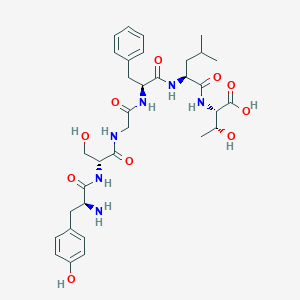
Dslet
(75644-90-5)-
![buy [D-Ser2] Leu-Enkephalin-Thr]( "[D-Ser2] Leu-Enkephalin-Thr")
Research and Industrial Grade / 98.00%
-

Industrial Grade / 99%
-

-

![buy [D-Ser2] Leu-Enkephalin-Thr](https://file.echemi.com/fileManage/upload/goodpicture/20210419/m20210419164316778.jpg "[D-Ser2] Leu-Enkephalin-Thr")
Request for quotation , get quotes from more suppliers.
Frequently Asked Questions
Food antioxidants are substances added to foods to prevent or delay oxidation, a chemical reaction that can cause rancidity in fats and oils, discoloration, nutrient loss, and flavor degradation. Common food antioxidants include natural options like vitamin E (tocopherols), ascorbic acid (vitamin C), and rosemary extract, as well as synthetic types such as BHA (butylated hydroxyanisole) and BHT (butylated hydroxytoluene). They help extend shelf life and maintain product quality and safety.
Both natural and synthetic food antioxidants are regulated by food safety authorities like the FDA and EFSA and are considered safe when used within approved limits. Natural antioxidants—such as ascorbic acid, tocopherols, and plant extracts—are often preferred by consumers seeking 'clean-label' products. However, synthetic antioxidants like BHA and BHT have undergone extensive safety evaluations and remain widely used due to their effectiveness and stability. The choice depends on regulatory compliance, application needs, and consumer preferences.
Food antioxidants are commonly used in a wide range of products, including:1. Oils and fats (e.g., cooking oils, margarine) to prevent rancidity.2. Processed meats (e.g., sausages, bacon) to maintain color and freshness.3. Snack foods (e.g., chips, nuts) to preserve flavor and texture.4. Beverages and dairy products to protect vitamins and prevent spoilage.5. Bakery items to extend shelf life and retain nutritional value.Selecting the right antioxidant depends on the food matrix, processing conditions, and desired shelf life.
Choosing the right food antioxidant involves considering several factors:1. **Type of food**: Water-soluble antioxidants (like ascorbic acid) work best in aqueous systems, while fat-soluble ones (like BHA or tocopherols) are ideal for oils.2. **Processing conditions**: Heat, pH, and exposure to light can affect antioxidant performance.3. **Regulatory approval**: Ensure the antioxidant is permitted in your target market (e.g., FDA in the U.S., EFSA in Europe).4. **Labeling goals**: Natural antioxidants support clean-label claims.5. **Cost and efficacy**: Balance performance with budget constraints.Consulting with a food ingredient supplier or formulation expert can help optimize your selection.
When used at recommended levels, most food antioxidants do not significantly alter taste, odor, or appearance. However, excessive use—especially of certain synthetic types—may impart slight off-flavors or odors. Natural antioxidants like rosemary extract can sometimes add a mild herbal note, which may be desirable or undesirable depending on the product. Proper dosing and compatibility testing during product development help ensure sensory neutrality while maintaining oxidative stability.