




Biochemical Engineering
- • Amino Acids and Proteins (229)
- • Nucleic Acid Drugs (17)
- • Enzymes and Coenzymes Drugs (115)
- • Inhibitors (1095)
- • Biological Response Modifiers (15)
- • Fat Medicines (8)
- • Amino Acids and Derivatives (4190)
- • Saccharides (2379)
- • Biochemical Reagents (344)
- • Nucleoside Drugs (346)
- • Condensing Agent (40)
- • Polypeptide (767)
- • Biosynthetic Natural Products (108)
- • Plant Extracts (826)
- • Chinese Herbs (354)
- • Microbiology Reagents (11)
- • Protein Research (34)
- • Lipids (281)
- • Inflammation Mediators (128)
Related News


Biochemical Reagents
Sort Biochemical Reagents Alphabetically
Biochemical Reagents
N-(2-Hydroxy-3-sulfopropyl)-3,5-dimethoxyanilinesodiumsalt
(82692-88-4)-
-3,5-dimethoxyaniline sodium salt 99.00% 8900-01-a Pharma")
- / 99.00%
-

-
-3,5-dimethoxyaniline sodium salt")
- / 99.00%
-
-3,5-Dimethoxyaniline Sodium Salt CAS 82692-88-4")
- / 0.00%


Request for quotation , get quotes from more suppliers.
N-Ethyl-N-(2-hydroxy-3-sulfopropyl)-3,5-dimethoxyaniline sodium salt
(83777-30-4)-
-3,5-dimethoxyaniline sodium salt")
- / 99.00%
-

Industrial Grade / 99%
-
-3,5-dimethoxyanilinesodiumsalt")
Industrial Grade / 99.00%
-
-3,5-dimethoxyaniline sodium salt")


Request for quotation , get quotes from more suppliers.
-

Industrial Grade / 99%
-

-

-

Industrial Grade / 99%


Request for quotation , get quotes from more suppliers.
-
Methyl-3-Aminopropanulonic Acid Taps Sodium Salt Biological Buffer CAS 91000-53-2")
- / 0.00%
-

Pharmaceutical Grade / 99%
-
Methyl-3-Aminopropanulonic Acid Taps Sodium Salt Biological Buffer CAS 91000-53-2")
Pharmaceutical Grade / 0%
-

Industrial Grade / 99%


Request for quotation , get quotes from more suppliers.
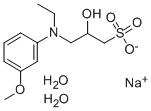
N-Ethyl-N-(2-Hydroxy-3-Sulfopropyl)-3-Methoxyaniline Sodium Salt Dihydrate
(82692-96-4)-
-3-methoxyanilinesodiumsaltdihydrate 79.6%")
Industrial Grade / 79.6%
-
-3-methoxyaniline sodium salt dihydrate 99% white powder kanbei")
Industrial Grade / 99%
-
-3-methoxyanilinesodiumsaltdihydrate")
Industrial Grade / 99%
-
-3-methoxyaniline sodium salt dihydrate")
Industrial Grade / 99%


Request for quotation , get quotes from more suppliers.
Source Biochemical Reagents Products Supply
-

-

- / 99.00%
-

Food grade / 99%
-

Pharmaceutical Grade / 99%



Request for quotation , get quotes from more suppliers.
N-Ethyl-N-(3-sulfopropyl)-3-methoxyanilinesodiumsalt
(82611-88-9)-
-3-methoxyaniline sodium salt 99% white powder kanbei")
Industrial Grade / 99%
-
-3-methoxyanilinesodiumsalt")
Industrial Grade / 99%
-
-3-methoxyaniline sodium salt")
-
-3-methoxyaniline sodium salt")

Request for quotation , get quotes from more suppliers.
N-Ethyl-N-(3-sulfopropyl)anilinesodiumsalt
(82611-85-6)-
propane-1-sulfonate")
Industrial Grade / 95%
-

Industrial Grade / 99%
-
anilinesodiumsalt")
Industrial Grade / 99%
-
propane-1-sulfonate")


Request for quotation , get quotes from more suppliers.
Nile Blue A
(3625-57-8)-

- / 99.00%
-
![buy [9-(diethylamino)benzo[a]phenoxazin-5-ylidene]azanium,sulfate]( "[9-(diethylamino)benzo[a]phenoxazin-5-ylidene]azanium,sulfate")
-

-


![buy [9-(diethylamino)benzo[a]phenoxazin-5-ylidene]azanium,sulfate](https://file.echemi.com/fileManage/upload/cas/47/686c1307-e959-4205-bb12-b86085c7c962.gif "[9-(diethylamino)benzo[a]phenoxazin-5-ylidene]azanium,sulfate")

Request for quotation , get quotes from more suppliers.
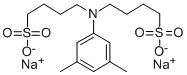
N,N-Bis(4-sulfobutyl)-3,5-dimethylaniline disodium salt
(209518-16-1)-

Industrial Grade / 99%
-
-3,5-dimethylaniline disodium salt CAS NO 209518-16-1")
Industrial Grade, Feed Grade, Food Grade, Pharma Grade / 99%
-
-3,5-dimethylaniline disodium salt")
-
-3,5-dimethylaniline disodium salt")
Request for quotation , get quotes from more suppliers.
Source Biochemical Reagents Raw Materials by Region


More Information
Biochemical reagents are indispensable tools for life sciences, serving as the cornerstone of analytical and preparative techniques. These reagents include a highly diverse range of compounds, such as amino acids, proteins, enzymes, nucleic acids, hormones, and plant extracts. Their high purity, activity, and stability make them suitable for a wide range of applications. Examples are amino acid derivatives which are used in modifying the natural products structurally to improve performance and decrease adverse effects. Plant extracts, rich in anti-inflammatory and antioxidant properties, are utilized for their pharmacological effects, with active ingredients derived from natural sources. These reagents play a crucial role in research and diagnostic applications, as their quality and specificity directly impact the accuracy of the results obtained.
Applications of Biochemical Reagents:
● Drug discovery and development
● Genomics and proteomics research
● Clinical diagnostics
● Biotechnology research
● Environmental analysis
● Food and beverage testing
Frequently Asked Questions
Biochemical reagents are high-purity chemical substances used in biological and biochemical research, diagnostics, and pharmaceutical development. They play essential roles in processes such as enzyme assays, protein purification, DNA/RNA analysis, and cell culture. Common types include buffers, substrates, cofactors, and molecular biology-grade solvents. Their quality directly impacts experimental accuracy and reproducibility.
When selecting biochemical reagents, consider the following criteria:1. Purity grade (e.g., analytical, molecular biology, or HPLC grade) appropriate for your application.2. Certifications such as ISO, GMP, or CE, which indicate compliance with international quality standards.3. Supplier reputation and technical support capabilities.4. Documentation including certificates of analysis (CoA) and safety data sheets (SDS).Choosing reagents that match your protocol requirements ensures reliable and consistent results.
Biochemical reagents are widely used across life science fields, including:1. Molecular biology techniques like PCR, gel electrophoresis, and cloning.2. Protein studies such as Western blotting, ELISA, and chromatography.3. Cell culture and viability assays requiring specialized media and supplements.4. Clinical diagnostics for detecting biomarkers or pathogens.Their versatility makes them indispensable in both academic and industrial laboratories.
The stability of biochemical reagents depends on several factors:1. Storage conditions—many require refrigeration (2–8°C) or freezing (–20°C or lower).2. Sensitivity to light, moisture, or oxygen, which may necessitate amber bottles or inert atmospheres.3. Chemical composition; for example, enzymes and nucleotides degrade faster than inorganic salts.4. Proper handling to avoid contamination. Always follow the manufacturer’s storage and handling guidelines to maintain reagent integrity.
Reliable biochemical reagents can be sourced from established life science suppliers with strong quality control systems and global regulatory compliance. Look for vendors offering detailed product specifications, batch-specific CoAs, and responsive technical support. Reputable suppliers often serve academic institutions, biotech companies, and diagnostic labs, ensuring consistency and traceability. Always verify supplier credentials before large-scale procurement.