




Biochemical Engineering
- • Amino Acids and Proteins (229)
- • Nucleic Acid Drugs (17)
- • Enzymes and Coenzymes Drugs (115)
- • Inhibitors (1095)
- • Biological Response Modifiers (15)
- • Fat Medicines (8)
- • Amino Acids and Derivatives (4202)
- • Saccharides (2379)
- • Biochemical Reagents (344)
- • Nucleoside Drugs (346)
- • Condensing Agent (40)
- • Polypeptide (767)
- • Biosynthetic Natural Products (108)
- • Plant Extracts (826)
- • Chinese Herbs (354)
- • Microbiology Reagents (11)
- • Protein Research (34)
- • Lipids (281)
- • Inflammation Mediators (128)
Related News


Chinese Herbs
Sort Chinese Herbs Alphabetically
Chinese Herbs
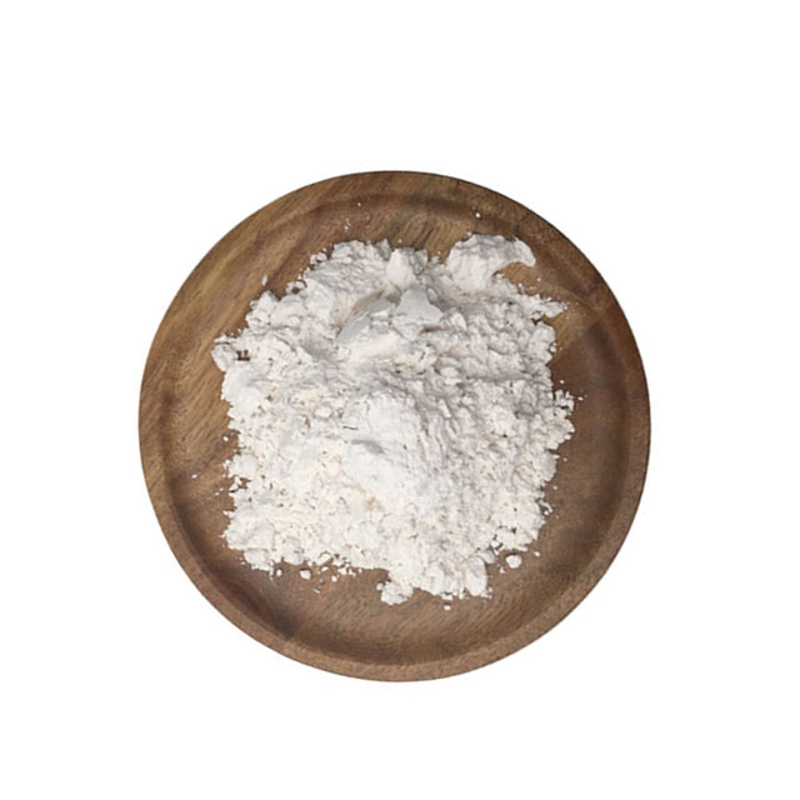
Neohesperidin
(13241-33-3)2. An antioxidant flavanone glycoside
-

Pharmaceutical Grade / 99%
-

-

Chemical Grade / 98%
-

industrial Grade / 98%


Request for quotation , get quotes from more suppliers.
Neoandrographolide
(27215-14-1)-

- / 99.00%
-

industrial Grade / 98%
-

Industrial Grade, Feed Grade, Food Grade, Pharma Grade / 99%
-


Request for quotation , get quotes from more suppliers.
Nodakenin
(495-31-8)-

Chemical Grade / 99%
$1/KG FOB
-

- / 99.00%
-

Pharmaceutical grade / 99%
$10/G EXW
-

Industrial Grade / 98%



Request for quotation , get quotes from more suppliers.
-

Pharmaceutical Grade / 99%
-
![buy 3-[6-(dimethylcarbamoylamino)hexyl]-1,1-dimethyl-urea]( "3-[6-(dimethylcarbamoylamino)hexyl]-1,1-dimethyl-urea")
industrial Grade / 98%
-

-

Industrial Grade / 99%

![buy 3-[6-(dimethylcarbamoylamino)hexyl]-1,1-dimethyl-urea](https://file.echemi.com/fileManage/upload/cas/50/4681f4d0-da43-41ea-82e3-1b4b835c7b61.gif "3-[6-(dimethylcarbamoylamino)hexyl]-1,1-dimethyl-urea")

Request for quotation , get quotes from more suppliers.
Neriifolin
(466-07-9)-

Industrial Grade / 99%
-

-

-

Industrial Grade / 99%


Request for quotation , get quotes from more suppliers.
Source Chinese Herbs Products Supply
-

Industrial Grade / 99%
-

-

-


Request for quotation , get quotes from more suppliers.
Nordihydrocapsaicin
(28789-35-7)-
![buy N-[(4-Hydroxy-3-methoxyphenyl)methyl]-7-methyl-octanamide]( "N-[(4-Hydroxy-3-methoxyphenyl)methyl]-7-methyl-octanamide")
- / 99.00%
-

Industrial Grade, Feed Grade, Food Grade, Pharma Grade / 99%
-
![buy N-[(4-hydroxy-3-methoxyphenyl)methyl]-7-methyloctanamide]( "N-[(4-hydroxy-3-methoxyphenyl)methyl]-7-methyloctanamide")
-

Industrial Grade / 99%
![buy N-[(4-Hydroxy-3-methoxyphenyl)methyl]-7-methyl-octanamide](https://file.echemi.com/fileManage/upload/goodpicture/20220406/20220801111834830956_28789-35-7.png "N-[(4-Hydroxy-3-methoxyphenyl)methyl]-7-methyl-octanamide")


Request for quotation , get quotes from more suppliers.
N-(4-Hydroxy-3-methyl-2-buten-1-yl)adenosine
(28542-78-1)-

Industrial Grade, Feed Grade, Food Grade, Pharma Grade / 99%
-

-

-

Industrial Grade / 99%


Request for quotation , get quotes from more suppliers.
Nepodin
(3785-24-8)-

- / 99.00%
-
ethanone")
-
-")
-
-")
Industrial Grade / 99%


Request for quotation , get quotes from more suppliers.
Source Chinese Herbs Raw Materials by Region


Frequently Asked Questions
Chinese herbs are natural plant, animal, or mineral substances used in Traditional Chinese Medicine (TCM) to prevent and treat various health conditions. They are often prescribed in customized formulas based on an individual’s body constitution and symptoms. Common forms include raw dried herbs, powders, granules, and ready-made pills. Chinese herbal medicine aims to restore balance and harmony within the body’s systems, such as Qi (vital energy), Yin, and Yang.
To ensure quality and safety when buying Chinese herbs, look for suppliers that provide third-party testing for contaminants like heavy metals, pesticides, and microbial content. Choose products that comply with Good Manufacturing Practice (GMP) standards and are sourced from reputable farms or regions known for authentic herb cultivation. Certifications such as ISO, USDA Organic, or TCM-specific quality marks can also indicate reliability and adherence to safety protocols.
Chinese herbs can interact with prescription medications, potentially altering their effectiveness or causing side effects. For example, herbs like ginseng or danshen may affect blood thinners or blood pressure drugs. Always consult a licensed TCM practitioner or healthcare provider before combining Chinese herbs with conventional medications to avoid adverse interactions and ensure safe, coordinated care.
Some widely used Chinese herbs include:1. **Ginseng (Ren Shen)** – boosts energy and supports immune function.2. **Astragalus (Huang Qi)** – enhances vitality and respiratory health.3. **Licorice Root (Gan Cao)** – harmonizes herbal formulas and soothes digestion.4. **Goji Berry (Gou Qi Zi)** – supports eye health and liver function.5. **Dong Quai (Dang Gui)** – regulates menstrual cycles and nourishes blood.These herbs are typically used in combination rather than in isolation for synergistic therapeutic effects.
When sourcing bulk Chinese herbs, prioritize suppliers with transparent sourcing practices, comprehensive documentation (including certificates of analysis), and compliance with international quality standards. Verify their experience in exporting to your region and check customer reviews or industry reputation. A trustworthy supplier should also offer technical support, consistent batch quality, and clear labeling in English or your preferred language to meet regulatory requirements.