




Organic Chemistry
- • Amides (2626)
- • Alcohols, Phenols, Phenol Alcohols (330)
- • Nitrogen Compounds (259)
- • Nitrile Compound (91)
- • Hydrazine or Hydroxylamine Derivatives (213)
- • Quinones (38)
- • Ethers and Derivatives (186)
- • Aldehydes (117)
- • Carboxylic Acids and Derivatives (797)
- • Hydrocarbons and Derivatives (2317)
- • Ketones (78)
- • Inorganic Acid Esters (172)
- • Heterocyclic Ring (355)
- • Organometallic Compounds (977)
- • Organosulfur Compounds (73)
- • Phosphines (726)
- • Organometalate (285)
- • Organic Fluorine Compound (2121)
- • Triazenes (18)
- • Semicarbazides (33)
- • Organoselenium Compounds (28)
- • Nitro Compounds (96)
- • Nitrates (15)
- • Lactones (240)
- • Imines (24)
- • Free Radicals (48)
- • Dioxins and Dioxin-like Compounds (31)
- • Cyanates (31)
- • Coordination Complexes (3059)
- • Boron Compounds (84)
- • Azides (66)
- • Arsenicals (56)
Related News
-
EAEU Initiates Review of Anti-Dumping Measures on Chinese Titanium Dioxide, Suspends Duties During Investigation
2026-08-14 -
Pakistan Launches Successive Anti-dumping Investigations against Chinese Products, Involving Soda Ash, Ibuprofen and Other Raw Materials
2026-08-10 -
Premium Global Chemical Sourcing Requests (6-9Aug, 2026)
2026-08-10 -
Premium Global Chemical Sourcing Requests (17-19Aug, 2026)
2026-08-20 -
Premium Global Chemical Sourcing Requests (13-16Aug, 2026)
2026-08-17 -
Premium Global Chemical Sourcing Requests (10-12Aug, 2026)
2026-08-13


Dioxins and Dioxin-like Compounds
Dioxins and Dioxin-like Compounds
-

Industrial Grade / 99%
-

-

-


Request for quotation , get quotes from more suppliers.
1,4-dioxin
(290-67-5)-

Industrial Grade / 99%
-

-

-

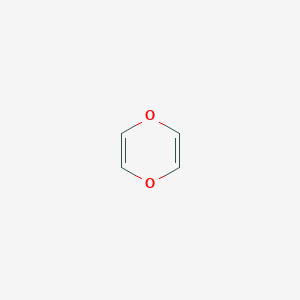
Request for quotation , get quotes from more suppliers.
-

Industrial Grade / 99.00%
-

-

-


Request for quotation , get quotes from more suppliers.
1,2,3,4,7,8-Hexachlorodibenzo-p-dioxin
(39227-28-6)-

Industrial Grade / 99.00%
-

-

-


Request for quotation , get quotes from more suppliers.
1,2,3,4,6,7,8-Heptachlorodibenzo-p-dioxin
(35822-46-9)-

Industrial Grade / 99.00%
-

-

-


Request for quotation , get quotes from more suppliers.
Source Dioxins and Dioxin-like Compounds Products Supply
-

Industrial Grade / 99.0%
-

-

-


Request for quotation , get quotes from more suppliers.
-

Industrial Grade / 99.00%
-

-

-


Request for quotation , get quotes from more suppliers.
1,2,3,7,8-Pentachlorodibenzo-p-dioxin
(40321-76-4)-

Industrial Grade / 99%
-

-

-


Request for quotation , get quotes from more suppliers.
1,4,7,8-Tetrachlorodibenzo[1,4]dioxin
(40581-94-0)-

Industrial Grade / 99%
-

-
![buy 1,4,7,8-Tetrachlorodibenzo[1,4]dioxin]( "1,4,7,8-Tetrachlorodibenzo[1,4]dioxin")
-
![buy 1,4,7,8-Tetrachlorodibenzo[1,4]dioxin]( "1,4,7,8-Tetrachlorodibenzo[1,4]dioxin")
Industrial Grade / 99%

Request for quotation , get quotes from more suppliers.
1,2,6,7-Tetrachlorodibenzo[1,4]dioxin
(40581-90-6)-

Industrial Grade / 99%
-
![buy 1,2,6,7-Tetrachlorodibenzo[1,4]dioxin]( "1,2,6,7-Tetrachlorodibenzo[1,4]dioxin")
-
![buy 1,2,6,7-Tetrachlorodibenzo[1,4]dioxin]( "1,2,6,7-Tetrachlorodibenzo[1,4]dioxin")
Industrial Grade / 99%

Request for quotation , get quotes from more suppliers.
Frequently Asked Questions
Dioxins and dioxin-like compounds are a group of highly toxic environmental pollutants that include polychlorinated dibenzo-p-dioxins (PCDDs), polychlorinated dibenzofurans (PCDFs), and certain polychlorinated biphenyls (PCBs). These substances are unintentionally produced during combustion processes, industrial activities, and chemical manufacturing. Due to their persistence, bioaccumulation potential, and toxicity, they pose significant risks to human health and the environment.
Exposure to dioxins and dioxin-like compounds can lead to a range of adverse health effects, including reproductive and developmental problems, damage to the immune system, hormonal disruption, and increased risk of cancer. The severity of effects depends on the level and duration of exposure. Developing fetuses and infants are particularly vulnerable due to their rapid growth and immature detoxification systems.
Dioxins are strictly regulated by international bodies like the World Health Organization (WHO) and regional agencies such as the U.S. Environmental Protection Agency (EPA) and the European Food Safety Authority (EFSA). Regulatory limits are set for dioxin levels in food, feed, and environmental media based on toxic equivalency factors (TEFs) that account for the varying potency of different dioxin-like compounds. Regular monitoring and risk assessments help ensure public safety.
Yes, dioxin contamination can be significantly reduced through improved industrial practices, proper waste incineration with advanced emission controls, and adherence to best available techniques (BAT) in chemical manufacturing. On an individual level, reducing consumption of high-fat animal products from potentially contaminated sources and supporting sustainable agricultural practices can lower personal exposure. Government enforcement of environmental regulations also plays a critical role in minimizing dioxin release into the ecosystem.