




Cosmetic Ingredient
- • Abrasive (124)
- • Absorbent (84)
- • Anticaking (66)
- • Anticorrosive (25)
- • Antifoaming (19)
- • Antimicrobials (291)
- • Antioxidant Ingredient (393)
- • Antiperspirant (20)
- • Antiplaque (48)
- • Anti-seborrheic (38)
- • Anti-sebum (38)
- • Antistatic (457)
- • Astringent (162)
- • Binding Agent (171)
- • Bleaching Agent (53)
- • Buffering (190)
- • Bulking (109)
- • Chelating (122)
- • Cleansing (680)
- • Cosmetic Colorant (212)
- • Cosmetic Preservative (158)
- • Denaturant (45)
- • Deodorant (98)
- • Depilatory (27)
- • Dissolving Agent (297)
- • Emollient (795)
- • Emulsifying Agent (481)
- • Emulsion Stabilising (153)
- • Exfoliating (19)
- • Film Forming (299)
- • Flavouring (72)
- • Foam Boosting (161)
- • Foaming (101)
- • Fragrance Ingredient (732)
- • Gel Forming (19)
- • Hair Conditioning (672)
- • Hair Dyeing (363)
- • Hair Fixing (36)
- • Hair Waving or Straightening (45)
- • Humectant (281)
- • Hydrotrope (92)
- • Keratolytic (20)
- • Light Stabilizer (77)
- • Moisturising Agent (50)
- • Nail Conditioning (42)
- • Occlusive (20)
- • Opacifying (119)
- • Oral Care (123)
- • Oxidising (19)
- • Perfuming (2106)
- • Plasticiser (98)
- • Propellant (19)
- • Reducing (51)
- • Refatting (12)
- • Refreshing (27)
- • Skin Cleansing (387)
- • Skin Conditioning (1747)
- • Skin Humectant (21)
- • Skin Protecting (281)
- • Smoothing (32)
- • Soothing (72)
- • Tonics (155)
- • UV Filter (33)
- • Viscosity Controlling (530)
Chemicals as Skincare Ingredients
Related News
-
EAEU Initiates Review of Anti-Dumping Measures on Chinese Titanium Dioxide, Suspends Duties During Investigation
2026-08-14 -
Pakistan Launches Successive Anti-dumping Investigations against Chinese Products, Involving Soda Ash, Ibuprofen and Other Raw Materials
2026-08-10 -
Premium Global Chemical Sourcing Requests (6-9Aug, 2026)
2026-08-10 -
Premium Global Chemical Sourcing Requests (17-19Aug, 2026)
2026-08-20 -
US Tariff Pressure on Canada Raises Risks for North American Chemical Supply Chains
2026-08-22 -
Premium Global Chemical Sourcing Requests (13-16Aug, 2026)
2026-08-17


Dissolving Agent
Dissolving Agent
Diisopropyl sebacate
(7491-02-3)-
")
Cosmetics Grade / 99.9%
-

- / 99.00%
-

USP / EP / BP / JP Grade / 99.9%
-

Pharmaceutical Grade / 99%


Request for quotation , get quotes from more suppliers.
DI(PROPYLENE GLYCOL) PROPYL ETHER
(29911-27-1)-

-

- / 99%
-
 PROPYL ETHER")
- / 99.00%
-

Industrial Grade / 99%


Request for quotation , get quotes from more suppliers.
-

- / 99.00%
-

-

USP / EP / BP / JP Grade / 99.9%
-

Pharmaceutical Grade / 0%


Request for quotation , get quotes from more suppliers.
Dodecamethylcyclohexasiloxane
(540-97-6)-

-

USP / EP / BP / JP Grade / 99.9%
-

Industrial Grade / 99%
-

Chemical Grade / 99%


Request for quotation , get quotes from more suppliers.
-

Industrial Grade / 99%
-

Industrial Grade / 99%
-

-



-

USP / EP / BP / JP Grade / 99.9%
-

Pharmaceutical Grade / 99.5%
-

Industrial Grade / 99.00%
-
 hexanedioate")


Request for quotation , get quotes from more suppliers.
-
ethanol")
- / 99.00%
-
ethanol 104-68-7")
Pharmaceutical Grade / 99%
-
ethanol")
-
-")



Request for quotation , get quotes from more suppliers.
-

- / 99.0%
-

$1-1.2/KG FOB
-
butane")
-
butane")

Request for quotation , get quotes from more suppliers.
-
 succinate2915-57-3")
-
 Succinate")
-
 succinate CAS NO 2915-57-3")
Industrial Grade, Feed Grade, Food Grade, Pharma Grade / 99%
-
 butanedioate")

Request for quotation , get quotes from more suppliers.
-

-

Industrial Grade / 100%
-
 ADIPATE")
Industrial Grade / 99.0%
-



Request for quotation , get quotes from more suppliers.
More Information
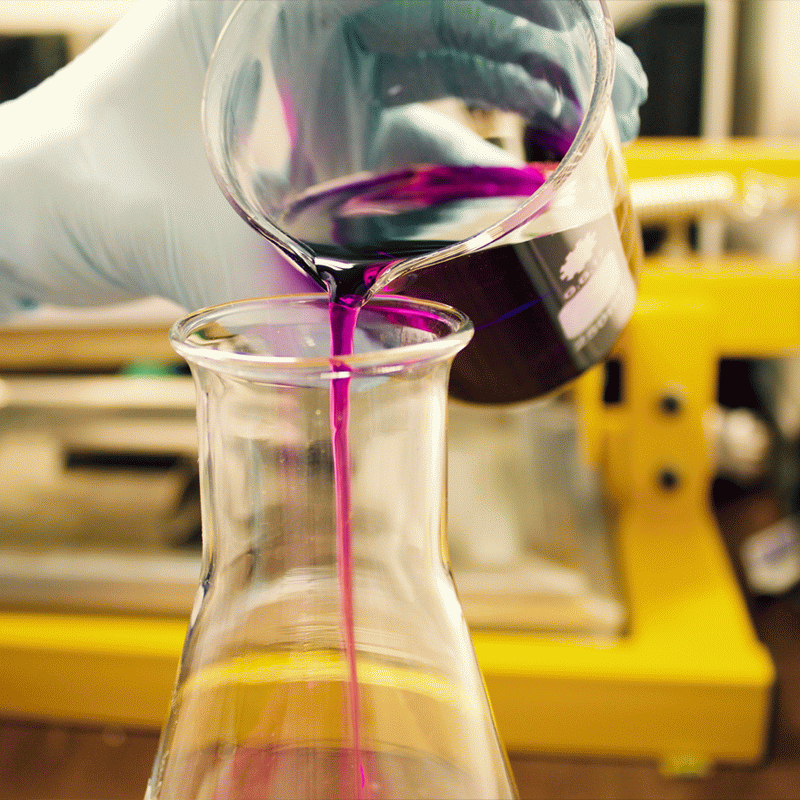
Dissolving agents aid in the solubilization of various ingredients to create effective and stable products. These agents, often referred to as solvents, are substances capable of dissolving other substances, enabling the homogeneous dispersion of active compounds within cosmetic formulations.
The principle behind dissolving agents lies in their ability to break down molecular bonds within substances, allowing them to mix uniformly with other ingredients. Alcohol is a common dissolving agent in skincare products, but it's not the high concentration (75%) medical disinfectant alcohol we typically imagine. In cosmetics, its content is strictly controlled to around 2%, which is almost negligible. Unless someone has a particularly sensitive reaction to alcohol, it's generally safe to use.
Common solvents include:
•Water
•Ethanol
•Glycerin