




Cosmetic Ingredient
- • Abrasive (124)
- • Absorbent (84)
- • Anticaking (66)
- • Anticorrosive (25)
- • Antifoaming (19)
- • Antimicrobials (291)
- • Antioxidant Ingredient (395)
- • Antiperspirant (20)
- • Antiplaque (48)
- • Anti-seborrheic (38)
- • Anti-sebum (39)
- • Antistatic (458)
- • Astringent (162)
- • Binding Agent (172)
- • Bleaching Agent (53)
- • Buffering (191)
- • Bulking (109)
- • Chelating (122)
- • Cleansing (680)
- • Cosmetic Colorant (212)
- • Cosmetic Preservative (158)
- • Denaturant (45)
- • Deodorant (98)
- • Depilatory (27)
- • Dissolving Agent (298)
- • Emollient (796)
- • Emulsifying Agent (482)
- • Emulsion Stabilising (154)
- • Exfoliating (19)
- • Film Forming (299)
- • Flavouring (72)
- • Foam Boosting (161)
- • Foaming (101)
- • Fragrance Ingredient (733)
- • Gel Forming (19)
- • Hair Conditioning (672)
- • Hair Dyeing (363)
- • Hair Fixing (36)
- • Hair Waving or Straightening (45)
- • Humectant (282)
- • Hydrotrope (92)
- • Keratolytic (20)
- • Light Stabilizer (80)
- • Moisturising Agent (50)
- • Nail Conditioning (42)
- • Occlusive (20)
- • Opacifying (119)
- • Oral Care (123)
- • Oxidising (19)
- • Perfuming (2106)
- • Plasticiser (98)
- • Propellant (19)
- • Reducing (52)
- • Refatting (12)
- • Refreshing (27)
- • Skin Cleansing (388)
- • Skin Conditioning (1753)
- • Skin Humectant (21)
- • Skin Protecting (282)
- • Smoothing (32)
- • Soothing (72)
- • Tonics (155)
- • UV Filter (34)
- • Viscosity Controlling (532)
Chemicals as Skincare Ingredients
Related News
-
ICIS Global No.58: ECHEMI Again Ranks Among the World’s Chemical Distributors
2026-06-16 -
Hormuz Is Reopening, But Chemical Logistics May Take Months to Recover
2026-06-22 -
Hormuz Reopening Signal: 155 Tankers Still Waiting
2026-06-16 -
Another Major Coating Manufacturer Acquired by a Central SOE: BNBM Acquires SUNROAD Group for Over RMB 300 Million, Locks in Three-Year Performance Pledge
2026-06-29 -
Synthomer Sells Its Last Upstream Chemical Business
2026-06-22 -
EU mulls expanding tariff scope on Chinese chemicals, sector-wide measures in the pipeline
2026-06-23


Dissolving Agent
Dissolving Agent
Styrene
(100-42-5)-

Industrial Grade / 99.9%
-

Industrial Grade / 99.9%
-
 for Polystyrene and Resin Production")
Industrial Grade / 99%
-

Chemical Grade / 99%
$1/KG FOB


Sunflower oil
(8001-21-6)-

Food Grade / 99%
-

- / 0.00%
-

- / 99.00%
-

Top Product / 0%


Request for quotation , get quotes from more suppliers.
Solvent naphtha (petroleum), heavy arom.
(64742-94-5)-

Chemical Grade / 99%
$17/KG FOB
-

- / 99.00%
-

Industrial Grade / 99%
-

- / 99%

Squalene
(111-02-4)-

Cosmetics Grade / 99%
-

Cosmetics Grade / 99%
$1/KG EXW
-
-Squalene CAS NO 111-02-4 GMP ISO9001 EP Pharma grade Manufacture")
EP Pharma grade / 99.0%
-

Pharmaceutical Grade / 99%


Request for quotation , get quotes from more suppliers.
sec-Butyl acetate
(105-46-4)-

Industrial Grade / 99%
-

Industrial Grade / -
-

Pharmaceutical Grade / 99%
-




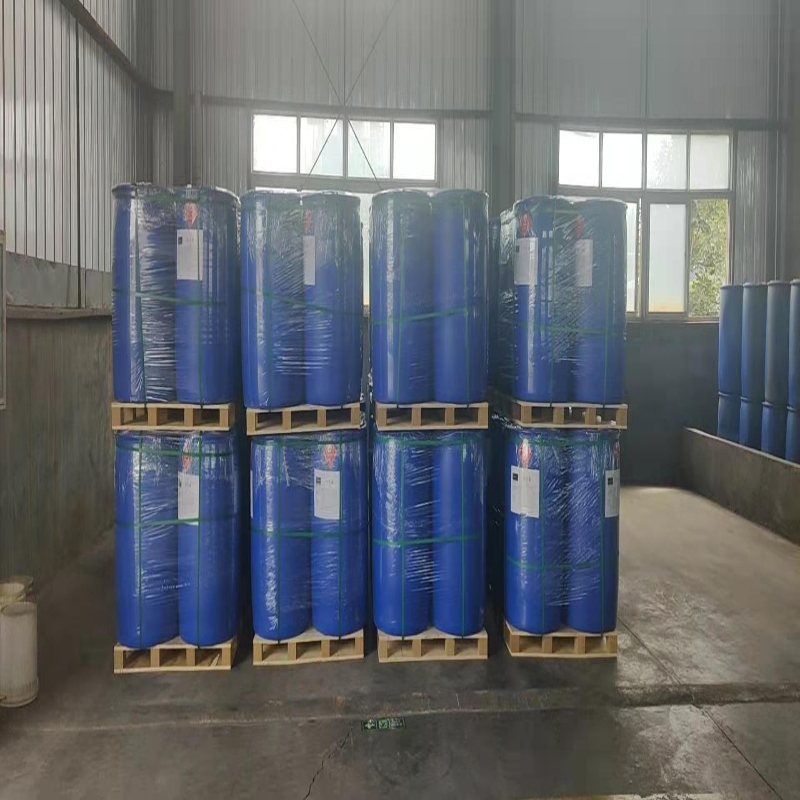
Source Dissolving Agent Products Supply
-
 light arom Light yellow liquid YRM-14")
Industrial Grade / -
-

- / 99.00%
-
, light arom Content: 99%")
Industrial Grade / 98%
-

Industrial Grade / 99%


Request for quotation , get quotes from more suppliers.
-

Pharmaceutical grad / 99%
$100/KG EXW
-

Industrial Grade / 99.0%
-

-


Request for quotation , get quotes from more suppliers.
Shark liver oil
(68990-63-6)-

Chemical Grade / 99%
-

Industrial Grade / 99%
-

-

Industrial Grade / 99%

Request for quotation , get quotes from more suppliers.
SDALCOHOL1
(8048-19-9)-

Industrial Grade / 98%
-

-

-

Request for quotation , get quotes from more suppliers.
More Information
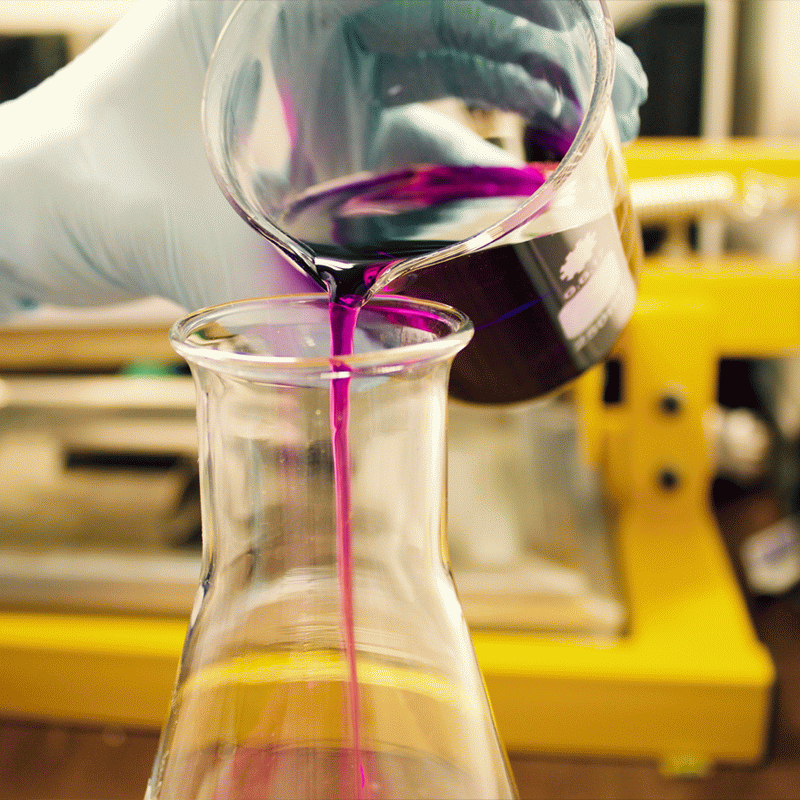
Dissolving agents aid in the solubilization of various ingredients to create effective and stable products. These agents, often referred to as solvents, are substances capable of dissolving other substances, enabling the homogeneous dispersion of active compounds within cosmetic formulations.
The principle behind dissolving agents lies in their ability to break down molecular bonds within substances, allowing them to mix uniformly with other ingredients. Alcohol is a common dissolving agent in skincare products, but it's not the high concentration (75%) medical disinfectant alcohol we typically imagine. In cosmetics, its content is strictly controlled to around 2%, which is almost negligible. Unless someone has a particularly sensitive reaction to alcohol, it's generally safe to use.
Common solvents include:
•Water
•Ethanol
•Glycerin