




Pharmaceutical Intermediates
- • Analgesics (59)
- • Anesthetics (52)
- • Anti-Addiction Agents (8)
- • Antibacterials (118)
- • Anticonvulsants (20)
- • Antidementia Agents (23)
- • Antidepressants (35)
- • Antiemetics (24)
- • Antifungals (24)
- • Antigout Agents (9)
- • Anti-inflammatory Agents (28)
- • Antimigraine Agents (21)
- • Antineoplastics (430)
- • Antiparasitics (11)
- • Antiparkinson Agents (28)
- • Antipsychotics (54)
- • Antispasticity Agents (12)
- • Antivirals (146)
- • Anxiolytics (16)
- • Blood Glucose Regulators (106)
- • Blood Products (61)
- • Cardiovascular Agents (179)
- • CNS Agents (22)
- • Dental and Oral Agents (8)
- • Dermatological Agents (19)
- • Electrolytes (15)
- • Gastrointestinal Agents (63)
- • Genetic/Enzyme Disorder (12)
- • Genitourinary Agents (47)
- • Immunological Agents (36)
- • Metabolic Bone Disease (6)
- • Ophthalmic Agents (476)
- • Respiratory Tract (51)
- • Skeletal Muscle Relaxants (5)
- • Sleep Disorder Agents (28)
- • Oled Material Intermediate (333)
- • Heterocyclic Compound (9771)
- • Bulk Drug Intermediates (17853)
Related News
-
U.S. Imposes 12.5% Additional Tariff! Nutritional Ingredients Including Creatine, Taurine, and Glucosamine Included in New Section 301 Tariff List
2026-07-30 -
FDA Lifts Administrative Stay, Restoring Red No. 3 Ban Timeline for Food and Ingested Drugs
2026-08-07 -
Low Inventory and Reduced Supply Trigger Price Hikes for Acrylonitrile in the Off-Season in China
2026-08-08 -
Premium Global Chemical Sourcing Requests (20-22July, 2026)
2026-08-05 -
Cost Values and Demand-Side Game: PP Prices Consolidate After Rising in July
2026-08-02 -
China NMPA Issues Priority Review Pathway for Four Categories of Chemical Active Pharmaceutical Ingredients, Effective August 1, 2026
2026-07-31


Gastrointestinal Agents Intermediates
Gastrointestinal Agents
-

- / 99.00%
-

industrial Grade / 98%
-

Industrial Grade / 99%
-
")
Industrial Grade / 99%


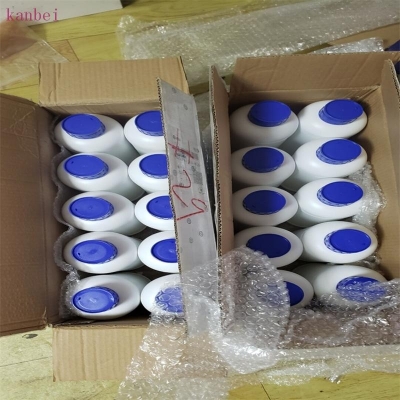

Request for quotation , get quotes from more suppliers.
Pantoprazole sulfide
(102625-64-9)-
![buy 5-Difluoromethoxy-2-{[(3,4-dimethoxy-2-pyridinyl)methyl]thio}-1H-benzimidazole 99% white powder kanbei]( "5-Difluoromethoxy-2-{[(3,4-dimethoxy-2-pyridinyl)methyl]thio}-1H-benzimidazole 99% white powder kanbei")
Pharmaceutical Grade / 99%
-
![buy 5-Difluoromethoxy-2-{[(3,4-dimethoxy-2-pyridinyl)methyl]thio}-1H-benzimidazole]( "5-Difluoromethoxy-2-{[(3,4-dimethoxy-2-pyridinyl)methyl]thio}-1H-benzimidazole")
pharmaceutical grade / 99%
$1/KG EXW
-
![buy 5-Difluoromethoxy-2-{[(3,4-dimethoxy-2-pyridinyl)methyl]thio}-1H-benzimidazole]( "5-Difluoromethoxy-2-{[(3,4-dimethoxy-2-pyridinyl)methyl]thio}-1H-benzimidazole")
Pharmaceutical Grade / 99%
-
![buy 5-Difluoromethoxy-2-{[(3,4-dimethoxy-2-pyridinyl)methyl]thio}-1H-benzimidazole]( "5-Difluoromethoxy-2-{[(3,4-dimethoxy-2-pyridinyl)methyl]thio}-1H-benzimidazole")
Industrial Grade / pharmaceutical grade / 99%
![buy 5-Difluoromethoxy-2-{[(3,4-dimethoxy-2-pyridinyl)methyl]thio}-1H-benzimidazole 99% white powder kanbei](https://file.echemi.com/fileManage/upload/goodpicture/20230703/m20230703174142805.jpg "5-Difluoromethoxy-2-{[(3,4-dimethoxy-2-pyridinyl)methyl]thio}-1H-benzimidazole 99% white powder kanbei")
![buy 5-Difluoromethoxy-2-{[(3,4-dimethoxy-2-pyridinyl)methyl]thio}-1H-benzimidazole](https://file.echemi.com/fileManage/upload/canonicalSmiles/20220812/b604fb25f7e346f6be63550ec288dae0.png "5-Difluoromethoxy-2-{[(3,4-dimethoxy-2-pyridinyl)methyl]thio}-1H-benzimidazole")
Request for quotation , get quotes from more suppliers.
Prucalopride
(179474-81-8)-

Pharmaceutical Grade / 99%
-

Pharmaceutical Grade / 99%
-

Pharmaceutical Grade / 99.5%
$900-950/KG FOB
-

Pharmaceutical Grade / 99%
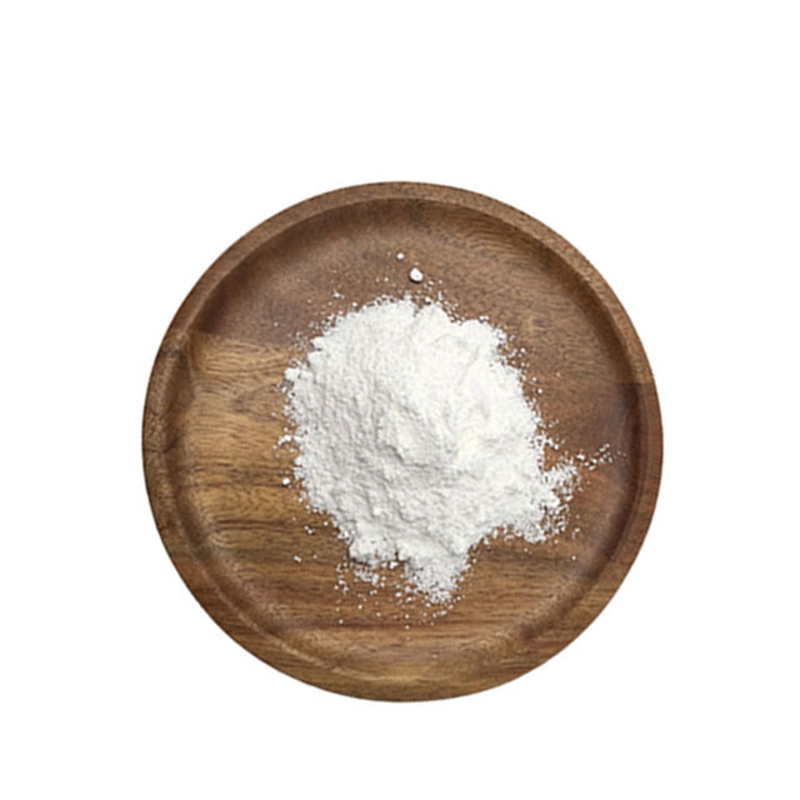

Request for quotation , get quotes from more suppliers.
Phosphonium, (5-carboxypentyl)triphenyl-, bromide (1:1)
(50889-29-7)Reactant for:
Preparation of inhibitor of protein tyrosine phosphatase 1B for treatment of diabetes and obesity.
Synthesis of folate receptor-specific glycinamide ribonucleotide formyltransferase inhibitors with antitumor activity.
Preparation of peptide nucleic acids (PNA) with high specific activity.
S
-

Pharmaceutical Grade / 98%
-
(triphenyl)phosphonium bromide")
- / 98%
-
(triphenyl)phosphonium bromide")
Industrial Grade / 99%
-
triphenylphosphonium bromide")


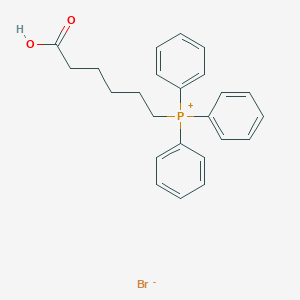
Request for quotation , get quotes from more suppliers.
-
877997-98-3")
Pharmaceutical Grade / 99%
-
877997-98-3")
Pharmaceutical Grade / 99%
$50/ EXW
-

industrial Grade / 98%
-

Industrial Grade / -


Request for quotation , get quotes from more suppliers.
More Information
Gastrointestinal Agents Intermediates are critical raw materials used in the synthesis of pharmaceuticals that address digestive disorders, including acid-related conditions, diarrhea, constipation, and nausea. These intermediates provide the foundation for the production of proton pump inhibitors, H2 receptor antagonists, antiemetics, laxatives, and motility modulators.
Common applications and types include:
• Acid-suppressing intermediates — for proton pump inhibitors and H2 blockers.
• Prokinetic intermediates — to enhance gastrointestinal motility.
• Antiemetic intermediates — for nausea and vomiting relief.
• Laxative and stool softener intermediates — for managing constipation.
Frequently Asked Questions
Gastrointestinal agents are medications or compounds used to treat disorders of the digestive system, including conditions like acid reflux, ulcers, irritable bowel syndrome (IBS), constipation, and diarrhea. These agents work through various mechanisms—such as reducing stomach acid, regulating gut motility, or altering the gut microbiome—to restore normal gastrointestinal function and relieve symptoms.
Common types of gastrointestinal agents include:1. Antacids and H2-receptor antagonists for acid reduction.2. Proton pump inhibitors (PPIs) for long-term acid suppression.3. Laxatives and stool softeners for constipation relief.4. Antidiarrheals like loperamide for managing acute or chronic diarrhea.5. Prokinetic agents that enhance gastrointestinal motility.Each type targets specific digestive issues and should be selected based on clinical need and patient profile.
When selecting a supplier for gastrointestinal agents, consider the following criteria:1. Regulatory compliance with standards such as FDA, EMA, or WHO-GMP.2. Robust quality assurance systems, including batch testing and documentation.3. Experience in pharmaceutical ingredient manufacturing and a track record of supplying to reputable companies.4. Transparency in sourcing raw materials and synthesis processes.5. Ability to provide regulatory support, such as DMFs or certificates of analysis (CoA).These factors help ensure product safety, efficacy, and consistency.
Key quality considerations for active pharmaceutical ingredients (APIs) used in gastrointestinal agents include:1. High chemical purity and defined impurity profiles per ICH guidelines.2. Consistent particle size and solubility characteristics affecting bioavailability.3. Stability under recommended storage conditions to maintain potency.4. Compliance with pharmacopeial standards (e.g., USP, EP).5. Absence of genotoxic impurities or residual solvents beyond acceptable limits.Rigorous quality control is essential to ensure therapeutic effectiveness and patient safety.
Yes, while gastrointestinal agents are generally safe when used as directed, some carry potential risks:1. Long-term use of proton pump inhibitors may lead to vitamin B12 deficiency or increased fracture risk.2. Overuse of stimulant laxatives can cause electrolyte imbalance or dependency.3. Certain antidiarrheals are contraindicated in infectious diarrhea due to risk of toxin retention.4. Drug interactions may occur, especially with agents affecting gut motility or pH.Always consult healthcare professionals and follow approved dosing guidelines to minimize adverse effects.