




Cosmetic Ingredient
- • Abrasive (124)
- • Absorbent (84)
- • Anticaking (66)
- • Anticorrosive (25)
- • Antifoaming (19)
- • Antimicrobials (291)
- • Antioxidant Ingredient (393)
- • Antiperspirant (20)
- • Antiplaque (48)
- • Anti-seborrheic (38)
- • Anti-sebum (38)
- • Antistatic (457)
- • Astringent (162)
- • Binding Agent (171)
- • Bleaching Agent (53)
- • Buffering (190)
- • Bulking (109)
- • Chelating (122)
- • Cleansing (680)
- • Cosmetic Colorant (212)
- • Cosmetic Preservative (158)
- • Denaturant (45)
- • Deodorant (98)
- • Depilatory (27)
- • Dissolving Agent (297)
- • Emollient (795)
- • Emulsifying Agent (481)
- • Emulsion Stabilising (153)
- • Exfoliating (19)
- • Film Forming (299)
- • Flavouring (72)
- • Foam Boosting (161)
- • Foaming (101)
- • Fragrance Ingredient (732)
- • Gel Forming (19)
- • Hair Conditioning (672)
- • Hair Dyeing (363)
- • Hair Fixing (36)
- • Hair Waving or Straightening (45)
- • Humectant (281)
- • Hydrotrope (92)
- • Keratolytic (20)
- • Light Stabilizer (77)
- • Moisturising Agent (50)
- • Nail Conditioning (42)
- • Occlusive (20)
- • Opacifying (119)
- • Oral Care (123)
- • Oxidising (19)
- • Perfuming (2106)
- • Plasticiser (98)
- • Propellant (19)
- • Reducing (51)
- • Refatting (12)
- • Refreshing (27)
- • Skin Cleansing (387)
- • Skin Conditioning (1747)
- • Skin Humectant (21)
- • Skin Protecting (281)
- • Smoothing (32)
- • Soothing (72)
- • Tonics (155)
- • UV Filter (33)
- • Viscosity Controlling (530)
Chemicals as Skincare Ingredients
Related News
-
How To Choose The Best Biotin Supplement Of Hair Growth?
2024-10-09 -
The role of lauryl-dimethyl-amine-oxide for hair in shampoo
2024-07-09 -
Hair Care Products & Heat Styling May Change Indoor Air Composition & Increase VOCs
2023-12-07 -
Provital's Marine-derived Densinaria Boosts Hair Volume & Strength
2023-12-01 -
MANE Unveils FRESHPLEX™: A Multifaceted Hair Experience Defying Discomfort
2023-12-01 -
Coelho Beauty Redefines Hair Care with Holistic Scalp Solutions
2023-11-22


Hair Waving or Straightening Agents
Hair Waving or Straightening
Potassium sulfite
(10117-38-1)-

- / 0.00%
-

- / 99.00%
-

Pharmaceutical Grade / 99%
-

Top Product / 0%


Request for quotation , get quotes from more suppliers.
Triaminodil
(55921-65-8)-

Cosmetics Grade / 99%
-

Cosmetics Grade / 99%
-

Cosmetics Grade / 99%
$320-380/KG FOB
-

Cosmetics Grade / 99%


Request for quotation , get quotes from more suppliers.
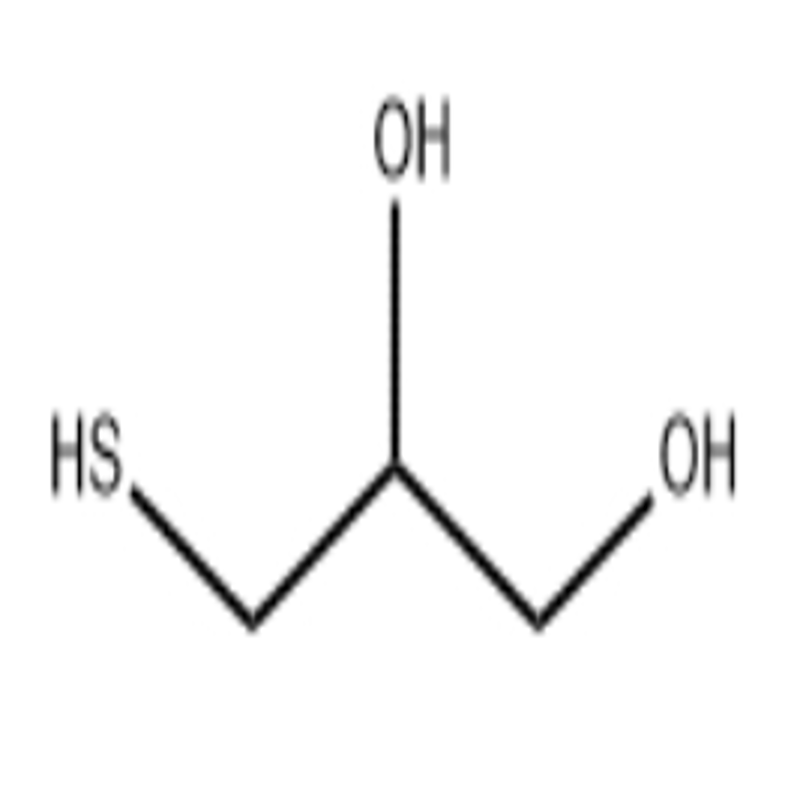
Thioglycerol
(96-27-5)-

Industrial Grade / 99.5%
-

Pharmaceutical Grade / 99%
-

Reagent Grade / 99%
$20-22/KG FOB
-


Request for quotation , get quotes from more suppliers.
Sodium thioglycolate
(367-51-1)-

Industrial Grade / 99%
-

Reagent Grade / 99%
$7-9/KG FOB
-

- / 99.00%
-

Food Grade / 99%


Request for quotation , get quotes from more suppliers.
-

Cosmetics Grade / 99%
-

Industrial Grade / 99%
-

Pharmaceutical Grade / 99%
-




Request for quotation , get quotes from more suppliers.
-

- / 99.00%
-

Industrial Grade / 99%
-

Chemical Grade / 99%
-

Industrial Grade / 99%


Request for quotation , get quotes from more suppliers.
Bis-Aminopropyl Diglycol Dimaleate
(1629579-82-3)-

Cosmetics Grade / 99%
-

Cosmetics Grade / 40%
-

Cosmetics Grade / 50%
-

Cosmetics Grade / -
$9800-11200/MT FOB


Request for quotation , get quotes from more suppliers.
(±)-2-Mercaptopropionic acid
(79-42-5)-

Industrial Grade / 99%
-

industrial Grade / 98%
-

pharmaceutical grade / 99%
-

Industrial Grade / 99%


Request for quotation , get quotes from more suppliers.
Isooctyl mercaptoacetate
(25103-09-7)-

- / 99.00%
-

industrial Grade / 98%
-

- / 98%
-

Industrial Grade, Feed Grade, Food Grade, Pharma Grade / 99%


Request for quotation , get quotes from more suppliers.
Glyoxyloyl carbocysteine
(1268868-51-4)-

Cosmetics Grade / -
-

cosmetic grade / -
$114/KG EXW
-
-N-(2-oxoacetyl);Glyoxyloyl carbocysteine")
Industrial Grade / 99%
-

Industrial Grade / 99%


Request for quotation , get quotes from more suppliers.
More Information
Hair straightening and waving are achieved through the use of chemical substances known as "keratin treatments" or "perming solutions."
The process of hair straightening or waving consists of employing substances, often containing thioglycolic acid or its derivatives, which can disrupt the inherent composition of the hair. These chemicals can modify the disulfide bonds present in the hair, thereby facilitating its restructuring into either a sleeker or more wavy configuration.
Factors influencing hair straightening or waving:
● Chemical Composition: Different chemicals like thioglycolic acid or ammonium thioglycolate affect the hair's bonds.
● Hair Type: Hair texture, thickness, porosity, and previous chemical treatments influence the solution.
● Processing Time and Heat: The duration the solution remains on the hair affects the results.
Frequently Asked Questions
Hair waving treatments are designed to add curls or waves to naturally straight hair, often using chemical solutions that break and reform disulfide bonds in the hair shaft. In contrast, hair straightening treatments aim to eliminate natural curls or frizz by permanently or temporarily altering the hair’s structure through heat, chemicals (like keratin or relaxers), or both. Both processes require professional application to minimize damage and ensure desired results.
When used correctly and with high-quality formulations, hair waving and straightening products can be safe. However, frequent chemical treatments may lead to dryness, breakage, or scalp irritation. It’s essential to follow manufacturer instructions, perform patch tests, and allow adequate time between treatments. Professional-grade products that comply with cosmetic safety regulations (e.g., EU Cosmetics Regulation or FDA guidelines) are generally safer and more reliable.
For hair waving, common active ingredients include ammonium thioglycolate or glyceryl monothioglycolate, which break disulfide bonds to reshape the hair. In straightening treatments, look for keratin, cysteine, or mild relaxers like calcium hydroxide or guanidine carbonate—avoiding harsh formaldehyde-based formulas when possible. High-quality products also contain conditioning agents like argan oil, panthenol, or silk proteins to protect hair integrity during processing.
Professional salons assess several factors before selecting a waving or straightening system: hair type (fine, coarse, curly, or damaged), current condition, previous chemical treatments, and desired outcome. They also consider the pH level of the product, processing time, and whether the formula is acid-, alkaline-, or neutral-based. Reputable brands provide technical data sheets and compatibility guides to help stylists make informed decisions aligned with client safety and expectations.
Yes, but with caution. Colored or bleached hair is more porous and fragile, increasing the risk of over-processing or breakage. Acid-based waving lotions or low-pH straightening systems are generally safer for chemically treated hair. A strand test is highly recommended before full application. Always consult a licensed stylist who can evaluate hair health and choose compatible, professional-grade products to avoid irreversible damage.