Product
Supplier
Encyclopedia
Inquiry
Home > Analytical Chemistry > Liquid Chromatography (Find 3 items)

Analytical Chemistry

Sort Liquid Chromatography Alphabetically

Liquid Chromatography

1,2-Dimethoxyethane

(110-71-4)
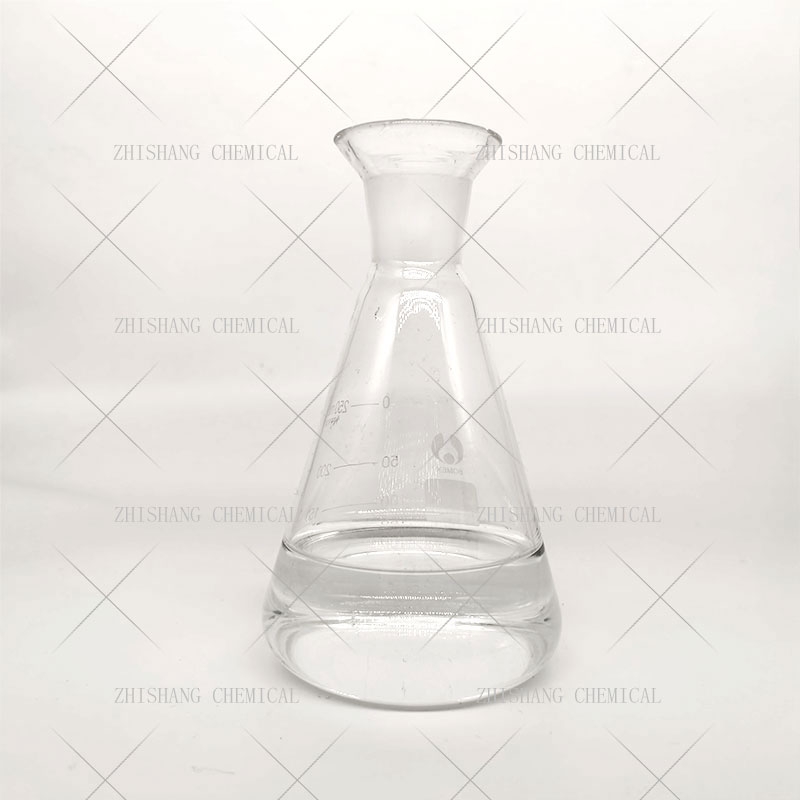
1, 2-dimethoxy-ethane, as a versatile organic solvent, has a wide range of applications in chemical, industrial and energy fields due to its unique properties. However, awareness and management of its potential toxicity and flammability are key to ensuring its safe and effective use. By adopting appropriate preventive measures and management strategies, we can harness the full potential of this compound while reducing the risks associated with it. 1, 2-dimethoxy-ethane, an organic compound widely used in the field of chemistry, plays an important role in several industrial and scientific fields due to its unique properties. This colorless liquid is known for its non-polar solvent properties, chemical reactivity, and compatibility with other substances, thus finding its unique applications in a number of fields such as organic synthesis, battery technology, analytical chemistry, and specialty chemical production. In organic synthesis, 1, 2-dimethoxy-ethane is widely used as a reaction medium, especially in promoting the formation of alkali metal-hydrocarbon admixtures, such as Grignard reagents and organolith compounds. The special feature of this solvent is its ability to stabilize the reaction intermediates, thus playing a key role in the Reformatsky reaction and other complex organic synthesis, providing chemists with a powerful tool for building complex molecules. In the field of battery technology, 1, 2-dimethoxy-ethane is favored for its excellent solvation properties and compatibility with electrochemical systems. In the production of lithium-ion batteries and other advanced battery systems, it can help dissolve and disperse key electrode materials, thereby improving battery performance and service life, ensuring battery reliability and stability in a variety of applications. In analytical chemistry, 1, 2-dimethoxy-ethane is used as a solvent for high performance liquid chromatography (LC) and other analytical techniques. Due to its ability to dissolve a wide range of organic compounds, it has shown great value in the separation, extraction and purification of complex mixtures, and is a common reagent for various chemical analysis and purification operations in the laboratory. In addition, 1, 2-dimethoxy-ethane is used as an intermediate in the production of other specialty chemicals. Through different chemical transformations, it can be converted into various ethers, esters and other organic compounds, which are widely used in pharmaceutical, agrochemical and materials science fields, providing a rich chemical basis for the development of innovative products. However, it is worth noting that 1, 2-dimethoxy-ethane has certain toxicity and flammability, so proper precautions must be taken during use. This includes ensuring that the working environment is well ventilated, the use of personal protective equipment, and strict adherence to guidelines for storage and handling. These safety measures ensure that potential health and safety risks are avoided while taking full advantage of its chemical properties. As a multifunctional organic solvent and chemical intermediate, 1, 2-dimethoxy-ethane is widely used in many fields, which reflects its important position in modern chemical industry. With the deepening of scientific research and the continuous development of technology, it is expected that the use of 1, 2-dimethoxy-ethane will be further expanded, bringing more scientific and technological well-being to human society.

Product List

Price

Request for quotation , get quotes from more suppliers.

Liquid chromatography is one of the most important methods for trace analysis of material components. The two phases in chromatographic analysis refer to a stationary phase with a large specific surface area and a mobile phase carrying the mixture to be separated through the stationary phase. Liquid chromatography is used for the mobile phase. Liquid chromatography is also called "liquid chromatography". A method for chromatographic analysis. The mobile phase used is liquid. Because the liquid in the chromatography column is more resistant than the gas, in order to improve the analysis speed, the high-pressure infusion method is usually used, so it is also called "high-pressure liquid chromatography". According to the different stationary phases, it can be divided into liquid-solid chromatography and liquid-liquid chromatography; according to the type of equilibrium that occurs between the stationary phase and the mobile phase, it can be divided into adsorption chromatography, partition chromatography, ion exchange chromatography, and gel chromatography. Used for separation and analysis of organic matter, inorganic matter and polymer liquid.

Source Liquid Chromatography Raw Materials by Region

Frequently Asked Questions

What is Liquid Chromatography and how does it work?

Liquid Chromatography (LC) is an analytical technique used to separate, identify, and quantify components in a liquid mixture. It works by passing a sample through a column packed with a stationary phase while a mobile phase (liquid solvent) carries the sample components at different rates based on their chemical affinity to the stationary phase. This differential migration allows for precise separation and analysis of complex mixtures, commonly used in pharmaceuticals, environmental testing, and biochemistry.

What are the main types of Liquid Chromatography?

The main types of Liquid Chromatography include:1. High-Performance Liquid Chromatography (HPLC), known for high resolution and speed.2. Ultra-High-Performance Liquid Chromatography (UHPLC), offering even greater efficiency and sensitivity than HPLC.3. Ion Exchange Chromatography, used for separating ions and polar molecules.4. Size Exclusion Chromatography (SEC), which separates molecules by size.5. Affinity Chromatography, often used in protein purification.Each type serves specific analytical needs depending on the sample and desired outcome.

Why is Liquid Chromatography important in pharmaceutical analysis?

Liquid Chromatography is critical in pharmaceutical analysis because it ensures the purity, potency, and safety of drug substances and products. It is widely used for quality control of active pharmaceutical ingredients (APIs), impurity profiling, stability testing, and pharmacokinetic studies. Regulatory agencies like the FDA and EMA require validated LC methods for drug approval, making it an indispensable tool in compliance and R&D.

How to choose the right Liquid Chromatography system for your lab?

When selecting a Liquid Chromatography system, consider the following factors:1. Application requirements—whether you need HPLC, UHPLC, or specialized modes like ion chromatography.2. Sample throughput and automation needs.3. Detector compatibility (e.g., UV-Vis, MS, fluorescence).4. System robustness, ease of maintenance, and software usability.5. Vendor support, service availability, and compliance with regulatory standards (e.g., 21 CFR Part 11).Choosing the right system ensures accurate results, operational efficiency, and long-term reliability.

What are common challenges in Liquid Chromatography and how to troubleshoot them?

Common challenges in Liquid Chromatography include peak tailing, retention time drift, pressure fluctuations, and poor resolution. Troubleshooting steps involve:1. Checking column condition and replacing if degraded.2. Ensuring mobile phase purity and proper degassing.3. Verifying system leaks or blockages in tubing/fittings.4. Optimizing pH, temperature, or gradient conditions.5. Regularly calibrating detectors and pumps.Proactive maintenance and method validation significantly reduce these issues and improve data reproducibility.

Feedback & Suggestions
Send Message

Thank you for your feedback. If you require further assistance, please contact us by email at info@echemi.com or call us at +86-532-55729510.