




Biochemical Engineering
- • Amino Acids and Proteins (234)
- • Nucleic Acid Drugs (17)
- • Enzymes and Coenzymes Drugs (115)
- • Inhibitors (1101)
- • Biological Response Modifiers (15)
- • Fat Medicines (8)
- • Amino Acids and Derivatives (4221)
- • Saccharides (2388)
- • Biochemical Reagents (351)
- • Nucleoside Drugs (360)
- • Condensing Agent (40)
- • Polypeptide (774)
- • Biosynthetic Natural Products (108)
- • Plant Extracts (833)
- • Chinese Herbs (354)
- • Microbiology Reagents (11)
- • Protein Research (34)
- • Lipids (281)
- • Inflammation Mediators (128)
Related News


Microbiology Reagents
Microbiology Reagents
-

- / 99.00%
-

Pharmaceutical Grade / 99%
-

Food Grade / 99%
-

Feed Grade / 99%



Request for quotation , get quotes from more suppliers.
Peptones, casein
(91079-40-2)-

Industrial Grade / 99%
-

- / 99.00%
-

Pharmaceutical Grade / 99%
-

Food Grade / 99%



Request for quotation , get quotes from more suppliers.
Peptones, soybean
(91079-46-8)-

Food Grade / 99%
-

Reagent Grade / 95%
-

Pharmaceutical Grade / 98%
-

Industrial Grade / 99%



Request for quotation , get quotes from more suppliers.
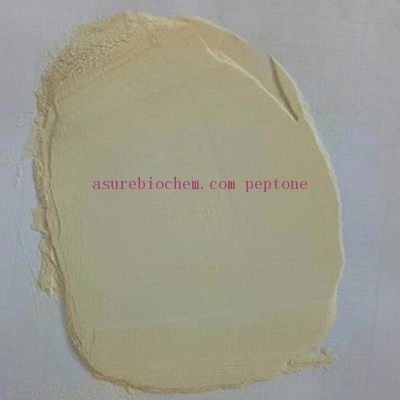
Peptones, gelatin
(91079-43-5)-

Pharmaceutical Grade / 98%
-

Reagent Grade / 95%
-

Industrial Grade / 99%
-



Request for quotation , get quotes from more suppliers.
Frequently Asked Questions
Microbiology reagents are specialized chemical or biological substances used in microbiological testing, research, and diagnostics. They support processes such as microbial culture, identification, enumeration, and antimicrobial susceptibility testing. Common applications include clinical diagnostics, pharmaceutical quality control, food safety testing, and environmental monitoring. These reagents may include culture media, stains, biochemical test kits, and molecular biology reagents tailored for microbial analysis.
Selecting high-quality microbiology reagents involves evaluating several key factors:1. Compliance with international standards (e.g., ISO, CLSI, USP).2. Consistency and batch-to-batch reproducibility.3. Clear documentation including certificates of analysis (CoA) and safety data sheets (SDS).4. Supplier reputation, including regulatory certifications like ISO 13485 or GMP.5. Shelf life and storage requirements that align with your lab’s workflow.Choosing reliable reagents ensures accurate, repeatable results and maintains the integrity of microbiological testing.
Clinical laboratories commonly use several types of microbiology reagents, including:1. Culture media (e.g., blood agar, MacConkey agar) for growing and isolating microorganisms.2. Gram staining reagents for bacterial classification.3. Biochemical identification kits (e.g., API strips, MALDI-TOF targets) for species-level identification.4. Antimicrobial susceptibility testing (AST) reagents like antibiotic discs or broth microdilution panels.5. Molecular reagents for PCR-based pathogen detection.These reagents are essential for diagnosing infections and guiding appropriate treatment.
Yes, microbiology reagents—especially those used in clinical diagnostics or regulated industries—must comply with specific regulatory standards. In the U.S., reagents classified as In Vitro Diagnostic (IVD) products are regulated by the FDA. In the EU, they fall under IVDR (In Vitro Diagnostic Regulation). For pharmaceutical or food testing, reagents should meet pharmacopeial standards (e.g., USP, EP) or ISO guidelines. Always verify that your supplier provides compliant, traceable products with proper labeling and documentation to ensure legal and operational compliance.
Proper storage is critical to preserve the performance of microbiology reagents. General guidelines include:1. Store dehydrated culture media in a cool, dry place (typically 2–25°C) away from light and moisture.2. Prepared media and liquid reagents often require refrigeration (2–8°C) unless otherwise specified.3. Avoid repeated freeze-thaw cycles for enzyme- or antibody-based reagents.4. Always follow the manufacturer’s instructions on expiration dates and handling.Maintaining correct storage conditions prevents degradation, contamination, and false test results.