




Organic Chemistry
- • Amides (2625)
- • Alcohols, Phenols, Phenol Alcohols (330)
- • Nitrogen Compounds (259)
- • Nitrile Compound (91)
- • Hydrazine or Hydroxylamine Derivatives (213)
- • Quinones (38)
- • Ethers and Derivatives (186)
- • Aldehydes (117)
- • Carboxylic Acids and Derivatives (794)
- • Hydrocarbons and Derivatives (2317)
- • Ketones (78)
- • Inorganic Acid Esters (172)
- • Heterocyclic Ring (351)
- • Organometallic Compounds (977)
- • Organosulfur Compounds (73)
- • Phosphines (726)
- • Organometalate (285)
- • Organic Fluorine Compound (2121)
- • Triazenes (18)
- • Semicarbazides (33)
- • Organoselenium Compounds (28)
- • Nitro Compounds (96)
- • Nitrates (15)
- • Lactones (240)
- • Imines (24)
- • Free Radicals (48)
- • Dioxins and Dioxin-like Compounds (31)
- • Cyanates (31)
- • Coordination Complexes (3059)
- • Boron Compounds (84)
- • Azides (66)
- • Arsenicals (56)
Related News
-
U.S. Imposes 12.5% Additional Tariff! Nutritional Ingredients Including Creatine, Taurine, and Glucosamine Included in New Section 301 Tariff List
2026-07-30 -
FDA Lifts Administrative Stay, Restoring Red No. 3 Ban Timeline for Food and Ingested Drugs
2026-08-07 -
Low Inventory and Reduced Supply Trigger Price Hikes for Acrylonitrile in the Off-Season in China
2026-08-08 -
Premium Global Chemical Sourcing Requests (20-22July, 2026)
2026-08-05 -
Cost Values and Demand-Side Game: PP Prices Consolidate After Rising in July
2026-08-02 -
China NMPA Issues Priority Review Pathway for Four Categories of Chemical Active Pharmaceutical Ingredients, Effective August 1, 2026
2026-07-31


Organoselenium Compounds
Organoselenium Compounds
-
selenide")
Industrial Grade / 99%
-
![buy 1-[2-(2-piperidin-1-ylethylselanyl)ethyl]piperidine]( "1-[2-(2-piperidin-1-ylethylselanyl)ethyl]piperidine")
-
selenide")
-
selenide")


Request for quotation , get quotes from more suppliers.
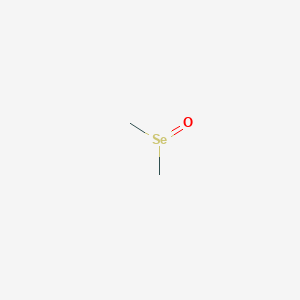
Dimethylselenoxide
(4371-90-8)-
methane")
Industrial Grade / 99%
-

-

-

Industrial Grade / 99%
Request for quotation , get quotes from more suppliers.
Frequently Asked Questions
Organoselenium compounds are organic molecules that contain carbon-selenium (C–Se) bonds. They play a significant role in pharmaceutical research, agrochemical development, and materials science due to their unique reactivity and biological activity. Some organoselenium compounds exhibit antioxidant, anti-inflammatory, and anticancer properties, making them valuable in drug discovery and medicinal chemistry.
Organoselenium compounds are widely used in several industrial and scientific fields:1. As intermediates in the synthesis of active pharmaceutical ingredients (APIs).2. In catalysis for organic transformations, such as oxidation and C–H functionalization.3. In the development of functional materials, including semiconductors and photoactive compounds.4. As nutritional supplements or research tools in biochemistry due to selenium’s essential biological role.
To ensure high quality and purity when procuring organoselenium compounds, consider the following:1. Choose suppliers with ISO or GMP certifications and documented quality control processes.2. Request analytical data such as NMR, HPLC, GC-MS, or elemental analysis reports.3. Verify stability and storage conditions, as some organoselenium compounds are sensitive to air or moisture.4. Evaluate the supplier’s technical support and batch-to-batch consistency track record.
While many organoselenium compounds are valuable in research and industry, some can be toxic or malodorous if mishandled. Safety depends on the specific compound, concentration, and exposure route. Always consult the Safety Data Sheet (SDS), use appropriate personal protective equipment (PPE), and work in a well-ventilated fume hood. Reputable suppliers provide detailed handling guidelines and stability information to support safe usage.
Selecting a reliable supplier involves evaluating several key criteria:1. Technical expertise and experience in synthesizing complex organoselenium molecules.2. Compliance with international regulatory standards (e.g., REACH, FDA, GMP).3. Ability to provide custom synthesis, scale-up services, and documentation.4. Transparent communication, consistent product quality, and on-time delivery performance.5. Positive client references or case studies in pharmaceutical or fine chemical sectors.