




Food Additives
- • Coating Agent (19)
- • Preservative (33)
- • Coloring Agent (40)
- • Gum Base Agent (25)
- • Anticaking Agent (7)
- • Food Antioxidants (41)
- • Enzyme (49)
- • Flour Treatment Agent (4)
- • Leavening Agent (1)
- • Bleach (3)
- • Other Food Additives (89)
- • Emulsifier (25)
- • Food Flavorings (30)
- • Water Retention Agent (1)
- • Acidity Regulators (7)
- • Sweeteners (36)
- • Stabilizer and Coagulants (4)
- • Defoamers (5)
- • Nutrition Supplements (171)
- • Thickener (30)
- • Odorants (29)
- • Colorant (16)
Related News
-
FDA Lifts Administrative Stay, Restoring Red No. 3 Ban Timeline for Food and Ingested Drugs
2026-08-07 -
U.S. Delays Mandatory GRAS Notification Proposal, Pushing Food-Additive Overhaul to Year-End
2026-07-21 -
Hi & Fi Asia-China concluded successfully, and ECHEMI gained a lot from participating in the exhibition!
2024-06-21 -
An organic acid with a natural sour taste and antiseptic properties - lactic acid
2024-06-04 -
Citric acid, a widely used food additive
2024-06-04 -
Chinese National Health Commission Unveiling Innovative Food Additions: Paraguayan Holly Leaves, Yeast Protein, and Catechins Hit the Shelves
2023-12-15



Other Food Additives
Other Food Additives
-
-1-Boc-3-hydroxypyrrolidine")
- / 99.00%
-
-1-Boc-3-hydroxypyrrolidine Good shipping packing China buy")
- / 99%
-

Pharmaceutical Grade / 99%
-
-3-pyrrolidinol")
Industrial Grade / 99.0%



Request for quotation , get quotes from more suppliers.
Tetradecylthioacetic acid
(2921-20-2)-

Industrial Grade, Feed Grade, Food Grade, Pharma Grade / 99%
-

-

-

Reagent Grade / 99%
$12-14/KG FOB


Request for quotation , get quotes from more suppliers.
Calcium caseinates
(9005-43-0)-

Food Grade / 95%
-

Food Grade / 99.9%
-

Food Grade / 99%
-

Food Grade / 99.99%


Request for quotation , get quotes from more suppliers.
-

Food Grade / 99%
-

Food Grade / 98%
-

Chemical Grade / 99%
$1/KG FOB
-

Reagent Grade / 99%
$20-22/KG FOB

Request for quotation , get quotes from more suppliers.
Chromium nicotinate
(64452-96-6)-

Food grade / 99%
-

Food Grade / 99%
$40/KG EXW
-
")
$1-1.2/KG FOB
-

- / 98%



Request for quotation , get quotes from more suppliers.
(6R,7R)-7-Amino-3-ethenyl-8-oxo-5-thia-1-azabicyclo[4.2.0]oct-2-ene-2-carboxylic acid
(79349-82-9)-
79349-82-9")
Food Grade / 99%
-
79349-82-9")
Food Grade / 99%
$50/ EXW
-

- / 99.00%
-
 CAS 79349-82-9 High Purity Factory Direct, Good Quality Low Price, Fast Delivery & Excellent After")
Pharmaceutical Grade / 99%


Request for quotation , get quotes from more suppliers.
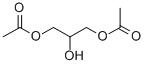
Glycerol diacetate
(25395-31-7)-

Food Grade / 99%
$1/KG FOB
-

-

- / 98%
-

USP / EP / BP / JP Grade / 99%


Request for quotation , get quotes from more suppliers.
D-Lactic acid
(10326-41-7)-
-lactic acid CAS 10326-41-7")
Food Grade / 99%
-
-Lactate")
- / 99.00%
-
-lactic acid human with Safe Delivery")
Industrial Grade / 99%
-
-Lactate")
Industrial Grade / 99.0%


Request for quotation , get quotes from more suppliers.
-

- / 99.00%
-

Pharmaceutical Grade / 99%
-

Industrial Grade / 99%
-

Industrial Grade / 99%



Request for quotation , get quotes from more suppliers.
-

- / 99.00%
-

-

Chemical Grade / 99%
-

Pharmaceutical Grade / 99.5%



Request for quotation , get quotes from more suppliers.
Frequently Asked Questions
Other Food Additives refer to a broad category of substances added to food to enhance flavor, appearance, texture, or shelf life, excluding common additives like preservatives, sweeteners, or colorants. These may include stabilizers, anti-caking agents, acidity regulators, and emulsifiers. They play a crucial role in modern food production by ensuring product consistency, safety, and consumer appeal.
Yes, most Other Food Additives approved for use in food are rigorously evaluated by regulatory bodies such as the FDA (U.S.), EFSA (Europe), or JECFA (FAO/WHO). These agencies assess scientific data on toxicity, usage levels, and potential allergens before granting approval. Always ensure additives comply with local food safety regulations and are used within permitted concentrations.
To select high-quality Other Food Additives, consider the following criteria:1. Verify supplier certifications such as ISO 22000, HACCP, or FSSC 22000.2. Request documentation including Certificates of Analysis (CoA) and compliance with regional food additive standards (e.g., EU E-numbers or FDA GRAS status).3. Evaluate purity, particle size, solubility, and batch-to-batch consistency.4. Partner with suppliers offering technical support and traceability throughout the supply chain.
Other Food Additives are widely used across various food sectors:1. In baked goods, anti-caking agents prevent clumping in powdered ingredients.2. Stabilizers like xanthan gum maintain texture in dairy alternatives and sauces.3. Acidity regulators (e.g., citric acid, sodium citrate) control pH in beverages and canned foods.4. Emulsifiers such as lecithin ensure uniform mixing in dressings and confectionery.These additives help meet consumer expectations for quality and convenience.
Whether an Other Food Additive can be labeled as 'natural' depends on its source and processing method, as defined by regional regulations. For example, the FDA does not formally define 'natural,' but generally allows it if no artificial or synthetic substances are added. In contrast, the EU has stricter guidelines under Regulation (EC) No 1333/2008. Always verify labeling claims with local regulatory requirements and provide transparent sourcing information to consumers.