




Catalyst and Auxiliary
- • Antioxidants (112)
- • UV Absorbers (93)
- • Polyethylene Glycol Derivatives (67)
- • Fluorescent Brightener (62)
- • Plastic Rubber Chemicals (91)
- • Polymer (472)
- • Precious Metal Catalysts (242)
- • Coupling Agent (8)
- • Zeolite (5)
- • Flame Retardants (11)
- • Petrochemical (28)
Related News
-
South Korea’s June Petrochemical Export Value Rises 18.8%, While Export Volume Falls 14.6%
2026-07-07 -
Driving Business, Innovation, and Growth: Saudi PPPP Returns to Riyadh this June
2026-04-08 -
An Explosion Has Occurred in the Jubail Industrial City, Putting 6–8% of Global Petrochemical Production Capacity at Risk
2026-04-07 -
Indonesia Forges a Green Future for Its Highly Dynamic Packaging & Automotive Industries
2026-02-24 -
Kazakhstan Launches $15 Billion Investment Plan to Accelerate Petrochemical Industry Development
2025-05-07 -
Iran Launches New Projects to Boost Downstream Petrochemical Industry
2025-03-05


Petrochemicals
Petrochemical
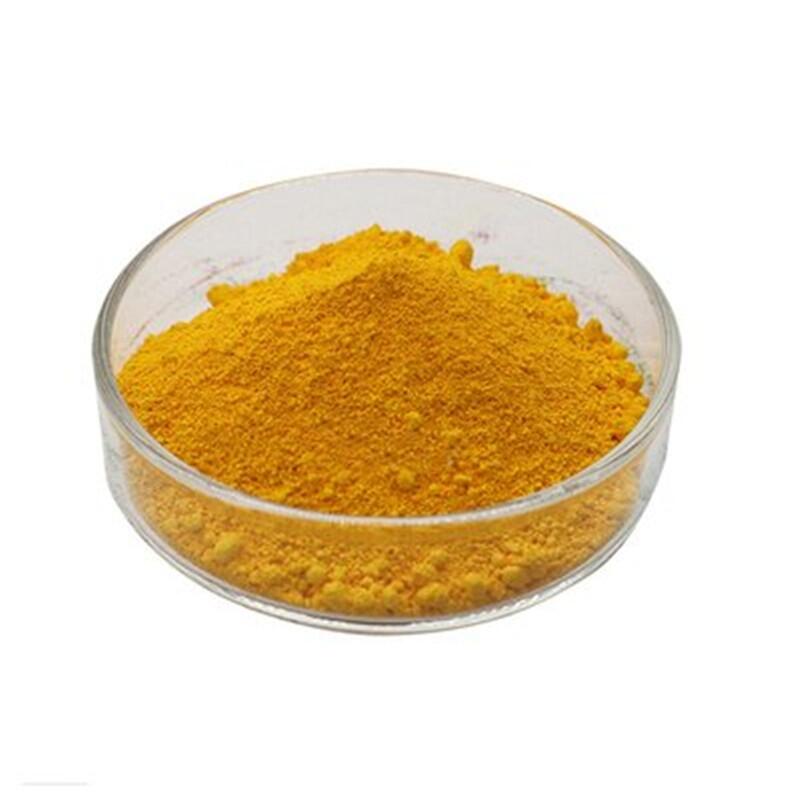
Tosylhydrazine
(1576-35-8)-

Industrial Grade / 99%
-

- / 99.00%
-

-

- / 98%



Request for quotation , get quotes from more suppliers.
Frequently Asked Questions
Petrochemicals are chemical products derived from petroleum or natural gas. They serve as the building blocks for a wide range of industrial and consumer goods, including plastics, synthetic rubber, solvents, detergents, fertilizers, and pharmaceuticals. The two main classes of petrochemicals are olefins (like ethylene and propylene) and aromatics (such as benzene, toluene, and xylene). Their versatility makes them essential in modern manufacturing and daily life.
Petroleum products—such as gasoline, diesel, and jet fuel—are primarily used as fuels and are obtained directly through crude oil refining. In contrast, petrochemicals are derived from refined petroleum or natural gas feedstocks and are used as raw materials to manufacture chemicals and materials like plastics, resins, and synthetic fibers. While both originate from crude oil, their end uses and processing methods differ significantly.
Petrochemicals are produced through a multi-step process that begins with the extraction of crude oil or natural gas. Key production stages include:1. Feedstock preparation (e.g., naphtha cracking or ethane extraction),2. Cracking processes (steam cracking or catalytic cracking) to break large hydrocarbons into smaller molecules,3. Purification and separation of base chemicals like ethylene, propylene, and BTX (benzene, toluene, xylene),4. Further synthesis into derivatives such as polyethylene, PVC, or polyester.This process requires advanced refining infrastructure and strict quality control to ensure product consistency.
Numerous industries depend on petrochemicals, including:• Plastics and packaging – for producing containers, films, and bottles,• Automotive – for synthetic rubber, lubricants, and lightweight composite materials,• Construction – for insulation, pipes, adhesives, and sealants,• Textiles – for polyester, nylon, and other synthetic fibers,• Agriculture – for pesticides, herbicides, and plastic mulch films.Their broad utility underscores the critical role of petrochemicals in global supply chains and economic activity.
Selecting a trustworthy petrochemical supplier involves evaluating several key criteria:1. Certifications and compliance with international standards (e.g., ISO 9001, REACH, OSHA),2. Consistent product quality and traceability of raw materials,3. Production capacity and ability to meet volume and delivery timelines,4. Technical support and regulatory documentation (e.g., SDS, CoA),5. Environmental and safety practices aligned with ESG principles.Partnering with an established supplier ensures reliability, regulatory compliance, and long-term cost efficiency.