




Catalyst and Auxiliary
- • Antioxidants (113)
- • UV Absorbers (93)
- • Polyethylene Glycol Derivatives (73)
- • Fluorescent Brightener (62)
- • Plastic Rubber Chemicals (94)
- • Polymer (475)
- • Precious Metal Catalysts (246)
- • Coupling Agent (8)
- • Zeolite (5)
- • Flame Retardants (12)
- • Petrochemical (28)
Related News


Zeolite Catalyst
Zeolite
-

-
ruthenium(II)hydrate RC05349")
$1/KG EXW
-
ruthenium(II) hydrate 99% see COA kanbei")
- / 99%
-
ruthenium(II) hydrate 99% transparent liquid KANBEI")
Industrial Grade / 99%


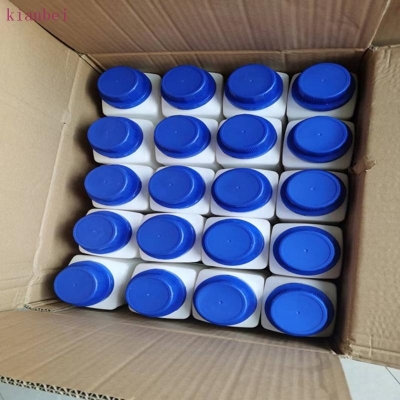
Request for quotation , get quotes from more suppliers.
Dowex 50W-X4
(11113-61-4)DOWEX(R) 50WX4 HYDROGEN is mainly used for adsorption separation of aromatic hydrocarbons and refining of paraffin. 10X molecular sieve can adsorb isoparaffins, aromatic hydrocarbons and naphthenes with diameter less than 9A. When used in the purification of crude liquid paraffin, it can preferentially select and s
-

-

Industrial Grade / 100%
-

-


Request for quotation , get quotes from more suppliers.
Frequently Asked Questions
Zeolite is a microporous, aluminosilicate mineral commonly used as a commercial adsorbent and catalyst. Its unique crystalline structure allows it to selectively trap molecules based on size and polarity. In industrial settings, zeolites are widely used in water softening, gas separation, petrochemical refining, and as catalysts in chemical synthesis. Their high thermal stability and ion-exchange capacity make them indispensable in sectors like oil & gas, agriculture, and environmental remediation.
Common types of zeolite include Zeolite A, Zeolite X, Zeolite Y, and natural variants like clinoptilolite. Zeolite A is primarily used in detergents and water softeners due to its strong ion-exchange properties. Zeolite X and Y are employed in petroleum cracking and gas purification processes. Natural zeolites such as clinoptilolite find use in agriculture as soil conditioners and in animal feed additives. Each type offers distinct pore sizes and chemical affinities, making selection critical for optimal performance.
When selecting a zeolite supplier, consider the following criteria:1. Product purity and consistency—ensure the supplier provides detailed specifications and batch testing reports.2. Certifications—look for ISO, REACH, or other relevant industry compliance.3. Customization capability—some applications require tailored particle size or modified surface chemistry.4. Logistics and scalability—verify the supplier can meet your volume and delivery schedule reliably.5. Technical support—reputable suppliers offer application guidance and troubleshooting assistance.
Synthetic and natural zeolites each have advantages depending on the application. Synthetic zeolites (e.g., Zeolite A, X, Y) offer higher purity, uniform pore structure, and consistent performance, making them ideal for demanding industrial processes like catalysis and gas separation. Natural zeolites (e.g., clinoptilolite, mordenite) are more cost-effective and eco-friendly, commonly used in agriculture, aquaculture, and wastewater treatment. The choice depends on required performance, budget, and regulatory considerations.
Zeolite is generally considered safe but requires proper handling to avoid health and operational risks. Use dust masks and eye protection when handling fine powders to prevent inhalation or irritation. Store in a dry, well-ventilated area to maintain adsorption efficiency, as moisture can reduce performance. Although non-toxic, some modified or metal-exchanged zeolites may pose specific hazards—always consult the Safety Data Sheet (SDS) from your supplier. Proper disposal should follow local environmental regulations, especially after use in contaminated applications.