What is Styrene and What Are Its Main Uses?
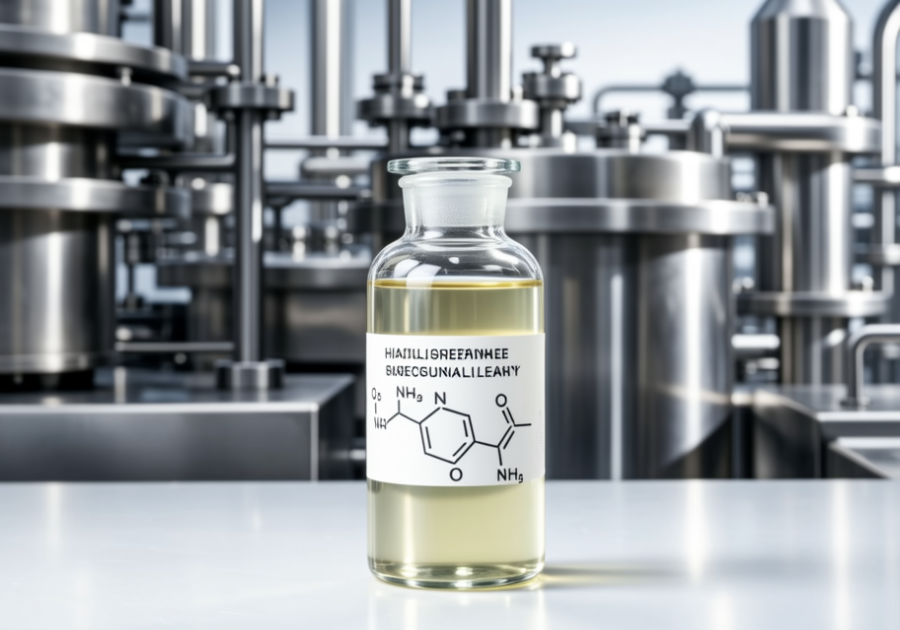
Styrene—sometimes called vinylbenzene—is one of those chemicals that quietly shapes the modern world. At room temperature, it’s a thin, mobile liquid, colorless to pale yellow, with a faintly sweet odor you might notice near plastic manufacturing sites or freshly printed 3D parts. Chemically, it’s elegant in its simplicity: a benzene ring hitched to a vinyl group (–CH=CH₂), giving it the formula C₈H₈. That double bond in the vinyl tail? That’s the key. It’s what lets styrene link up with itself—or other monomers—over and over again in long chains. In short: it polymerizes easily, and that’s why we use so much of it.
Left open to air, styrene doesn’t stay quiet for long. It slowly oxidizes and can start self-polymerizing, especially if exposed to heat or light. It won’t mix with water—you’ll need solvents like ethanol or acetone to dissolve it—but that’s rarely a problem in industrial settings, where its reactivity is more feature than flaw.
And boy, do we put it to work.
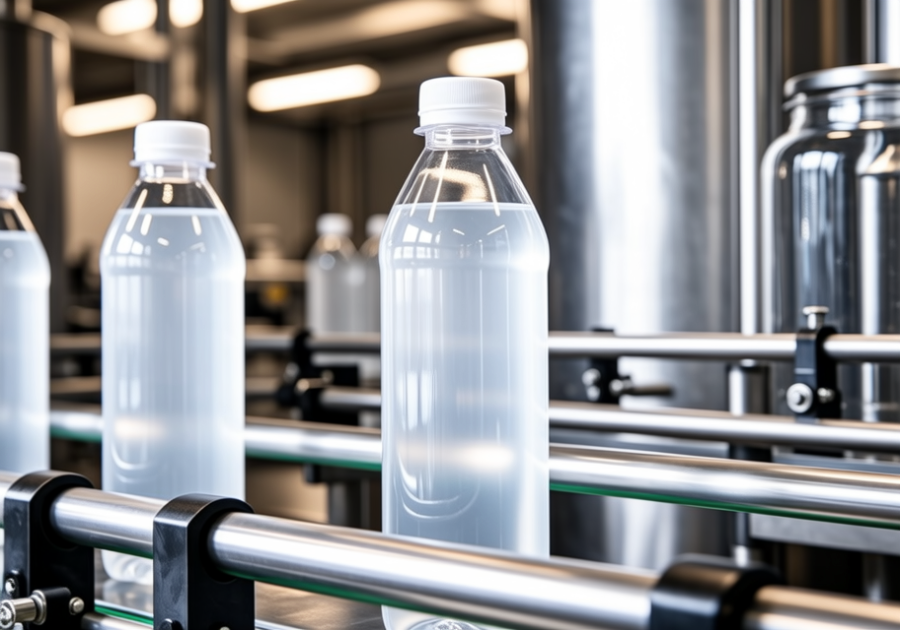
The most familiar form is polystyrene—the rigid, glassy plastic used in CD cases, disposable cutlery, and labware (that’s general-purpose PS). Add some rubbery polybutadiene, and you get high-impact polystyrene (HIPS), tough enough for refrigerator liners or toy bodies. Then there’s expandable polystyrene (EPS)—those white foam beads that puff up with steam to become coffee cups, packaging peanuts, or insulation panels in your walls.
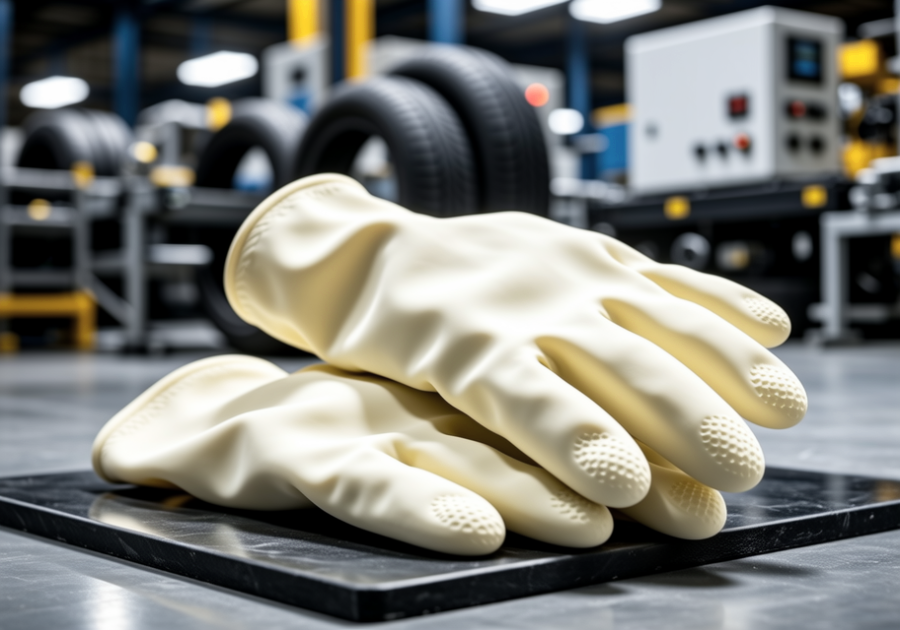
But styrene rarely works alone. Blend it with acrylonitrile and butadiene, and you get ABS plastic: strong, glossy, and heat-resistant—perfect for car dashboards, LEGO bricks, and 3D printer filament. Pair it just with butadiene, and you’ve got styrene-butadiene rubber (SBR), the synthetic workhorse behind most car tires, shoe soles, and industrial belts.
You’ll also find it in films, adhesives, pipes, and even fiberglass-reinforced resins for boats and bathtubs. It’s cheap, easy to process, and delivers good stiffness-to-weight performance. No wonder it’s everywhere.
But—and this is a big but—styrene isn’t harmless.
Inhale too much of its vapor, and your eyes sting, your throat burns, and you might feel dizzy or nauseated within minutes. Workers in poorly ventilated spaces sometimes describe a strange “floaty” headache that clears only after stepping outside. These are acute effects, usually reversible—but they’re warning signs.
Longer-term exposure, even at lower levels, raises more serious concerns. Regulatory agencies have flagged styrene as a possible occupational hazard, particularly for those handling it daily without proper controls. And it’s not just people at risk: spills can contaminate soil and water, and because it’s slow to break down in some environments, it can linger longer than we’d like.
Oh, and it’s flammable. Vapors can ignite easily, so storage and transfer require grounded equipment, vapor recovery, and strict no-spark zones.
None of this means styrene should be banned—it’s far too useful for that. But it does mean it demands respect. Proper ventilation, respirators when needed, leak detection, training, and emergency protocols aren’t optional extras; they’re the baseline for safe use.
So yes—your yogurt cup, your bike helmet, your insulated cooler? All likely owe something to styrene. But behind every molded part is a chain of decisions about how to handle this reactive little molecule wisely. Used well, it builds our world. Handled carelessly, it bites back.
Looking for chemical products? Let suppliers reach out to you!
You May Interested In


Glow70/KLOW80 99% China Peptides Warehouse Direct Delivery Lyophilized Powder in Stock
$169/UNIT FOB


2026-10-22
Trade Alert
Delivering the latest product trends and industry news straight to your inbox.
(We'll never share your email address with a third-party.)

Related News
-
Business Society October 22, 2026 Styrene Trend Analysis: Volatile Rebound
-
Business Society October 9, 2026 Styrene Trend Analysis: Uptrend Confirmed
-
Business Society September 23, 2026 Styrene Trend Analysis: Uptrend Confirmed
-
Business Society’s September 2, 2026 Styrene Market Outlook: Clearly Upward Trend
-
This Week Styrene Showed a Strong Increase (8.10-8.14)
-
Multiple Negative Factors Weigh on Styrene, Driving Prices Lower
-
This Week's Styrene Market Fluctuates and Declines (6.8-6.12) in China
-
This Week's Styrene Market Weakens and Declines (4.20-4.24)
-
This Week's Styrene Market Fluctuates and Declines (2.9-2.13) in China
-
This Week's Styrene Market Continues to Rise (1.26-1.30)
Recommend Reading
-
![Uses and Properties of 3-Methyl-1-Butanol]()
Uses and Properties of 3-Methyl-1-Butanol
-
![Key Reactions and Uses of Lithium Aluminum Hydride]()
Key Reactions and Uses of Lithium Aluminum Hydride
-
![Phosphoric Acid: Uses in Cola, Rust Removal, and Fertilizers Explained]()
Phosphoric Acid: Uses in Cola, Rust Removal, and Fertilizers Explained
-
![Silver Nitrate: Medical Uses, Photography History, and Staining Properties]()
Silver Nitrate: Medical Uses, Photography History, and Staining Properties
-
![Understanding Titanium Oxide: Properties and Uses]()
Understanding Titanium Oxide: Properties and Uses
-
![Ethanol Market Prices Remain Weak and Consolidate]()
Ethanol Market Prices Remain Weak and Consolidate
-
![Construction Starts Decline, Isocyanide Prices Surge After the Holiday]()
Construction Starts Decline, Isocyanide Prices Surge After the Holiday
-
![This Week, the Domestic Polymeric MDI Market Showed a Weak Decline (5.6-5.9)]()
This Week, the Domestic Polymeric MDI Market Showed a Weak Decline (5.6-5.9)
-
![This week, PET bottle chips surged and then fell back, with both spot and futures weakening]()
This week, PET bottle chips surged and then fell back, with both spot and futures weakening
-
![High-level Fluctuations, Weakening Momentum for Increase: May 2026 Natural Rubber Market Analysis in China]()
High-level Fluctuations, Weakening Momentum for Increase: May 2026 Natural Rubber Market Analysis in China