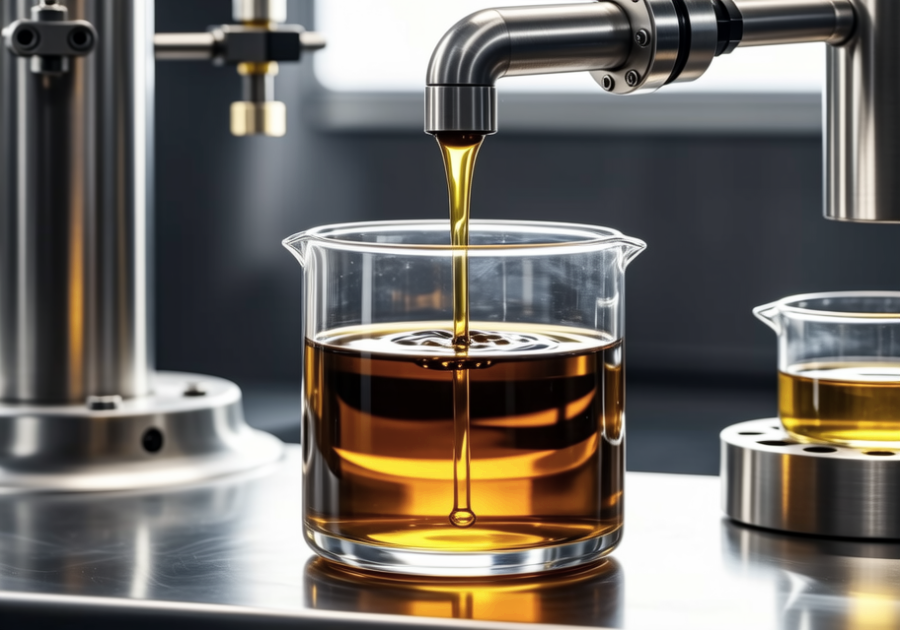
How to Make Orange Food Coloring | Detailed Explanation
Today, I would like to discuss a topic closely related to our daily lives, which is food coloring. Although it often appears on our dining tables, many people know very little about it. Orange brings a sense of joy, liveliness, enthusiasm, and health to people, stimulates their appetite, opens up their appetite, and allows them to easily feel the presence of happiness. How to make orange food coloring? Let’s explore together。
What is food coloring?
Firstly, we need to understand what food coloring is. Food coloring is a chemical substance used to add color to food, which can be natural or synthetic. It is a substance that endows and improves the color of food and belongs to the category of food additives. It plays a role in increasing attractiveness and enhancing taste in food.
At present, there are more than 60 commonly used food colorants in the world, which can be divided into two categories based on their sources and properties: natural colorants and synthetic food colorants. The primary source of natural food coloring agents is natural pigments, which may be broadly categorized into three groups based on where they originate from plant pigments like natural carotenoids and chili red, animal pigments like cochineal vermilion, and microorganisms like red yeast. Based on their chemical makeup, food synthetic colorants are classified into two categories: azo pigments, such as carmine and sunset yellow, and non-azo pigments, like vivid blue.
In addition to being used for coloring, food pigments are also frequently utilized in the food industry to enhance the texture and stability of food. It is essential to ice cream, candy, pastries, and sauces. Manufacturers may create a range of vibrant meals that grab consumers’ attention by using food coloring.
Furthermore, food coloring is widely used in a variety of other industries, including textiles, cosmetics, and medicine. They are utilized in the medical industry to make various tablets and capsules. They are used to manufacture lipstick, eye shadow, and other cosmetics. They may be used to dye textiles to create a variety of vibrant outfits.
Compared with synthetic pigments, natural pigments are safer, non-toxic, and have no side effects. Many natural pigments contain essential nutrients for the human body, or they are vitamins or substances with vitamin properties, such as β- Carotenoids. Some natural pigments have certain pharmacological effects and have preventive and therapeutic effects on certain diseases, such as rutin.
How to make orange food coloring?
The natural orange pigment can be extracted from carrots, chili powder, and sweet potatoes.
The powder method is the simplest way to make food coloring because powders are easily soluble and are concentrated, which means they have a stronger color. The first step is to cut the vegetables/fruits that need to be made into pigment powder into thin slices (the thinner the cut, the shorter the drying time). The second step is to dehydrate in a food dehydrator or a 100 ℃ oven until completely dry. You can also purchase finished dehydrated vegetables/freeze-dried fruits, so you can skip steps 1 and 2. Finally, place the dehydrated vegetables/fruit slices into a coffee grinder or blender, grind them into powder, and store them in a sealed container for up to one year.
The second method is the liquid concentration method. Liquids can be pure fruit juice, puree, and so on. You can use a juicer to extract the purest fruit juice, pour it into a pot, heat it over low heat, and reduce the juice to an appropriate thickness through evaporation. If using fruit puree is also possible, pour it into a pot, heat it over low heat, and evaporate. It should be noted that fruit puree may contain some solid substances that need to be filtered before use. In addition, it is necessary to heat it over low heat. Heating it slowly will make the color more stable, although it may take longer.
The yellow extracted from saffron comes from saffron glycoside. Turmeric is an essential ingredient in making curry. Its yellow color comes from curcumin.
Rouge tree orange is obtained by extracting and refining the outer seed coat of Rouge tree seeds through solvent or cold weak alkaline aqueous solution. The rouge tree, also known as redwood, mainly grows in Brazil, Ecuador, and other places. It has advantages such as natural sources and color stability.
Conclusion
In this article, how to make orange food coloring? There are many methods, and we mainly list the powder method and liquid concentration method. Rouge tree orange is extracted from the outer skin of the seeds of the Rouge tree, and orange and yellow pigments can also be extracted from carrots, sweet potatoes, saffron, and turmeric. Natural pigments are safer, and people should not feel scared at the sight of pigments. Some edible pigments also have certain health benefits, such as the polyphenols contained in turmeric which may have health benefits.
Looking for chemical products? Let suppliers reach out to you!
You May Interested In


Glow70/KLOW80 99% China Peptides Warehouse Direct Delivery Lyophilized Powder in Stock
$169/UNIT FOB


2026-10-13
Trade Alert
Delivering the latest product trends and industry news straight to your inbox.
(We'll never share your email address with a third-party.)

Related News
Recommend Reading
-
![Ascorbyl Palmitate: Properties, Uses, and Benefits]()
Ascorbyl Palmitate: Properties, Uses, and Benefits
-
![Business Society September 24, 2026 Polyester Staple Fiber Trend Analysis: Clear Downtrend]()
Business Society September 24, 2026 Polyester Staple Fiber Trend Analysis: Clear Downtrend
-
![Business Society September 24, 2026 Acrylonitrile Trend Analysis: Volatility]()
Business Society September 24, 2026 Acrylonitrile Trend Analysis: Volatility
-
![Geopolitical Risks in the Middle East Escalate: An Analysis of the Impact on the Acrylic Market]()
Geopolitical Risks in the Middle East Escalate: An Analysis of the Impact on the Acrylic Market
-
![Business Society September 28, 2026 Palm Oil Trend Analysis: Uptrend Confirmed]()
Business Society September 28, 2026 Palm Oil Trend Analysis: Uptrend Confirmed