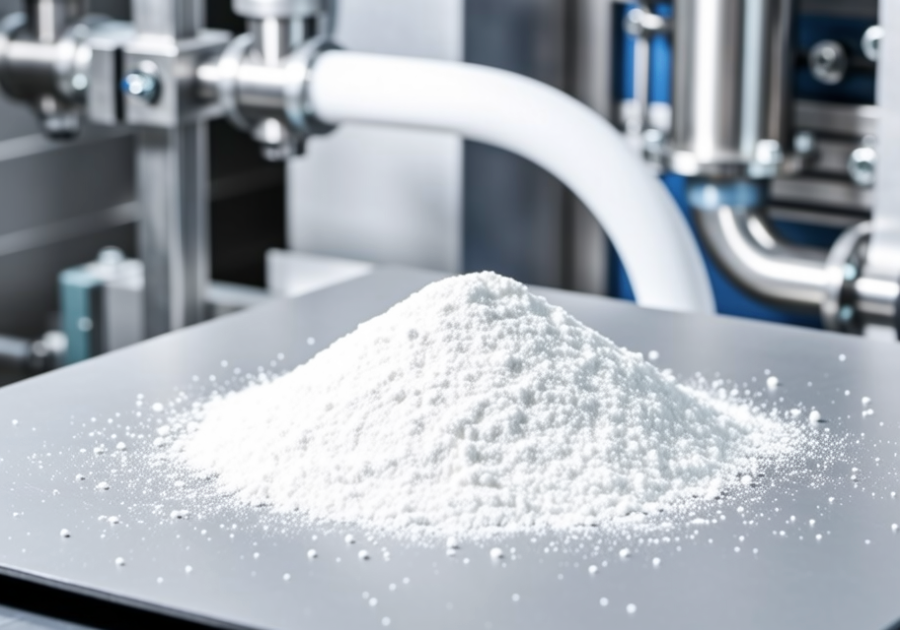
China's Food Exports to South Korea Face Multiple Violations in the First Half of 2024, Stricter Regulation Needed
In the first half of 2024, China's food and related products exported to South Korea have frequently encountered regulatory issues. According to data publicly released by the South Korean Ministry of Food and Drug Safety, from June 3 to June 23, 2024, a total of 7 violation cases were discovered in just 20 days, involving a wide range of products including food and food packaging.
The violations include excessive levels of nickel, polyurethane isocyanate, total chlorophyll, preservatives, bacterial contamination, and excessive total epoxy resin migration. These problems not only affect consumer health but also damage the trade relations between China and South Korea.
Experts suggest that the relevant Chinese authorities should further improve the export food supervision system, strengthen daily supervision and guidance for enterprises, and improve the qualification rate of exported foods. Meanwhile, the penalties for non-conforming products should be increased to effectively safeguard consumer rights and maintain the sound trade order between the two countries.
In 2024, China, as one of the world's largest food producers and exporters, has always been the focus of international attention on food quality and safety. Strengthening the supervision of exported foods and improving their quality and safety standards are not only responsible for consumers but also important for maintaining the image of China's food industry.
Furthermore, food safety is a global challenge that requires joint efforts and closer cooperation among all countries. China should continue to strengthen cooperation and exchange in the field of food safety with other countries, and jointly promote the improvement and development of the global food safety governance system.
In summary, the violation issues encountered by China's food exports to South Korea in the first half of 2024 have brought certain impacts on the trade relations between the two countries. However, as long as we face the problems squarely, actively respond, strengthen supervision and cooperation, we can surely overcome the difficulties, maintain the good trade relations between the two countries, and safeguard the health rights of consumers.

You May Interested In


Glow70/KLOW80 99% China Peptides Warehouse Direct Delivery Lyophilized Powder in Stock
$169/UNIT FOB


2026-10-14
Trade Alert
Delivering the latest product trends and industry news straight to your inbox.
(We'll never share your email address with a third-party.)

Related News
-
U.S. FDA Opens New Safety Review of RSV Treatments for Infants
-
The FDA Officially Blesses AI for Liver Drug Development
-
FDA’s Warning to Compounders Raises the Stakes for API and Excipient Suppliers
-
FDA Dye Tracker Raises Reformulation Pressure Across Food Brands
-
Japan Tightens the Rules—Then Loosens Them: A Surprising Shift in Food Additive Policy
-
The End of Hype: Europe’s Bio-stimulant Industry Faces a Science-First Reckoning by 2030
-
Brazil Expands Chemical Tax Breaks as India’s Crop Protection Industry Warns of a 25% Cost Increase
-
After Semaglutide Patent Expiry in India, the Price System Has Been Restructured as More Than 40 Drugmakers Enter the Competition
-
关于将4-amino-1-boc-piperidine、tert-buty 4-aminopiperidine-1-carboxylate产品列入《ECHEMI平台禁限售商品目录》的公告 Announcement on Including 4-amino-1-boc-piperidine and tert-buty 4-aminopiperidine-1-carboxylate in the Announcement on the List of Prohibited Sales of Prohibited and Controlled Items on ECHEMI
-
U.S. Congress Passes Bill Authorizing Tariffs of Up to 100% on Major Buyers of Russian Energy
Recommend Reading
-
![FDA Slows Two Natural Color Approvals, but the Additive Shift Is Still Moving]()
FDA Slows Two Natural Color Approvals, but the Additive Shift Is Still Moving
-
![U.S. Imposes 12.5% Additional Tariff! Nutritional Ingredients Including Creatine, Taurine, and Glucosamine Included in New Section 301 Tariff List]()
U.S. Imposes 12.5% Additional Tariff! Nutritional Ingredients Including Creatine, Taurine, and Glucosamine Included in New Section 301 Tariff List
-
![India’s Tariff Cuts Could Lower Agrochemical Costs]()
India’s Tariff Cuts Could Lower Agrochemical Costs
-
![China NMPA Issues Priority Review Pathway for Four Categories of Chemical Active Pharmaceutical Ingredients, Effective August 1, 2026]()
China NMPA Issues Priority Review Pathway for Four Categories of Chemical Active Pharmaceutical Ingredients, Effective August 1, 2026
-
![FDA Tightens the Solvent Side of Natural Color Production]()
FDA Tightens the Solvent Side of Natural Color Production
-
![Crude Oil Volatility Still Dominates; PTA Prices Overall Remain on a Downward Trend]()
Crude Oil Volatility Still Dominates; PTA Prices Overall Remain on a Downward Trend
-
![Premium Global Chemical Sourcing Requests (25-28Jun, 2026)]()
Premium Global Chemical Sourcing Requests (25-28Jun, 2026)
-
![This Week's Propylene Oxide Market Prices First Declined Then Rose (6.1-6.4) in China]()
This Week's Propylene Oxide Market Prices First Declined Then Rose (6.1-6.4) in China
-
![Methanol Market Trends Remain Strong]()
Methanol Market Trends Remain Strong
-
![In April, China's titanium dioxide market price increased by 23.6%]()
In April, China's titanium dioxide market price increased by 23.6%