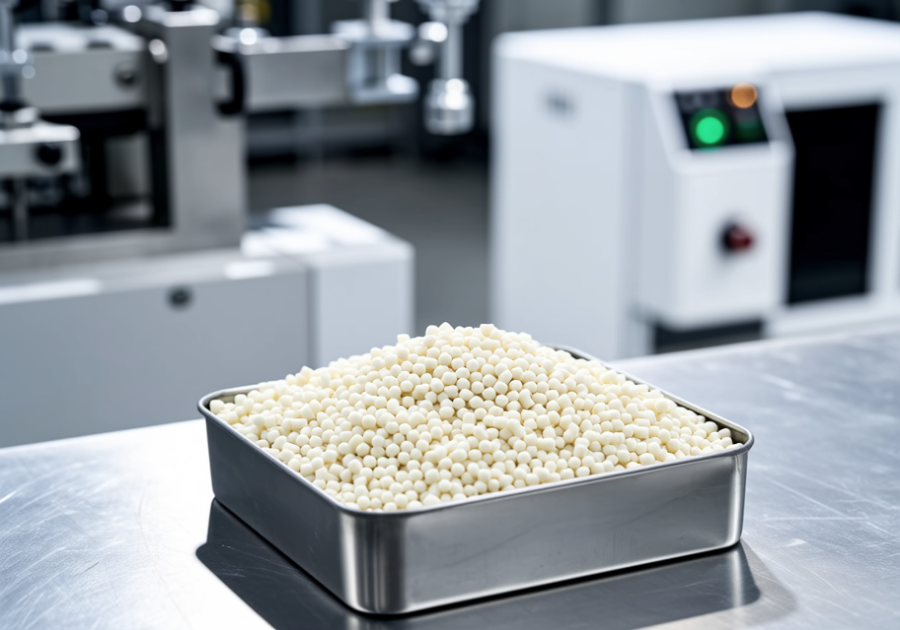
Aluminum Zirconium Tetrachlorohydrex Gly Deodorant: A Reliable Solution for Long-Lasting Freshness
Aluminum zirconium tetrachlorohydrex gly deodorant functions as one of the leading performance deodorants that provides lasting protection against sweat and odor. The advanced antiperspirant ingredient appears in deodorants to provide exceptional wetness control and lasting freshness for 24 hours. The combination of aluminum zirconium tetrachlorohydrex gly and other ingredients in products provides excellent dryness to heavy sweaters and light users.
What Is Aluminum Zirconium Tetrachlorohydrex Gly Deodorant?
The scientifically researched compound aluminum zirconium tetrachlorohydrex gly deodorant blocks sweat glands to minimize moisture through brief duct blocking. The active sweat-reducing ability of this ingredient surpasses typical deodorants since it prevents perspiration therefore maintaining dry underarm conditions.
The scientific formula of aluminum zirconium tetrachlorohydrex gly deodorant creates an antiperspirant gel inside sweat ducts to reduce sweating speed rather than stopping natural body cooling completely. People who need odor and sweat protection should consider using this product due to its effective abilities.
Is Aluminum Zirconium Tetrachlorohydrex Gly Deodorant Safe?
Shelves in both malls and high-end beauty stores display numerous deodorants that proudly display the aluminum-free label. The ubiquity of aluminum-free deodorants in the markets brings forth the question of aluminum content in all underarm antiperspirants. These products pose no danger to your physical health.
An aluminum allergy is the only medical condition that may require you to avoid aluminum-containing products. Susan, who works as a dermatologist at Ohio State University's Wiesner Medical Center emphasized "The scientific basis behind the claim linking aluminum in antiperspirants to cancer development does not exist."
It is worth noting that the aluminum salts used in mainstream antiperspirants on the market come in various forms, such as Aluminum Zirconium Tetrachlorohydrex Gly. This type of aluminum-zirconium complex reduces skin permeability through a macromolecular structure and is an internationally used safe antiperspirant ingredient.
The idea that aluminum-containing antiperspirants may be linked to cancer dates back to the beginning of this century when studies found that certain cells in a petri dish would suffer DNA damage when exposed to high concentrations of aluminum.
Some researchers have speculated that aluminum-containing deodorants used under the armpits may increase the risk of breast cancer in women, with the main "evidence" being that breast cancer lesions often appear in areas close to the armpits.
However, there is an obvious flaw in this logic: many substances can cause damage to isolated cells at high concentrations, but this does not mean that they are carcinogenic to humans.
For example, aluminum-zirconium salt complexes only act on the surface of sweat glands in the formula, and their molecular weight is much larger than that of ordinary aluminum salts, making it almost impossible to penetrate the skin barrier and enter the blood.
To clarify the controversy, scientists have conducted systematic studies on the toxicity of antiperspirants. In a 2014 paper published in Reviews in Toxicology, through his examination, Dr. Massick found no statistical connection between aluminum-based antiperspirants, including the aluminum-zirconium complexes, and breast cancer rates in female users versus non-users.
She further explained that aluminum salts reduce sweating by temporarily blocking sweat glands but do not penetrate the skin or enter the circulatory system. The mechanism of action of carcinogens usually relies on high-concentration toxicity absorbed into the blood, but topically applied aluminum-zirconium complexes have extremely low bioavailability and are unlikely to reach the carcinogenic threshold.
The Safety of Aluminum
Getting rid of aluminum from your body requires the complete removal of antiperspirants and additional substances that contain aluminum. The metal aluminum exists both in marijuana and tobacco substances, and it also appears in foil items and cooking appliances.
Researchers have found that the people who are actually at risk for aluminum-related cancers are workers in smelters and other factories that have high levels of aluminum-containing dust in the air. But that's not the same as putting a gel on your skin. The skin is a strong barrier to the outside world, keeping us safe.
Conclusion
Anyone who needs reliable protection from sweat and odor should consider aluminum zirconium tetrachlorohydrex gly deodorant, which provides an effective and trusted way to protect their underarms. This deodorant effectively controls sweat and odor because it prevents moisture while maintaining underarm freshness; thus, it serves as a suitable long-term deodorant option. The premium aluminum zirconium tetrachlorohydrex gly deodorants keep the underarms of users dry and comfortable while meeting all their needs from ordinary days through intense workouts and into formal events.
Looking for chemical products? Let suppliers reach out to you!
You May Interested In


2026-10-03
Trade Alert
Delivering the latest product trends and industry news straight to your inbox.
(We'll never share your email address with a third-party.)

Related News
Recommend Reading
-
![Bulls and Bears in a Tight Spot: ABS Rides Out High Levels at End of March]()
Bulls and Bears in a Tight Spot: ABS Rides Out High Levels at End of March
-
![Chinese Ammonium Sulfate Market Prices Show Mixed Trends (4.13-4.23)]()
Chinese Ammonium Sulfate Market Prices Show Mixed Trends (4.13-4.23)
-
![Both Cost and Demand Weighing Down PTA Prices, Leading to Volatile Declines]()
Both Cost and Demand Weighing Down PTA Prices, Leading to Volatile Declines
-
![Premium Global Chemical Sourcing Requests (21-24May, 2026)]()
Premium Global Chemical Sourcing Requests (21-24May, 2026)
-
![Brazil Expands Chemical Tax Breaks as India’s Crop Protection Industry Warns of a 25% Cost Increase]()
Brazil Expands Chemical Tax Breaks as India’s Crop Protection Industry Warns of a 25% Cost Increase