The conflict involving Iran and other powers in the Middle East has exposed the dependence of global agriculture on a small number of fertilizer-producing and shipping hubs. Disruption to Persian Gulf production, natural-gas supplies and traffic through the Strait of Hormuz temporarily affected an estimated 17% of global fertilizer supply and more than 30% of nitrogen fertilizer supply, pushing up prices and creating shortages during important planting periods.
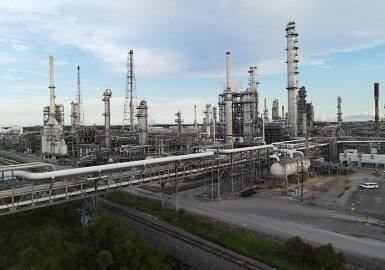
Nitrogen fertilizer is especially vulnerable because natural gas is both a feedstock and a major energy source for ammonia and urea production. When gas supplies are interrupted or prices rise sharply, fertilizer plants may reduce output even if they have not suffered physical damage. Shipping restrictions then compound the problem by preventing available cargoes from reaching import-dependent agricultural markets.
The Persian Gulf is central not only to nitrogen fertilizers, but also to sulfur and other inputs used in phosphate production. Damage to industrial facilities, restrictions on shipping and shortages of exportable sulfur can therefore affect several fertilizer categories at the same time. The crisis demonstrated that fertilizer supply is not divided into independent markets; natural gas, ammonia, urea, sulfur, phosphates and freight are tightly connected.
The consequences were particularly severe for countries such as India, Brazil and Australia, which depend heavily on imported fertilizer but must purchase large volumes within narrow seasonal windows. Farmers cannot always wait several months for prices to normalize. If fertilizer is unavailable or unaffordable at the beginning of a planting season, they may reduce application rates, switch crops or plant less land.
Lower-income markets face an even greater risk. Farmers across parts of Africa and Asia often have limited access to credit and fewer government support mechanisms. A temporary fertilizer-price shock can therefore lead directly to lower yields, reduced farm income and greater food insecurity. Reports from several Asian markets indicated that some farmers were already cutting planted area or reducing fertilizer use as input costs rose.
The conflict also showed why headline fertilizer capacity numbers can be misleading. A country may technically have enough global production available, but that capacity is of little help when shipping lanes are blocked, export restrictions are introduced or buyers cannot secure financing. Agricultural security depends not only on how much fertilizer the world can produce, but on whether it can be moved, financed and delivered at the right point in the crop calendar.
Governments are likely to respond by building strategic reserves, supporting domestic production and diversifying import sources. Those measures can reduce exposure, but they are expensive and cannot be implemented quickly. New nitrogen plants require large capital investment and reliable energy supplies, while low-carbon ammonia remains significantly more costly than conventional production in many markets.
The immediate crisis may ease as trade routes and production recover, but the underlying concentration remains. Another Gulf conflict, extended closure of the Strait of Hormuz or prolonged natural-gas disruption could quickly recreate the same pressure. The fertilizer market has recovered from previous shocks, but it has not removed the structural conditions that made those shocks dangerous.